How to grow hydrangea? A detailed guide to cultivation methods
Hydrangea, also known as hydrangea, is one of the easiest flowers to grow as a houseplant, and its abundant blooms are so lovely that many people are happy to keep a pot of hydrangea indoors. Below is an introduction to the cultivation methods for hydrangea.
I. Hydrangea cultivation methods
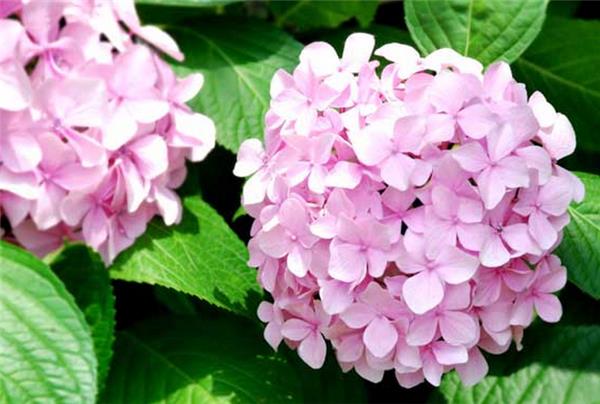
Hydrangea likes warmth and humidity, is not tolerant of drought, and also dislikes waterlogging; it likes semi-shaded environments, is not cold-hardy, and grows best in fertile, well-drained acidic soil. The pH of the soil has a very obvious effect on the flower color of hydrangea: when the soil is acidic, the flowers are blue; when the soil is alkaline, the flowers are red. Hydrangea is best grown in acidic soil (pH 4-4.5 is suitable). Hydrangea likes fertilizer; during the growing period, generally apply a dilute, well-rotted cake fertilizer solution once every 15 days. To maintain soil acidity, 1%-3% ferrous sulfate can be added to the fertilizer solution. Regular watering with alum fertilizer water can make the plant's branches lush and leaves green; adding 1-2 applications of potassium dihydrogen phosphate during the bud stage can make the flowers larger and more vividly colored; applying cake fertilizer should be avoided during the dog days to prevent pests and diseases and damage to the root system.
Hydrangea has large leaves and lush branches and leaves, and needs a relatively large amount of water. In the spring, summer, and autumn of the growing season, water thoroughly to keep the potting soil consistently moist. In summer, when the weather is hot and evaporation is high, in addition to watering thoroughly, also spray water on the leaves every day. The roots of hydrangea are fleshy roots, so watering must not be excessive, and standing water in the pot should be avoided, otherwise the roots will rot. After September, as the weather gradually turns cooler, gradually reduce the amount of watering. Before Frost's Descent, move it indoors, and the room temperature should be kept at around 4°C. Before bringing it indoors, remove the leaves to prevent leaf rot. In winter, the plant should be placed in a sunny spot indoors, and it is suitable to move it outdoors after Grain Rain the following year.
II. Propagation of hydrangea
Hydrangea cultivation method: division propagation
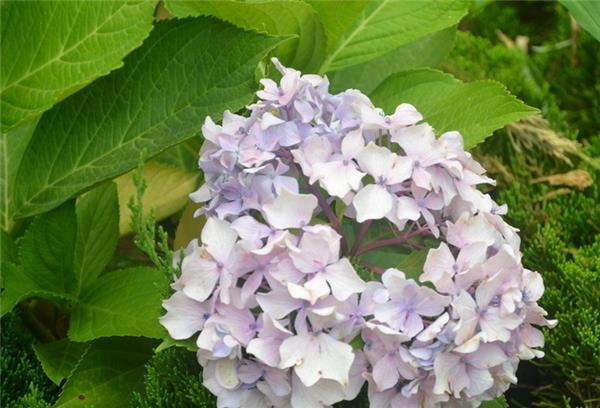
This is suitable in early spring when buds sprout. When dividing, first turn the mother plant out of the pot, shake off most of the old potting soil, expose the new buds, and separate the roots that are tangled together, damaging the roots as little as possible. Use a sharp knife to cut apart the part where the tiller shoots connect to the mother plant, and plant them separately.
Hydrangea cultivation method: layering propagation
This can be done in all four seasons. Choose healthy, semi-lignified branches, and use a knife to wound the phloem at the lower part near a node. Wrap the wounded part with moist moss, peat soil, or potting soil, then wrap the outside with plastic film and tie it tightly at the top and bottom. If the temperature is suitable, roots can form in about 1 month. Cut below the layered part, remove the plastic film, and pot it up.
Hydrangea cultivation method: cutting propagation
This is generally done in May to June, in combination with early spring pruning and post-bloom shaping. Choose tender, lignified, or semi-lignified branches free of pests and diseases, 10-15 cm long, keep 2-3 leaves at the top and cut off 1/3-1/2 of each, dip quickly in ABT rooting powder 250 mg/L talc slurry, then insert them into a seedbed with river sand, vermiculite, or perlite as the substrate, shade appropriately, keep the leaf surface moist, and roots begin to form in about half a month. After that, gradually reduce the frequency of misting, increase light, and they can be transplanted in about one month.
III. Uses of hydrangea
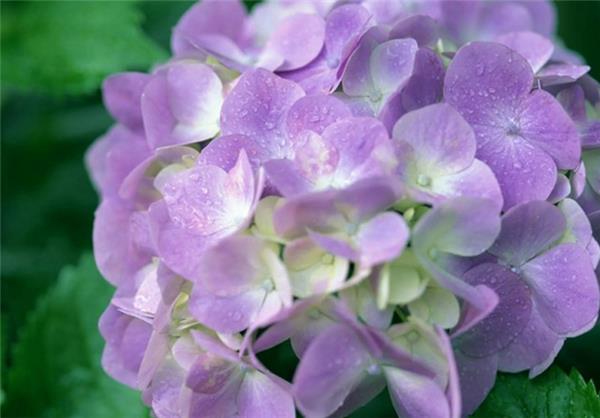
1. Ornamental. Hydrangea is a famous ornamental plant in the Yangtze River Basin. Its inflorescence is relatively large, and its flower color changes greatly: at first white, then yellow-green, gradually turning blue or pink. It is very attractive and is a rather special flower variety with high ornamental value.
2. Home decoration. Hydrangea has large flowers and beautiful colors, and a long flowering period. Planted in pairs at the main entrance of a home, in a row along a building, or in groups in a corner of the courtyard, the decorative and beautifying effect is ideal. In addition, two potted plants placed to decorate a windowsill, balcony, or living room are novel and unique, with a special charm, and play a big role in home beautification arrangements.
3. Medicinal use. Hydrangea can be enjoyed on its own, can also be potted to decorate the home, and can also be used medicinally. Hydrangea is bitter and slightly pungent, cold, and mildly toxic, and has the effect of treating malaria, scrotal eczema, throat ulcers, and various other diseases.
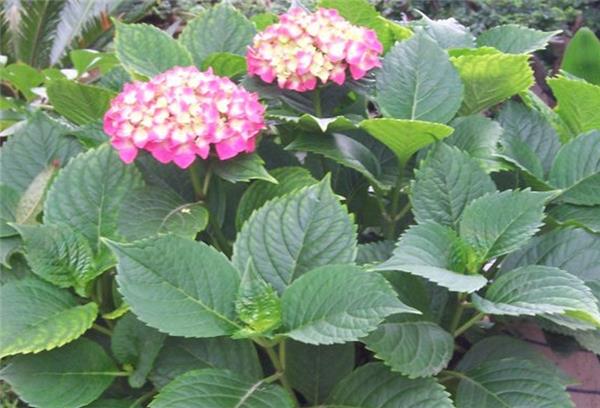
After careful pruning, hydrangea has large inflorescences, many flower colors, and a long flowering period. When in bloom it is very beautiful, and whether enjoyed on its own or used to decorate the home, the effect is good. If you like to place flowers and plants in your home, hydrangea is worth considering.