A Detailed Explanation of the Role of Aglaia odorata and Its Cultivation Precautions
Aglaia odorata is a very popular potted ornamental plant. Because its flowers are very miniature and have unique ornamental value, it is named Aglaia odorata. There are not many precautions to note when cultivating Aglaia odorata, but it still needs careful care.
I. Morphological Characteristics of Aglaia odorata
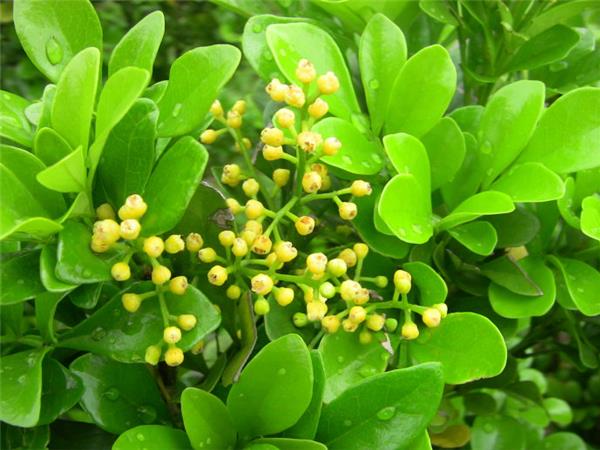
Aglaia odorata is an evergreen shrub or small tree, usually with many branches. The tips of young branches have star-shaped rust-colored scales, which later fall off. It has odd-pinnate compound leaves, alternate, with narrow wings on the leaf rachis, 3-5 leaflets, opposite, obovate to oblong, with a blunt apex, wedge-shaped base, hairless on both sides, entire margins, and obvious veins.
Aglaia odorata has axillary panicles. The flowers are yellow and extremely fragrant. The calyx has 5 lobes, with round lobes. The corolla has 5 petals, oblong or nearly round, longer than the calyx. The stamens have filaments united into a tube, shorter than the petals. The pistil ovary is ovate, densely covered with yellow coarse hairs. The berry is ovate or spherical, with star-shaped scales. The seeds have a fleshy aril.
II. Ecological Habits of Aglaia odorata
Aglaia odorata likes warm, humid, and sunny environments. It is not cold-tolerant and slightly shade-tolerant. The best soil is loose, fertile, slightly acidic soil, and the winter temperature should not be lower than 10°C. Under normal circumstances, with sufficient sunlight and higher temperatures (around 30°C), the flowers produced have a strong fragrance. Because Aglaia odorata blooms many times within a year, after each bloom it should be promptly given 2-3 applications of fully decomposed dilute liquid fertilizer, so that it can bloom continuously and have a rich fragrance.
III. The Role of Aglaia odorata
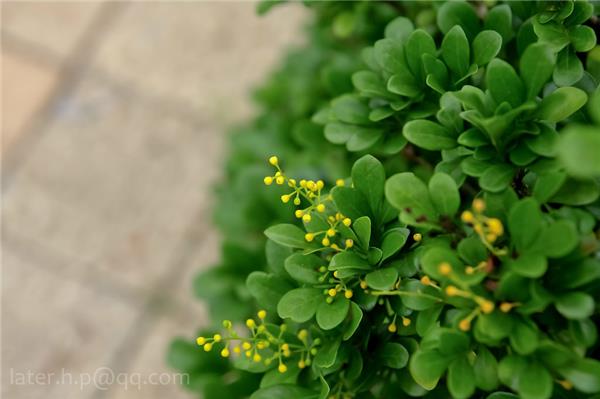
1. Beautifying the home: Aglaia odorata is a flower plant that people love. When it blooms, its fragrance is striking. Potted plants can be displayed in the living room, study, and porch, fresh and elegant, soothing to body and mind. In addition, in southern courtyards, Aglaia odorata is also an excellent landscape tree, playing a significant role in home beautification and arrangement.
2. Freshening the air: The leaves of Aglaia odorata are small and thin. Through photosynthesis, they release relatively more oxygen, which is beneficial for freshening indoor home air. However, it is not suitable to place too many, to avoid leaves that get no sunlight at night taking back oxygen to sustain life. Aglaia odorata is a relatively common flower plant, best planted on balconies, windowsills, and similar places. It can beautify the home without worrying that it will absorb too much indoor oxygen at night.
3. Edible use: Aglaia odorata is also an edible flower. Generally, it can be used to extract essence, and Aglaia odorata tea is also available on the market.
IV. Cultivation Methods for Aglaia odorata
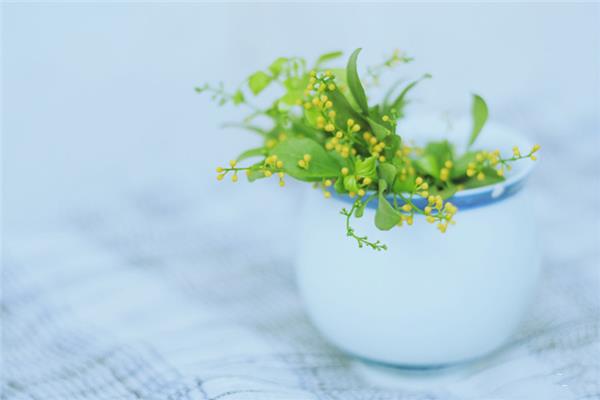
1. Aglaia odorata likes a warm climate, so it is generally recommended to grow it in a greenhouse. In summer, it can be placed outside, but attention should be paid to shading; appropriate shading is still acceptable. Generally, keep the temperature at around 25°C. During the hottest summer period, water appropriately to lower the temperature. In winter, it must not be lower than 10°C, otherwise it will suffer cold damage.
2. Aglaia odorata likes moisture, so it needs timely watering, especially during the growing period. However, remember that waterlogging must not occur, because too much watering can cause a series of problems such as yellowing leaves and root rot. Therefore, generally watering twice a day is sufficient, and in summer the leaves need to be appropriately sprinkled with water.
3. Aglaia odorata is not very demanding regarding fertilizer, but because it blooms many times in a year, this causes a shortage of nutrients, so after flowering it needs a timely application of a little fertilizer, not too much.
4. For soil, choose acidic soil. The humus material should mainly be leaf mold, or you can buy special fertilizer from the market.
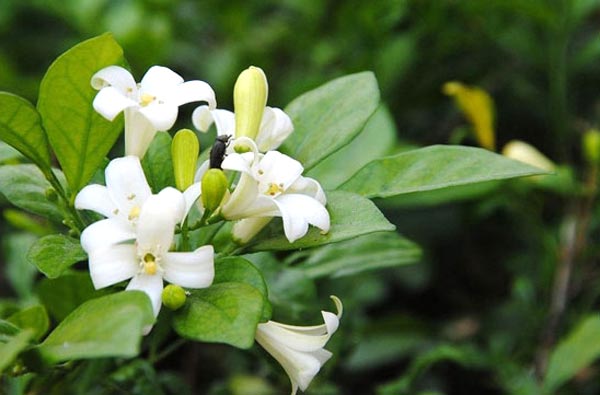
Aglaia odorata is a relatively common evergreen shrub. Because its flower shape is very attractive, its ornamental value is relatively high. If there are friends who like it, you may as well try growing a pot.