What are the daily care points for growing orchids?
Because the orchid is honored as the "gentleman among flowers," it truly has an otherworldly, ethereal quality like a gentleman, so growing it naturally requires extra care, attention and respect.
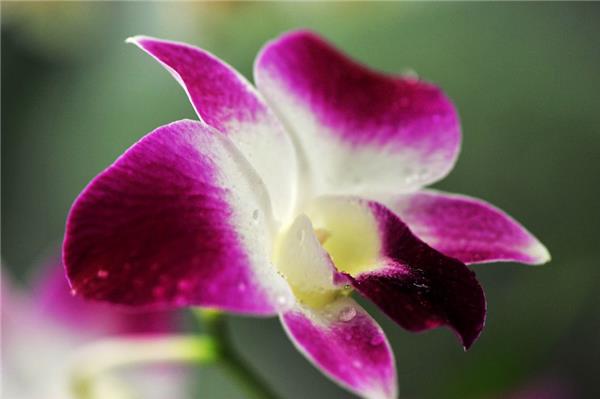
Soil selection: For planting orchids you can use black mountain soil, peat soil, garden soil, pine needle soil, moss, fern roots, bark chunks, etc. Cover the drainage hole at the bottom of the pot with a shard of tile, then spread a layer of broken brick and stone granules with a thickness of one quarter of the pot's depth to enhance aeration and drainage, and then spread a layer of growing medium. Hold the orchid upright and plant it, fill in the growing medium, and cover the pseudobulbs. The soil should be firmed down, and no soil should be filled within 2 cm of the pot rim, to make watering easier. After planting, water thoroughly and place in a cool, shaded spot. After half a month, move it to a sunny, well-ventilated environment for cultivation. To increase beauty and moisture retention, a layer of small white gravel can be spread on the pot surface.
Light: Orchids like quiet and secluded places, so when choosing a spot for growing orchids, try to choose a place that is not exposed to direct blazing sun. Orchids are generally placed outdoors in spring, summer and autumn, and indoors in winter. Outdoors, it is best to have open space on all sides and moist air. Indoors there should be plenty of light, preferably facing south. This is favorable for orchid growth. The orchid pot is best placed on a wooden stand or table, not on the ground. Most orchids are semi-shade plants, and most species fear direct sunlight, so appropriate shading is needed. In early to mid-April, orchids can receive more sunlight to promote their growth. After late April, appropriate shading is needed. For summer orchids and autumn orchids, varieties with upright leaves are best placed on the south side of a shaded area so they receive appropriately more sunlight; for autumn orchids and spring orchids with drooping leaves, two hours of light per day is best. From the beginning of June to September, shading should be started earlier each day; if reed blinds are used, dense blinds or two layers of sparse blinds can be used. After October, when the weather turns cooler and sunlight is weaker, shading can be delayed, but around noon shading work still needs attention.
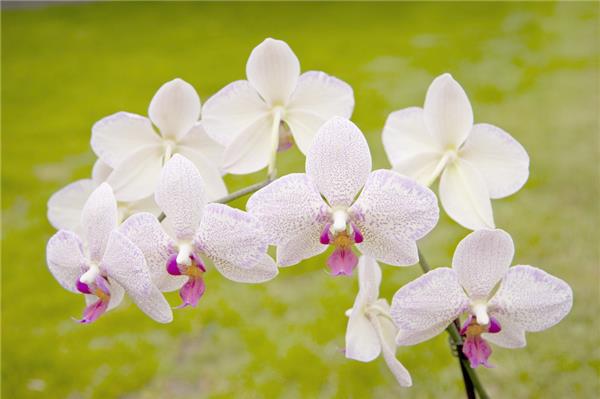
Water and fertilizer: Orchids can be exposed to light rain, but must be protected from moldy rain, showers or continuous rain. A flower proverb says: "Dry orchids, wet chrysanthemums," and this saying has some truth to it. Generally speaking, for orchids eight parts dry and two parts wet is best. Fertilizer should be dilute, not concentrated: during the growing period, apply once every half month with rotted bean cake water or horse hoof residue water. Adding an appropriate amount of monopotassium phosphate gives even better results. Do not fertilize in the heat of summer.
Repotting and pruning:
1. The repotting interval for orchids is generally two years. Repotting too frequently will affect orchid growth, while going too long without repotting means the nutrients in the pot are almost used up, and the orchid plants multiply, the root system becomes too dense, new roots have no room to spread, and dead, shriveled old roots remain in the pot and may spread disease.
2. For normally growing orchids, repotting can be done in all four seasons (except in severe heat or severe cold). Most orchids are repotted in spring and autumn. In spring it is usually from late February to late April, and in autumn late September to mid-November is suitable. But one thing must be done: two days before repotting, watering should be controlled to let the pot dry somewhat, which makes it easier to remove the plant from the pot and also prevents the orchid roots from breaking because they hold too much water.
3. Before repotting, the orchid's roots and leaves should be trimmed, because when the sun shines on orchid leaves water is lost, and water must be replenished from the roots. Therefore, when repotting, observe the ratio of orchid leaves to roots and make an appropriate trim, so that the loss and replenishment of water in the orchid tend toward balance and the orchid grows normally. Of course, the principle of trimming is to remove the bad parts and keep the good and useful parts. If all the roots below an old pseudobulb are cut off, then all the leaves above that old pseudobulb must be pulled off, so that the nutrients of the old pseudobulb transfer to the new shoots.
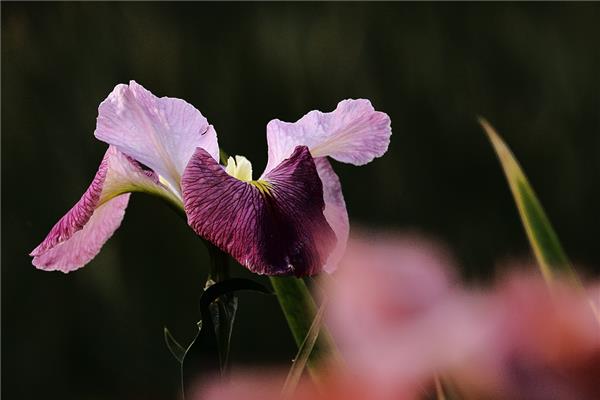
Pest and disease protection: Orchids are prone to scale insects, which can be sprayed with dichlorvos emulsifiable concentrate at 1000-fold dilution. When whiteflies cause damage, spray with deltamethrin at 2000-fold dilution to kill them. Orchid roots have a sweet taste and easily attract ants, which can be lured and killed with meat bones. Orchids are prone to anthracnose and black spot fungi. After disease occurs, promptly remove and burn diseased leaves, widen the spacing between pots and plants, and improve ventilation and light conditions. Reduce water spraying and control humidity. Also use carbendazim for prevention and control. Carry out sterilization treatment (exposing to the blazing sun is sufficient) to prevent disease occurrence.
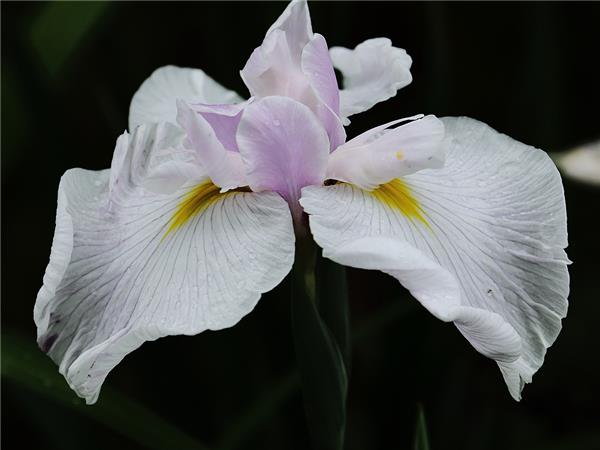
Generally speaking, the most important care points for growing orchids are those introduced above. Of course, because orchid varieties differ, various orchids also have slight differences, and in the process of planting, growers still need to be flexible.
Growers still need to be flexible.