Sesame Cultivation Precautions and Nutritional Value Explained
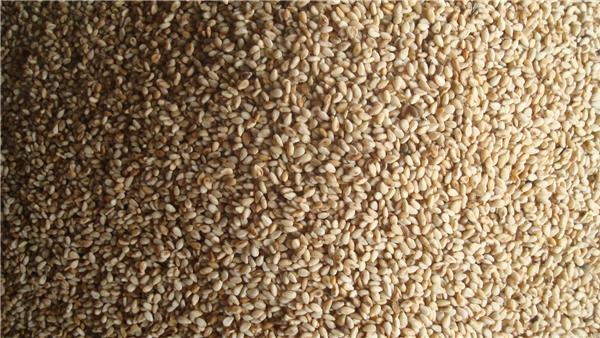
The main use of sesame is generally for "eating": white sesame can be used to make tahini, and black sesame can also be used to make sesame paste, and so on. So if you can grow sesame, it feels like it would be pretty great.
Introduction to Sesame Knowledge
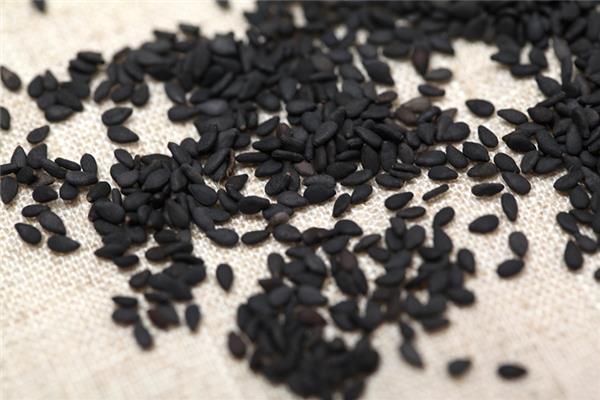
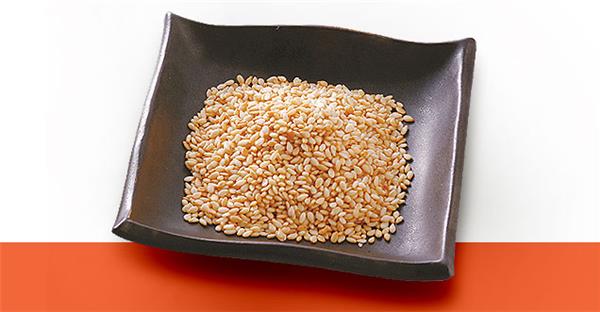
1. Sesame comes in black and white varieties. For eating, white sesame is preferred; for tonic and medicinal use, black sesame is better. Sesame can be eaten and also used as an oilseed. The ancient health expert Tao Hongjing evaluated it as "among the eight grains, only this one is excellent." In daily life, what people eat is mostly sesame products: tahini and sesame oil.
2. Other names for sesame: hu ma, zhi ma, wu ma, ju sheng, gou shi, you ma, jiao ma, xiao hu ma.
3. Sesame can be pressed to make sesame oil (ma oil), for eating or making pastries; the seeds after dehulling are called sesame kernels, mostly used as a supplementary ingredient in cooking;
4. Sesame kernels have a slightly hard membrane on the outside. Only by crushing it can the human body absorb the nutrients, so whole sesame seeds should be processed before eating.
5. When roasting sesame, never let it burn.
6. Culinary uses of sesame: as a cooking ingredient, such as filling for pastries, dough for snacks and baked cakes, and it can also be used as an ingredient for dishes.
7. Sesame is sweet in taste and neutral in nature, entering the liver, kidney, lung, and spleen meridians; it has the effects of nourishing blood and brightening the eyes, dispelling wind and moistening the intestines, promoting fluid production and promoting lactation, benefiting the liver and nourishing hair, strengthening the body, and resisting aging; it can be used to treat weakness, dizziness and tinnitus, high blood pressure, high blood lipids, cough, physical weakness, premature graying of hair, anemia with sallow complexion, insufficient body fluids, dry and bound stools, insufficient milk, blood in urine, and other conditions.
Sesame Cultivation Precautions
1. Planting method: Sesame can be grown as a sole crop or intercropped with other short-stalked crops. For example, it can be mixed or intercropped with sweet potato, peanut, soybean, and other crops. Generally, in sweet potato fields, one row of sesame is intercropped in every 1-2 furrows, or one row of sesame is intercropped every 2-4 rows of peanut. Sesame is relatively drought-tolerant, while legumes are relatively moisture-tolerant, so mixing sesame with legumes helps ensure a harvest in both drought and flood.
2. It cannot be grown in continuous cropping: that is, land that already grew one crop of sesame last year cannot be planted with it again the next year. Otherwise, high yield and high efficiency will not be achieved. There are mainly two reasons why sesame cannot be continuously cropped: One reason is that continuous cropping of sesame will aggravate diseases. The longer the continuous cropping, the more pathogens there will be in the soil, and the more serious the sesame diseases will become. Infected by diseases, sesame plants will show symptoms such as poor development, shorter individual plants, and few capsules due to flower drop, and in severe cases even large areas may wilt and die. The second reason is that sesame is a crop with relatively high fertilizer demand, and continuous cropping will lead to nutrient imbalance, break the soil fertility balance, cause nitrogen and potassium deficiency, and make it difficult to increase sesame yield. Therefore, continuous cropping of sesame is unscientific and should be avoided.
3. Land preparation and fertilization: Choose a field with high terrain and good drainage, carry out intensive and careful cultivation, and apply sufficient base fertilizer together with land preparation: apply 10 kg of urea and 50 kg of phosphorus-potassium fertilizer per 667 sq m. Level and harrow finely, then wait for sowing.
4. Sowing time: There are spring sowing and summer sowing periods. Spring sowing is around Grain Rain, and summer sowing is around Grain in Ear, mainly after wheat stubble and rapeseed stubble. When sowing, use a seed drill to evenly sow the sesame seeds onto the prepared seedbed surface. The sowing rate is 1 kg per mu.
5. Supplementary seedling fertilizer: After topping sesame, to prevent new branches from showing fertilizer deficiency, an appropriate amount of quick-acting fertilizer may be applied: when the new branches grow the second and third pairs of true leaves, spray 100-fold diluted mepiquat chloride or paclobutrazol to prevent later lodging and increase the number of effective capsules.
6. Waterlogging prevention and drought resistance: When planting, first open the bed furrows and surrounding ditches. Generally, the bed surface is 2-2.5 m wide, and the bed furrow is 0.3 m deep. The surrounding ditch is 0.4-0.5 m deep. When the seedlings grow 2-3 pairs of true leaves, thin the plants to a final stand, with a row spacing of 36 cm x 12-15 cm, and carry out one intertillage and weeding. When the seedlings are 33 cm tall, earth up the soil together with topdressing.
7. Harvesting and processing: Sesame is generally harvested after the aboveground stems and leaves mature in autumn, separated from the roots. Cut the black sesame close to the root and tie it into small bundles. After drying in the sun, thresh the black sesame, dry it in the sun, winnow out impurities, and it is then ready to be sold as a commodity.
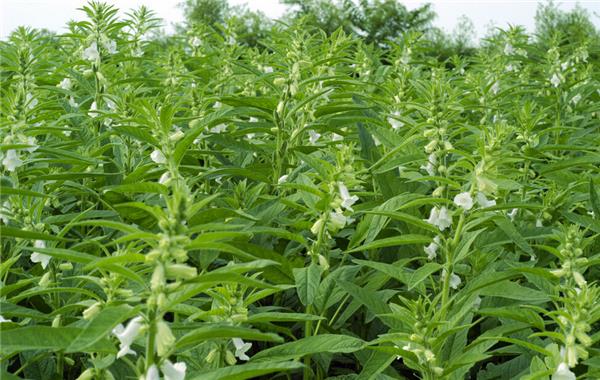
In addition to the above points, during the process of growing sesame, timely prevention and control of sesame pests and diseases must also be carried out, because this is a plant prone to infection by pests and diseases, so it is essential to follow the mutually complementary rhythm of giving priority to prevention and supplementing with treatment, so as to avoid the sesame you worked hard to cultivate being infected by pests and diseases.