Growing Tips and Eating Methods for White Sesame
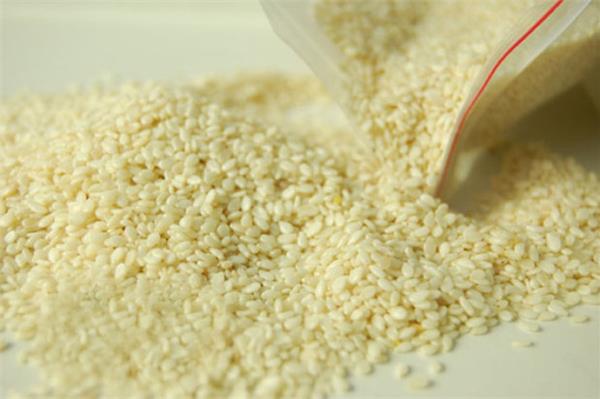
White sesame is mainly used to add color to dishes and enhance the value of the dish itself, but white sesame itself also has very high nutritional value, and it is especially suitable for postpartum mothers to eat.
I. Introduction to White Sesame
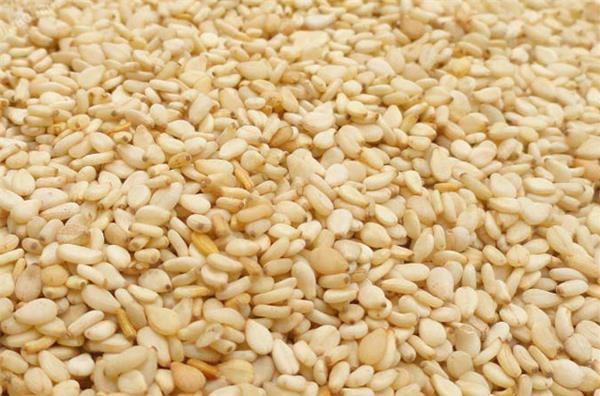
White sesame is the seed of the plant Sesamum indicum of the family Pedaliaceae. White sesame has excellent qualities such as high oil content, pure white color, plump seeds, thin seed coat, good taste, and a rich, mellow aftertaste. White sesame and its products are highly nutritious and anti-aging. It can enrich the blood and improve eyesight, dispel wind and moisten the intestines, promote fluid production and promote lactation, benefit the liver and nourish the hair, and resist aging.
II. Instructions for Making White Sesame
1. Egg White Sesame Crisp Cookies
Egg White Sesame Crisp Cookies
Ingredients: Main ingredients: 15 g cake flour, 40 g egg white. Auxiliary ingredients: 40 g white sesame. Seasonings: 20 g butter, 35 g white granulated sugar.
Method:
1. Beat the egg whites with a whisk, then add the sugar and mix well.
2. Add the cake flour and mix well.
3. Then add the white sesame and mix well.
4. Finally, drizzle in the melted butter and mix well.
5. Line a baking tray with a silicone mat, spread the batter into circles with the back of a spoon, and bake on the middle rack of the oven at 160°C for about 10 minutes (the time and heat should be determined first by your own oven, and second by the size of the batter circles).
6. After taking them out of the oven, while still hot, bend them using a tool such as a rolling pin.
III. Suitable and Unsuitable Consumption of White Sesame
Sesame is sweet in taste and neutral in nature, and enters the liver, kidney, lung, and spleen meridians.
It has the effects of enriching the blood and improving eyesight, dispelling wind and moistening the intestines, promoting fluid production and promoting lactation, benefiting the liver and nourishing the hair, strengthening the body, and resisting aging.
It can be used to treat weakness of the body, dizziness and tinnitus, high blood pressure, high blood lipids, cough, weakness of the body, premature graying of hair, anemia with sallow complexion, insufficient body fluids, dry and bound stool, insufficient milk, blood in the urine, and other conditions.
The general population can eat it.
1. Suitable for women with insufficient milk after childbirth; suitable for people with weakness of the body, anemia, hyperlipidemia, high blood pressure, senile asthma, pulmonary tuberculosis, as well as urticaria and habitual constipation; suitable for people with diabetes, thrombocytopenic purpura, chronic neuritis, peripheral nerve palsy, hemorrhoids, and hemorrhagic diathesis;
2. Those suffering from chronic enteritis or loose stools and diarrhea should avoid eating it; according to the experience of predecessors, men with impotence or nocturnal emission should avoid eating it.
IV. Cultivation Tips for White Sesame
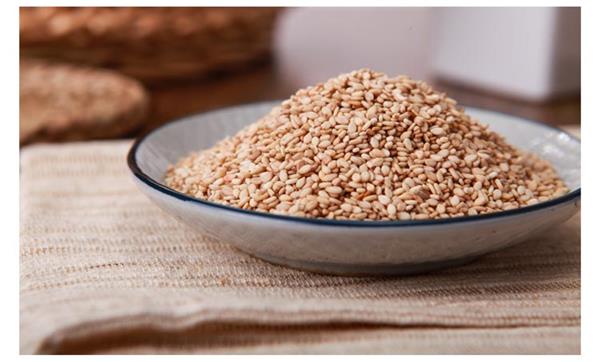
1. Seed selection: For the production of white sesame, good varieties with high yield and high quality, strong stress resistance, and pure white seeds should be selected, such as Yuzhi No. 4, Yuzhi No. 8, and Yuzhi No. 10. In order to overcome phenomena such as low yield and severe pests and diseases that occur in continuous sesame cropping, repeated experiments showed that on the same plot, planting Yuzhi No. 4 one year and Yuzhi No. 8 the next year increased yield by 11.6% and reduced the disease incidence rate by 14.6% compared with still planting Yuzhi No. 4, so vigorously promoting the rotation of good varieties between years should be advocated.
2. Timeliness: Sow early at the right time. Sesame sowing is right at the end of May to the beginning of June, which is exactly the critical period for rushing to harvest and thresh rapeseed and wheat. If the weather is bad, it will directly affect timely sowing. For this reason, one should clear and sow one plot at a time, and for soil with poor moisture, water before sowing to create adequate soil moisture, ensuring a full stand with one sowing.
3. Pests and diseases: White sesame has relatively many pests and diseases. For the prevention and control of white sesame pests and diseases, prevention should be the main approach, combining prevention and control.
4. Harvesting: Generally, the suitable harvest period is when the leaves of white sesame have basically fallen off, the capsules have turned from green to yellow, and the lower 2 to 3 capsules have split open. After harvesting, tie them into small bundles and dry them in the sun. After drying, beat each bundle, then dry them again in the sun, and then beat them once more.
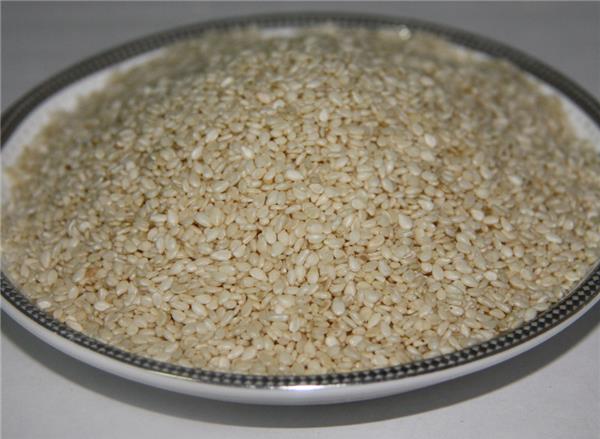
White sesame is often used as an auxiliary ingredient for various delicious dishes, such as sesame cakes, sesame paste, sesame spinach, and so on. Because of the unique taste and moist white color of white sesame, it can add a lot of color to various dishes. If you have a courtyard at home, you can try growing it.