How to Grow English Ivy? A Complete Guide to Care Tips and Value
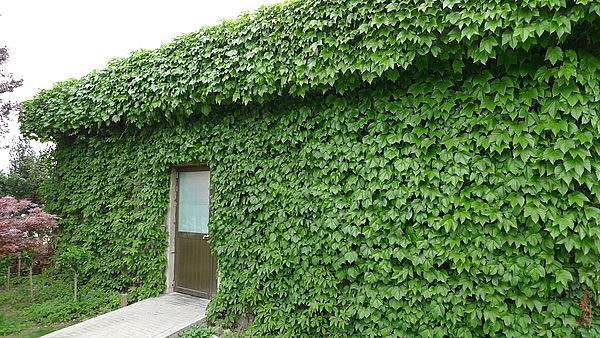
English ivy is a vine in the grape family with extremely vigorous climbing ability - even cliffs and steep rock faces cannot make it retreat, so it is also very easy to grow.
I. Morphological Characteristics of English Ivy
Evergreen climbing vine, with reddish-brown wood. Leaves alternate, leathery, often with creamy-white markings; leaves on vegetative shoots have 3-5 lobes, while leaves on fruiting shoots are ovate or rhombic with entire margins. The inflorescence is spherical, the flowers umbellate and yellow, blooming in autumn, with fruit ripening in May of the following year. There are more than 100 horticultural varieties. Common ones include Gold Edge, Silver Edge, White-Green, White Vein, Arrowleaf, Tricolor, and Gold Heart. Grown in the ground, it can provide vertical greening. Grown in pots, it can be displayed indoors. The stems and leaves are used as medicine, with effects of dispelling wind, draining dampness, calming the liver, and detoxicating; used to treat rheumatoid arthritis, hepatitis, and carbuncles and swellings.
II. How to Distinguish Ivy from English Ivy
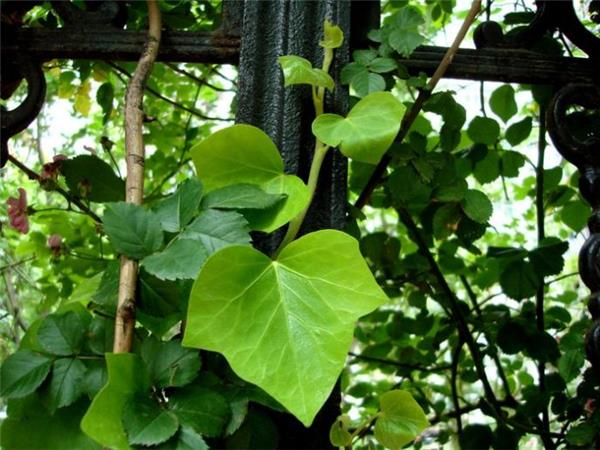
Both ivy and English ivy are evergreen climbing shrubs in the genus Hedera of the Araliaceae family. They look similar and are often confused. The differences between them are described below in terms of branches, leaves, and fruit.
Branches: The young branches of ivy bear scale-like down; the young branches of English ivy bear star-shaped down.
Leaves: The leaves on vegetative shoots of ivy are triangular-ovate, with entire or three-lobed margins, while leaves on flowering and fruiting shoots are elliptic-ovate or ovate-lanceolate; the leaves on vegetative shoots of English ivy are 3 to 5 shallowly lobed, while leaves on flowering and fruiting shoots are not lobed but ovate-rhombic.
Fruit: The fruit of ivy is about 1 cm in diameter and red or yellow when ripe; the fruit of English ivy is relatively smaller and black when ripe.
III. Care Tips for English Ivy
Growth habits: Native to Europe, it prefers warmth and humidity, tolerates shade and cold, does not tolerate intense summer heat and high temperatures, and fears direct sun exposure. It is not demanding about soil, preferring loose neutral and slightly acidic soil, and is relatively tolerant of mild alkalinity. It does not tolerate drought but tolerates waterlogged conditions.
Propagation: Mainly by cuttings. It can be done in spring, summer, and autumn. When taking cuttings, cut 20 cm stems, remove the lower leaves, insert 2-3 nodes into the substrate, keep moist, and they will root quickly. It can also be propagated by bending branches and layering.
Moderate watering: During the growing season, alternate between dry and moist conditions; overly wet potting soil can cause root rot and leaf drop. In winter, control watering; the potting soil only needs to be slightly moist. When the climate is dry, mist the leaves to keep the foliage tender green and glossy.
Suitable light: The optimal growing temperature is 20-25°C. It fears heat and does not tolerate cold. In summer, prevent direct strong light; in winter, the indoor temperature should remain above 10°C and must not fall below 5°C, otherwise the English ivy will be damaged by freezing. English ivy likes light; if kept in a bright indoor spot, the internodes will be shorter, the leaf shape consistent, and the leaf color vivid.
Reasonable fertilizing: For potted English ivy, use leaf mold or peat soil mixed with 1/5 river sand and a small amount of bone meal as the growing medium. During the growing season, apply a dilute cake fertilizer solution or compound flower fertilizer once every half month. Avoid applying too much nitrogen fertilizer alone, otherwise the markings on the leaf surface will fade or revert to green. The ratio of nitrogen, phosphorus, and potassium should preferably be 1:1:1. During peak growth, you can also spray the leaves 1-2 times with a 0.2% potassium dihydrogen phosphate solution, which can make the leaf color even more beautiful. However, when applying organic fertilizer, do not stain the leaf surface, otherwise it will cause the leaves to scorch.
Timely pruning: For potting, plant 2-3 plants; when they reach a certain height, pay attention to timely pinching to encourage more branching and leaf growth and form a full plant shape. Repot English ivy that has been grown for 2-3 years in early spring, then prune the plant accordingly.
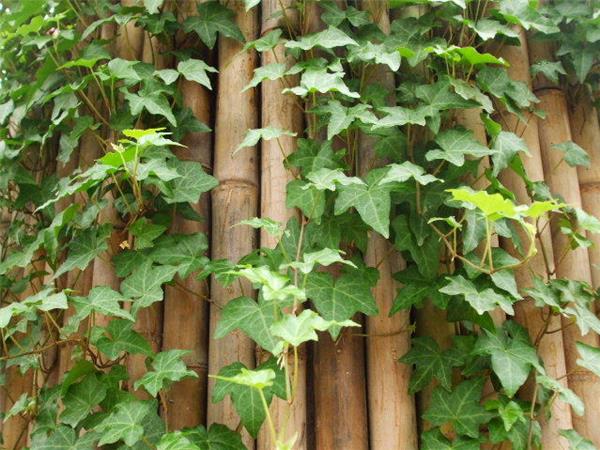
Although English ivy has a very challenging character, what it leaves to growers is not a daunting challenge but an especially easy growing method, so it can also be considered a kind of "lazy person's plant" that is itself not lazy at all.