Pest and Disease Control for Flowers: How to Effectively Prevent and Control Pests and Diseases
Learning how to prevent and control pests and diseases is essential for growing flowers, because once flowers are infected with pests or diseases, they will cause enormous damage to the plants.
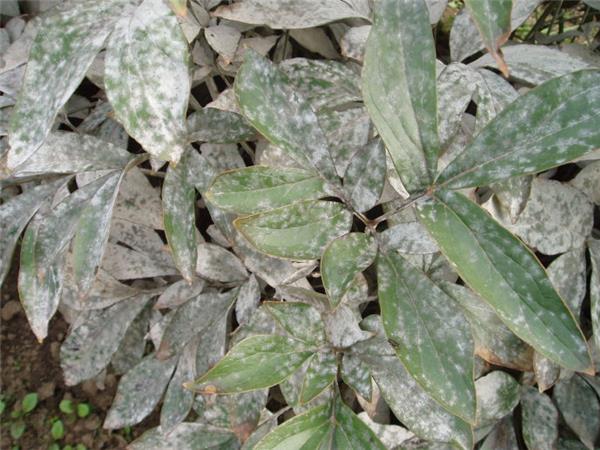
I. General Methods for Preventing and Controlling Flower Pests and Diseases
1. Keep the cultivation area for flowers clean and hygienic to reduce damage.
2. Protect the plants; do not let them break the skin or get damaged, and guard against the invasion of pathogens.
3. Pre-disinfect the growing medium to kill pathogens and pests.
4. Strengthen daily management: maintain proper water and fertilizer, good air circulation, suitable temperature, and appropriate light, so that the plants grow strong and the breeding and spread of pests and diseases are controlled.
5. For flowers that overwinter outdoors, spray or apply lime sulfur mixture after leaf fall, and spray 1-3 times of Bordeaux mixture in early spring and before the flower buds sprout, to prevent pests and diseases.
Damping-off: sown seedlings first show a scalded appearance near the soil surface, then become soft and fall over and die. Sprinkling plant ash on the surface of the potting soil or watering with amobam solution can sterilize and protect the seedlings.
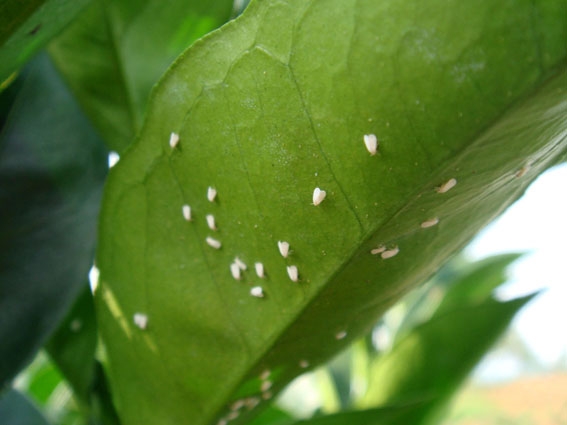
II. Safe Methods for Preventing and Controlling Flower and Tree Pests and Diseases
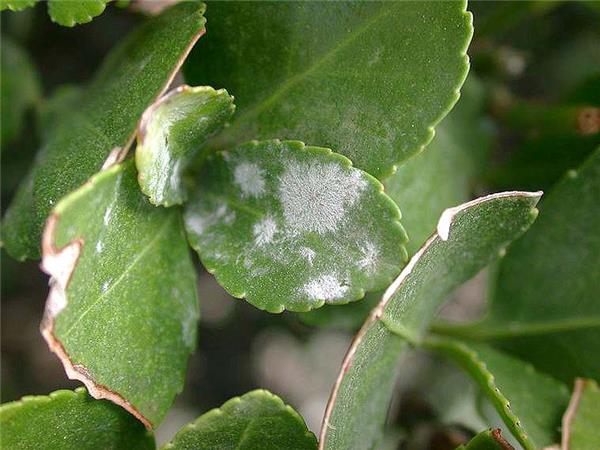
Spraying method: Soak 0.5 kg of plant ash in 2.5 kg of water for 24 hours, and spray the filtrate on flowers and trees to kill aphids on plum, rose, and pomegranate trees. Spraying a 0.1% baking soda solution on flowers and trees can prevent and control powdery mildew on rose, chrysanthemum, garden balsam, cotton rose, and cineraria, with a control rate of up to 80%.
Wiping method: Dip a cotton ball in vinegar and gently wipe it on camellia leaves; this can both kill the scale insects on them and make leaves previously damaged by scale insects turn green again. When rot appears on the branches and trunks of tree-stump bonsai, first scrape off the rotten part of the stump with a blade disinfected with iodine tincture, then apply iodine tincture to prevent it from continuing to rot.
Fertilization method: When fertilizing flowers and trees, mix in a small amount of silicon fertilizer. After the flowers and trees absorb it, the firmness of their epidermal cells can be increased, thereby enhancing their ability to resist pests.
Injection method: Woody flowers are often harmed by trunk-boring pests such as longhorn beetles, jewel beetles, and wood moths, and in severe cases the branches and trunks can be hollowed out by the pests. To control such pests, during the larval hatching period, the pre-emergence period of adults, and the larval overwintering period, inject 20-30 ml of 20% ammonia water into the insect holes, then seal the holes tightly with clay or wax to kill the larvae or eggs.
III. Current Control of Major Flower and Tree Pests and Diseases
1. Weevils
They mainly harm Paradise turfgrass, and also harm golden camellia, camellia, oil tea, tree of heaven, and Thousand-Head tree of heaven. They are active on and under the ground, most active in summer, and come to the ground surface to feed at night; affected plants appear brown. When the base of the seedlings is pulled up, it shows chewing damage, and iron-filing-like insect droppings are left at the feeding sites.
Control methods: (1) In the evening during the damage period, catch and kill the adults on the seedlings; (2) During the larval stage, in combination with soil preparation, broadcast 5% phoxim granules or 5% carbaryl powder, using about 8 grams per square meter mixed evenly with 30-50 times its amount of fine soil, and scatter it on the bed surface; it is best to turn it into the soil to kill the larvae, or after scattering the poisoned soil, irrigate once with an appropriate amount of water. (3) When there are many insects, during the adult damage period, spray 1500 times dilution of 50% phoxim emulsifiable concentrate on the seedlings and turfgrass with a fine mist to kill the adults.
2. Anthracnose
It harms rose, agave, sisal, Chinese fir, Aglaia odorata, hibiscus, gold-dusted aucuba, cockscomb, citrus, osmanthus, hydrangea, Michelia maudiae, palm, hosta, pomegranate, southern magnolia, ivy, Chinese tulip tree, redbud, wintersweet, peony, tulip, camphor, and others.
Control methods: Strengthen environmental hygiene and maintenance management, and avoid humidity and poor ventilation. In the early stage of the disease, according to different conditions and the different disease resistance of plants, cut off and burn the diseased leaves, then spray 1% Bordeaux mixture to protect them and prevent spread; you can also spray 500-700 times dilution of carbendazim, 1000 times dilution of 70% thiophanate-methyl wettable powder, or 500-700 times dilution of 50% anthracnose fumet wettable powder, generally once every 10 days or so, for 3-4 consecutive times, with remarkable control results.
3. Soft rot: Water-soaked spots appear on the leaf surface, petioles, and flower stems of herbaceous flowers, which wilt and droop. Spray Bordeaux mixture.
4. Sooty mold: Dark brown sooty smut appears on the leaf surface of perennial evergreen flowers, and later gradually expands to form a black soot-like mold layer. Spray Bordeaux mixture, or wipe off the sooty smut with 5% alcohol.
5. Brown spot: Brown sunken spots appear on the leaf surface of orchidaceous flowers, and the leaves dry and scorch. Pay attention to shading and increasing air humidity, and use an equal amount of Bordeaux mixture.
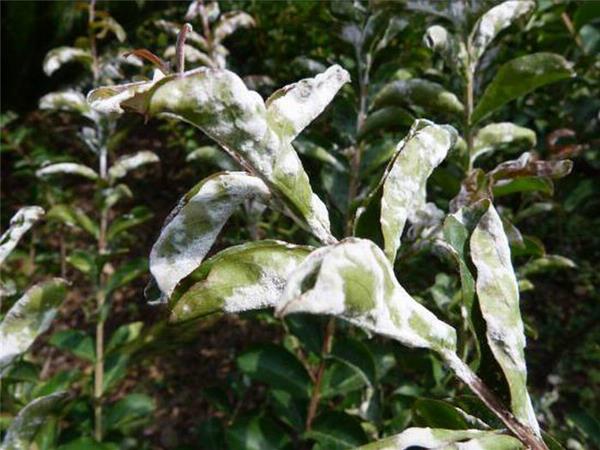
The prevention and control of pests and diseases can be regarded as the top priority in the daily care of flowers. In this respect, it is essential to prevent and control early, take preventive measures before trouble arises, and eliminate pests and diseases in time, so as to ensure the continued survival of the flowers.