What Are the Poisonous Plants? Teaching You to Identify Common Poisonous Plants
Living things in nature are as numerous as the stars, so it is nothing new that some plants are toxic. Some people say that poisonous plants cannot be kept at home, but in fact some poisonous plants have high ornamental value. When growing them at home, you just need to take preventive measures and guard against trouble before it happens.
Let's get to know some poisonous plants below.
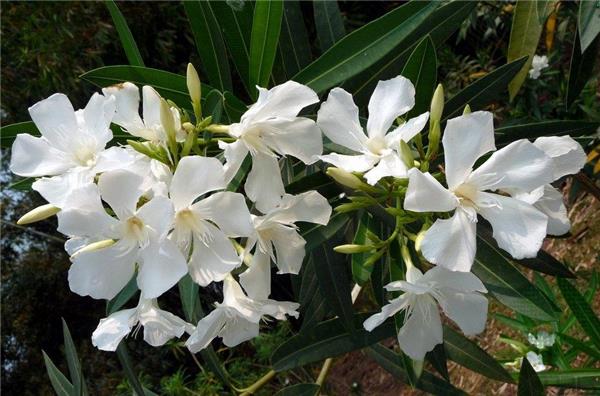
White Snakeroot: scientific name "Eupatorium rugosum". Drinking milk from cows that have eaten white snakeroot can cause fatal "milk sickness". Nancy Hanks, the mother of former US President Lincoln, died of this disease. White snakeroot is a perennial plant, and every part of it contains tremetol (also called "white snakeroot toxin"). This is an unsaturated alcohol that can cause muscle tremors in livestock and eventually kill them.
Foxglove: also known as digitalis, its leaves can be used commercially and are the raw material for the heart medicine "digitalis". If any part of it is eaten by mistake, symptoms will appear one after another: nausea, vomiting, abdominal cramps, diarrhea and mouth pain, and even abnormal heartbeat. Doctors will use methods such as gastric lavage to promote the elimination of the toxin, and stabilize the heart by giving medication.
Rhododendron: The leaves of rhododendron and the flowers of the rhododendron family are toxic, and even the nectar brewed from rhododendron pollen is toxic. Eating any one of them will make the mouth feel as if it is on fire, and the symptoms that may then appear include increasingly obvious salivation, nausea, vomiting and a prickling sensation on the skin. These are followed by headache, muscle weakness, blurred vision and so on. There may also be slow heartbeat and arrhythmia, and in severe cases the person may fall into a coma or experience fatal convulsions.
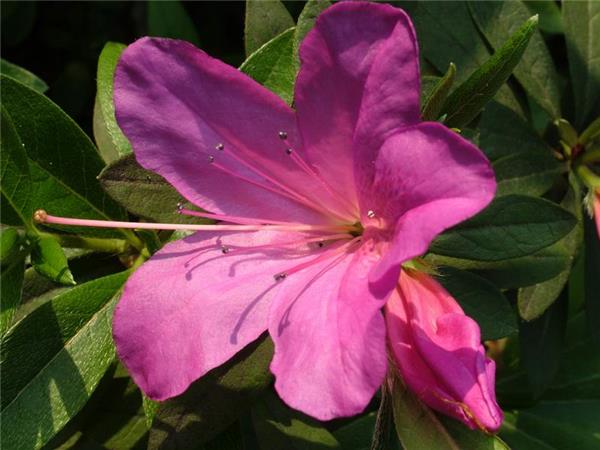
Monkshood: It produces purple flowers and usually lives in backyard gardens. They contain toxic aconite alkaloids, which can cause suffocation. Although "entertaining" guests with stewed monkshood is a joke, Stewart still strongly advises people to wear gloves when pruning this plant in the garden to avoid a poisoning tragedy.
Anthurium: also known as flamingo flower and red flamingo taro, its leaves and stems have a peculiar shape, and around the flower center is a spathe; all of them are toxic. Once eaten by mistake, the mouth will feel burning and painful, then it will swell and blister, the voice will become hoarse and strained, and swallowing will be difficult. Most symptoms will lessen over time until they disappear. If you want to relieve the pain, you can choose cool liquids, painkiller pills, or foods such as licorice and flaxseed.
Angel's Trumpet: scientific name "Brugmansia", it is the terrifying fellow in the plant kingdom most likely to turn people into zombies. This plant produces beautiful, drooping trumpet-shaped flowers, is native to South America, and contains a series of powerful toxins, atropine, hyoscyamine and scopolamine.
Mimosa: It contains mimosine in its body, and excessive contact can cause hair loss and sparse eyebrows in people.
Oleander: The branches, leaves and bark all contain oleandrin, and eating just a few grams of dry matter by mistake can cause poisoning.
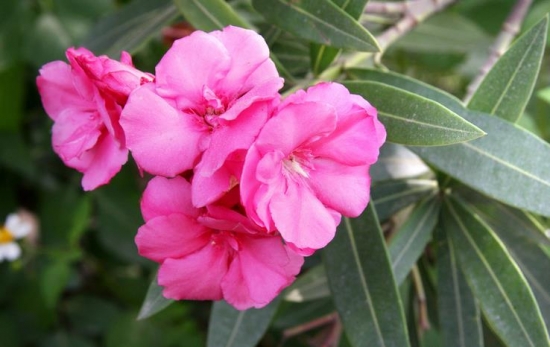
Pencil Tree: It is a succulent plant, and the white sap that flows out after its stem is broken can cause skin redness and swelling, and if it gets into the eyes it can cause blindness.
Lantana: The flowers and leaves are toxic, and eating them by mistake can cause diarrhea and fever.
Crown of Thorns and Euphorbia neriifolia: The white latex in the stems is toxic, and neither can get into the eyes.
Dieffenbachia: The flowers and leaves contain oxalic acid and asparagine, and eating them by mistake will cause swelling and pain in the mouth, throat, esophagus and stomach and intestines, and may even damage the vocal cords and make a person mute.
Cactus plants: The spines contain toxic sap, and after a person is pricked, allergic symptoms such as skin redness, swelling, pain and itching are likely to occur.
Poinsettia: The whole plant is toxic, the white sap can irritate the skin and cause redness and swelling, and eating the stem or leaves by mistake carries the risk of poisoning and death.
Tulip: The flowers contain toxic alkaloids, and long contact can make a person dizzy and muddled, and can also cause hair loss.
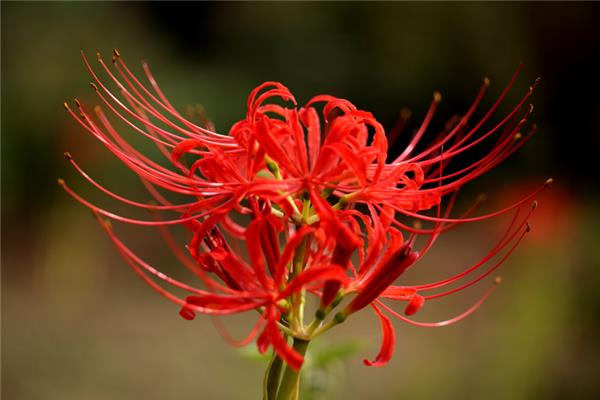
Lycoris: The bulb contains toxic substances such as lycorine. After human skin comes into contact with lycorine, it will cause redness, swelling and itching; inhaling lycorine into the respiratory tract will cause nosebleeds; eating it by mistake will cause vomiting, diarrhea, cold hands and feet, and shock, and in severe cases death can result from central nervous system paralysis.
Of course, not all poisonous plants cannot be grown, but during the process of growing them, especially indoors, protective measures must be taken to avoid the danger caused by children and the elderly eating them by mistake.
Avoid the danger caused by children and the elderly eating them by mistake.