How to Grow Peperomia obtusifolia? A Complete Guide to Its Cultivation Methods
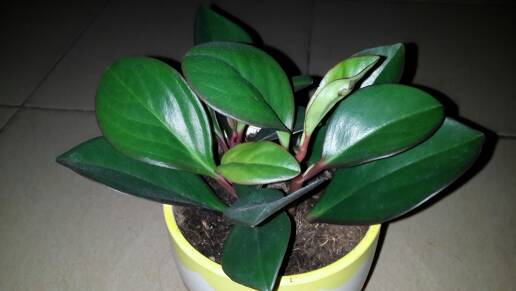
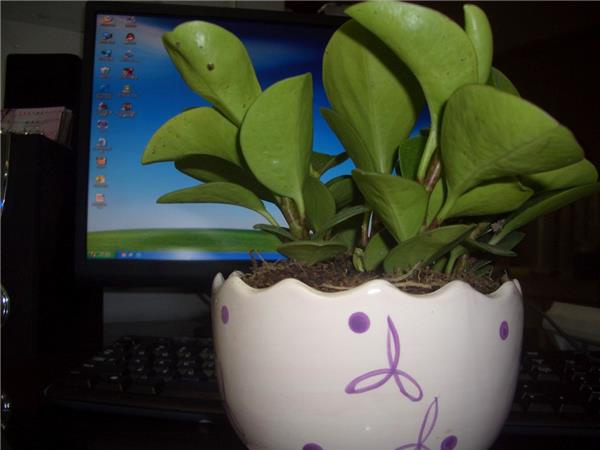
The name "computer baby" does not refer to some little baby or a pretty girl, but is a nickname for a plant. Its scientific name is Peperomia obtusifolia (baby rubber plant), and because it is often placed near computers to protect against radiation, it has been affectionately called "computer baby". The cultivation methods for Peperomia obtusifolia are simple and easy to master, so let's learn about them together below.
I. Habits of Peperomia obtusifolia
In fact, Peperomia obtusifolia is very easy to grow. Whether grown in soil or in water, it can be kept alive quite easily. Peperomia obtusifolia is suited to being cared for in a semi-shady environment, that is, a bright indoor spot, but attention should be paid to ventilation, and remember not to expose it to direct sunlight, because it is not tolerant of high temperatures. The suitable growing temperature is around 25°C, and of course the low temperature should not fall below 10°C. It likes relatively high air humidity, and prefers loose, fertile, moist soil with good drainage (which is to say the soil can be kept damp).
II. Cultivation Methods for Peperomia obtusifolia
1. How to grow in water: Peperomia obtusifolia is an extremely easy-to-keep specimen in water culture. Each plant has 4-5 leaves, adapts very easily to the aquatic environment, does not rot, and is easy to plant. It likes a warm, humid, semi-shady environment, is not tolerant of high temperatures, and avoids direct sunlight; it is drought-tolerant, so it should not be watered too much, especially in autumn and winter when watering should be reduced. If the air is dry, more water can be sprayed on the leaves. It should be protected from frost.
2. How to grow in soil: The cultivation medium for Peperomia obtusifolia should be an organic medium with good air permeability and good water retention, such as peat soil plus perlite or vermiculite, at a ratio of about 6:1. Excessive moisture in the cultivation medium should be avoided, and the medium should generally maintain a water content of 40-60%. It is usually placed in a bright indoor spot or a shaded outdoor spot; the optimum temperature is 20-26°C, and the winter temperature should be above 5°C. The leaves should be sprayed with water regularly to maintain relatively high air humidity. After being cared for for a period of time, it can also be appropriately pruned or transplanted into a courtyard for ornamental purposes.
III. Propagation Methods for Peperomia obtusifolia
It is mostly propagated by cuttings and division.
1. Cuttings: In April-May, select robust top shoots about 5 cm long as cuttings, keep 1-2 leaves on the upper part, and after the cut end has dried, insert them into a moist sand bed. Leaf cuttings can also be used: cut off a leaf with its petiole using a knife, let it dry slightly, then insert it obliquely into a sand bed, and it will root in 10-15 days. In a greenhouse with temperature control equipment, this can be done all year round.
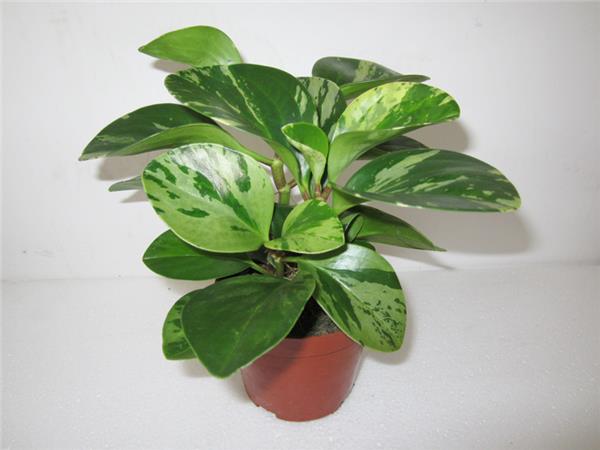
2. Division: This is mainly used for propagating variegated-leaf varieties. The potting soil can be made up of leaf mold, peat soil plus some perlite or sand, with an appropriate amount of base fertilizer added. During the growing season, apply a top dressing once every half month. For watering, water that has been left standing in a water container for 1-2 days is best. Reduce watering in winter.
IV. Care and Management of Peperomia obtusifolia
Caring for Peperomia obtusifolia is very simple. It likes loose, fertile, moist soil with good drainage. Below is an explanation of water, fertilizer, soil, temperature and light during the care of Peperomia obtusifolia.
1. Watering: It likes moisture, so during the growing period from May to September it should be watered more. In hot weather, water should be sprayed on the leaves or poured over them to maintain relatively high air humidity and keep the leaf patterns clear and the foliage emerald green.
2. Fertilizing: Flower lovers who have the conditions can fertilize once a month until overwintering. If no fertilizer is on hand, there is no need to fertilize.
3. Soil: Peperomia obtusifolia requires loose, fertile, well-drained soil, which can be prepared by mixing river sand, topsoil and leaf mold.
4. Temperature: It likes warmth, with an optimum growing temperature of around 25°C, and the overwintering temperature should not be below 5°C.
5. Light: Peperomia obtusifolia avoids direct sunlight and is suited to growing in a semi-shady spot, so it can be placed in a living room or on an office desk, but is not suited to a balcony with strong light.
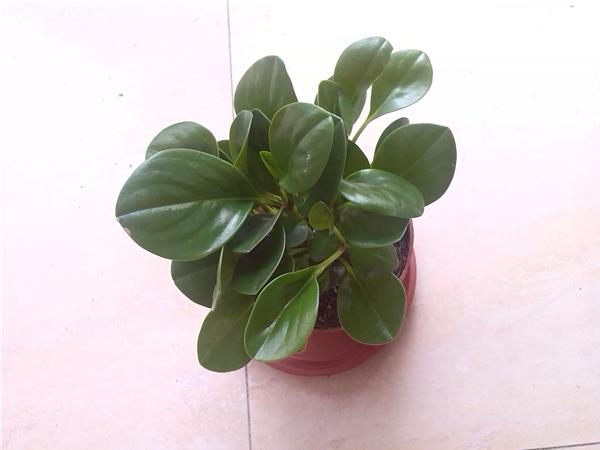
Isn't Peperomia obtusifolia just perfect for placing in the office and at home? After reading this introduction, have you also become interested in growing Peperomia obtusifolia? If you are tempted, then hurry to the flower market and bring a pot home, and then you can propagate and cultivate it yourself at home.