The benefits and uses of asparagus fern, and how best to eat it
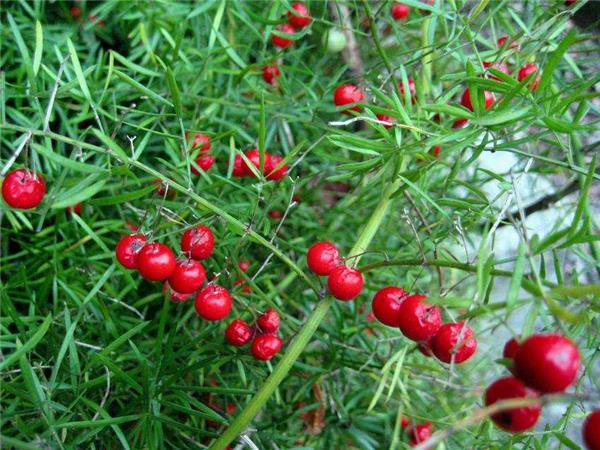
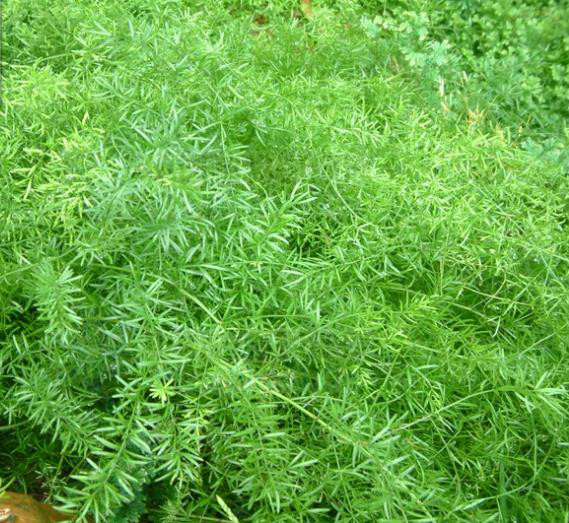
Asparagus fern is a plant that can be grown at home for ornamental purposes, and not only that, it can also be eaten and used as a medicinal herb. Well, isn't it a plant with great cultivation value? Let's take a look below at what benefits and uses it has.
Macroscopic identification of asparagus fern
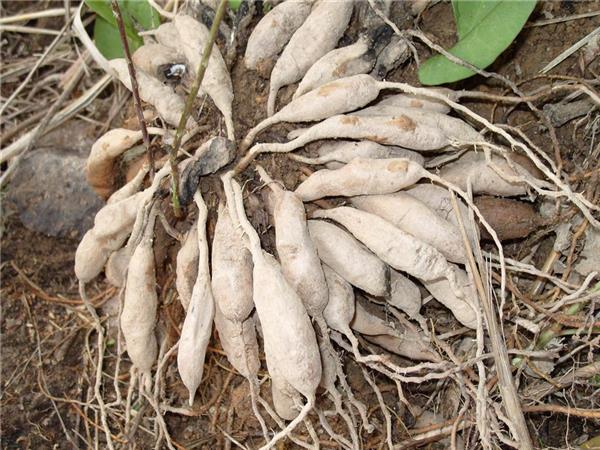
This product is oblong and spindle-shaped, slightly curved, plump in the middle, gradually tapering to blunt tips at both ends, 6-17 cm long, 0.7-1.5 cm in diameter in the middle, overall pale yellow or light yellowish-brown, oily and semi-transparent in appearance, with longitudinal striations or grooves. After being thoroughly dried it is hard; if not thoroughly dried it is soft. It is sticky. The fractured surface is waxy, the same color as the exterior; if it has not been thoroughly steamed or boiled, there is an opaque white core in the middle. It has a faint odor and a sweet, slightly bitter taste. Those that are plump, large, pale yellow and semi-transparent are considered the best.
The benefits of asparagus fern
Nature, flavor and meridian entry: bitter in flavor with a slight sweetness, strongly cold in nature. Rich in flavor and thin in qi, sinking, yin in nature. It enters the Lung and Kidney meridians, the Hand Taiyin (Lung) meridian and the Foot Shaoyin Kidney meridian.
It has the effects of nourishing yin and promoting fluid production, clearing fire and moistening dryness, expelling phlegm and relieving cough, and promoting urination and reducing fever; it is a key herb for treating deficiency heat of the Lung and Kidney. It mainly treats lung heat and pneumonia, lung abscess and lung atrophy, pulmonary atrophy, lung deficiency with heat, dry cough due to lung heat, thick phlegm that is difficult to expectorate, hemoptysis with counterflow of qi, cough with blood-streaked sputum, vomiting of pus and blood, phlegm cough with panting, wasting-thirst with dry throat, burning pain under the feet, consumptive disease with bone-steaming fever, and patterns of yin deficiency with fire; damage to yin from febrile disease, sore throat, dry throat and sore throat, scanty fluids with thirst, bronchitis, pulmonary tuberculosis, diphtheria, whooping cough, cardiac edema, dry mouth in febrile disease, diabetes, constipation, night sweats, seminal emission, flaccid legs, dry-intestine constipation, early-stage breast cancer, rheumatic hemiplegia, and general weakness and debility, etc. For external use it treats sores, ulcers, swellings and boils, and insect and snake bites. The stems and branches treat skin diseases.
Clinical applications of asparagus fern
It is mainly used for yin deficiency with effulgent fire, especially in those with deficiency-heat cough.
1. To treat cough due to lung deficiency, suitable for elderly patients with chronic bronchitis and pulmonary tuberculosis, especially those with sticky phlegm that is difficult to expectorate and chronic cough tending toward heat; asparagus fern can be used to moisten dryness, transform phlegm and nourish the body, often combined with Rehmannia, Fritillaria cirrhosa and lily bulb, as in the formula Asparagus Fern Pill.
2. To treat lung atrophy and lung abscess, take asparagus fern for its cooling and moistening ability to clear heat, and combine it with detoxifying herbs such as Cremastra appendiculata and Cudrania cochinchinensis, as in the formula Tianpo Decoction.
3. To treat fever due to yin deficiency, such as low fever in anemia, tuberculosis, and weakness after illness, combine it with prepared Rehmannia to nourish blood and Codonopsis to supplement qi, as in the formula Sancai Decoction. If it is yin deficiency in the later stage of a febrile disease accompanied by dry-intestine constipation, then combine it with Rehmannia, hemp seed and angelica.
How to eat asparagus fern
1. Asparagus fern wine: take 40 g of asparagus fern and 500 ml of sorghum liquor. Split the asparagus fern open with a bamboo knife and remove the core, then place it with water in a clay pot and decoct. After about 40 minutes of boiling, remove the residue and take the liquid, mix it into the sorghum liquor, put it in a bottle, seal it for a period of time, and then it is ready to drink. Each time take 10-30 ml of this wine, once a day, best taken in the afternoon. However, it is not suitable for people with yang deficiency and exuberant yin, or with spleen-stomach deficiency cold presenting with poor appetite and loose stools.
2. Asparagus fern paste: prepare 100 g of asparagus fern, and 50 g each of donkey-hide gelatin, apricot kernel, Fritillaria cirrhosa and poria. Put all the ingredients into a clay pot, add water and decoct to obtain a thick juice, add about an equal amount of refined honey and stir well, then bring to a boil and it is ready. Take 1 spoonful each time. This method can nourish yin and moisten dryness, clear fire, nourish yin and stop bleeding, and transform phlegm and relieve cough; poria nourishes and benefits the spleen, so it can be used by people with yin deficiency and lung dryness, and cough with blood-streaked sputum.
3. Asparagus fern porridge: take 15 g of asparagus fern, 100 g of polished round-grained rice, and an appropriate amount of rock sugar. Decoct the asparagus fern in water and take the juice, then add the rice and cook into porridge; when the porridge is almost done, add the rock sugar and cook until the porridge is ready. This formula mainly serves to clear fire and moisten dryness, benefit stomach qi, and moisten the lung and benefit the stomach; it can be used by people with yin deficiency and lung dryness, cough and dry throat, yin deficiency with stomach heat, wasting-thirst with dry mouth, and dry-heat constipation, etc.
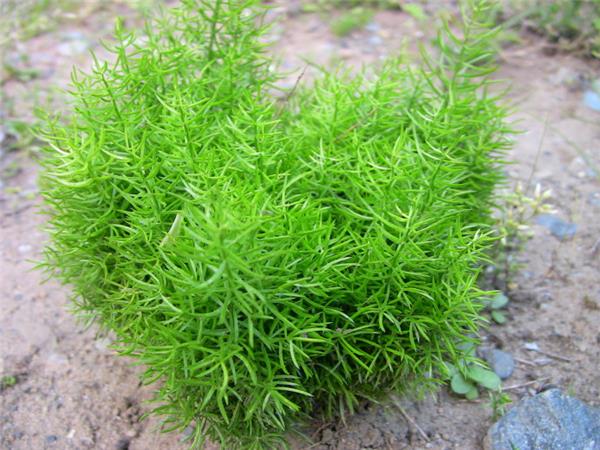
After reading the introduction above, have you gained a deeper understanding of asparagus fern, and has it also sparked your interest in growing asparagus fern? Here we should also remind everyone that although asparagus fern is a Chinese medicinal herb with high nutritional value, you must be sure to use it in appropriate amounts, and it is best to use it under a doctor's guidance.