What are the harms of water hyacinth? A comprehensive guide
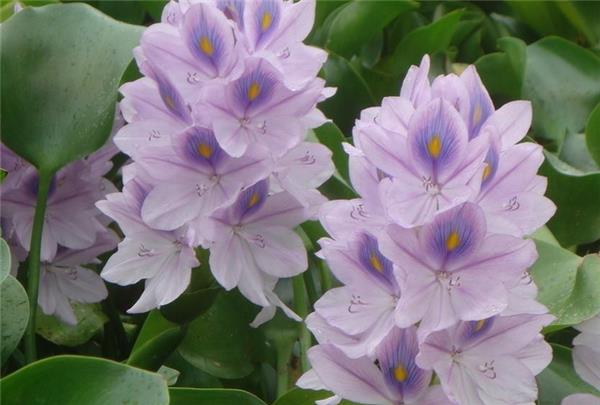
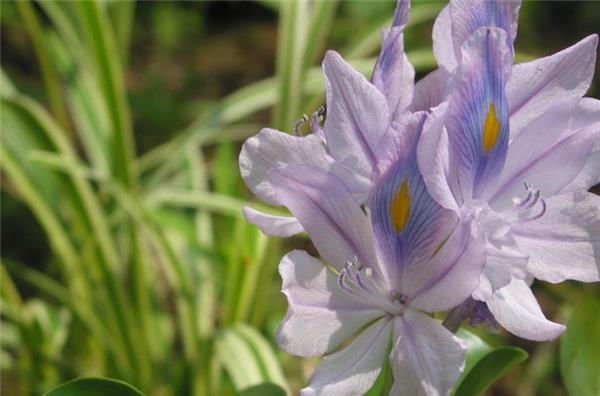
Do you know what kind of plant water hyacinth is? When you see this name, you may not be clear about what kind of plant it actually is, but when it comes to water hyacinth, there are probably very few people who do not know it. As children, we all saw this plant by the river or in ponds, and its flowers are very beautiful, purple in color. So do you know what the uses of water hyacinth are? And where do its harms lie?
I. The harms of water hyacinth
1. Because its reproductive capacity is very strong, it can block shipping lanes and affect shipping and drainage, and it can become the number one enemy of agriculture, water conservancy and environmental protection.
2. It also restricts the flow of water bodies, causing the water to become foul-smelling because it no longer receives sunlight. This continuously reduces the dissolved oxygen content in the water body, inhibits the production of plankton, and then destroys the ecological environment of rivers and streams.
3. Because its reproduction speed is fast and its survivability is very strong, this provides a breeding ground for pathogens such as blood flukes and encephalitis and influenza, and the breeding of mosquitoes and flies provides opportunities for mosquito larvae to breathe and reproduce.
4. Because its excessive reproduction causes blockage and prevents water bodies from flowing freely, various pollution sources such as heavy metal elements and other trace elements harmful to human health cannot be effectively removed, so people directly or indirectly take in polluted water sources.
II. The uses of water hyacinth
Medicinal value: The flowers and tender leaves of water hyacinth can be eaten directly, and they have a fresh and refreshing taste. They have the effects of relieving constipation and moistening the intestines, clearing heat and detoxifying, and promoting diuresis and reducing swelling. The whole plant is used as medicine, harvested in spring and summer, washed clean, dried in the sun for later use or used fresh. It mainly treats skin eczema, nephritis edema, difficult urination, etc.
Ornamental value: Water hyacinth is an important landscaping decoration in garden waterscapes. Planted in a small pond and enclosed with bamboo, it has a rustic and serene charm.
Environmental purification: Water hyacinth is a plant used to detect environmental pollution. It can monitor whether arsenic is present in water and can also purify harmful substances such as mercury and lead in water.
III. How to prevent and control the harms of water hyacinth
At present, the methods for preventing and controlling water hyacinth mainly include chemical control, biological control, manual and mechanical salvage, and integrated management. Chemical control methods are simple and quick-acting, and commonly used herbicides such as paraquat and glyphosate are used for control. However, herbicides are highly destructive to the water body ecosystem, pollute the environment, and cannot remove water hyacinth seeds, so the effect cannot last. Biological control uses the theory of ecological balance between plants and their natural enemies, introducing their natural enemies from the place of origin of water hyacinth, establishing populations, and implementing long-term control of water hyacinth. Biological control is environmentally safe, low in cost, and long-lasting in effect, and is valued both domestically and abroad, but its disadvantage is that it takes effect slowly. From releasing natural enemies to obtaining significant control effects, it generally takes 3-5 years or even longer. Manual and mechanical control methods involve salvaging and treating water hyacinth by hand or machinery, with quick results, but when the affected area is large, the labor intensity is high. Like chemical control, manual and mechanical control also find it difficult to remove seeds in the water, and the control effect cannot last. Integrated management methods involve adopting the above control measures in a targeted manner, drawing on each other's strengths to make up for weaknesses, and keeping the population of water hyacinth at a low level for a long time.
Using water hyacinth to purify sewage is a simple and feasible method with low cost, energy savings and relatively high benefits. Experts say that in the future, the model of using water hyacinth to treat sewage will be promoted, making both sewage and water hyacinth valuable resources.