The Growth Process and Cultivation Methods of Impatiens
Impatiens, also known as henna, nail-dyeing flower, small peach blossom, touch-me-not, and Impatiens stem, is a very common flowering plant that can be planted in flower beds or grown in pots. Many people are curious about the growth process of impatiens, so let's take a look at the observation record of the impatiens growth process below, which also shows impatiens pictures.
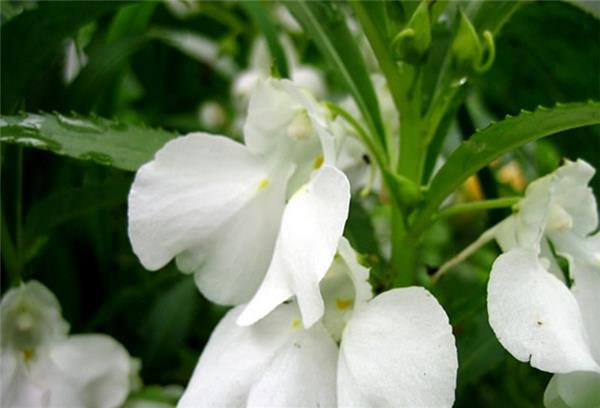
I. The Growth Process of Impatiens
1. Spring is a good season for sowing impatiens. You can buy some seeds from flower and bird markets to sow (generally sown in April).
2. On the seventh day after sowing, the impatiens sprouted.
3. One week after the impatiens seedlings emerge, the first pair of cotyledons grows;
4. During the growing period, the impatiens rapidly grows lush leaves and true leaves appear. It is found that the cotyledons and true leaves are quite different, and the edges of the true leaves have spines.
5. The impatiens grows flower buds and is ready to bloom. When the impatiens blooms, during the May flowering period, pinching, topdressing, and waterlogging prevention are needed. From June to August, pest and disease control should be carried out. (Flower buds appear about 50 days after sowing.)
6. During the flowering period, the pinching method can be used, and at the same time, early-opening flowers and buds should be removed, so that the plant continues to expand and grow more flower buds. (About 10 days after the flower buds appear, it will bloom.)
7. The impatiens bears fruit. From September to October, seeds can be saved. Be especially careful when collecting seeds, as they burst open at a touch. (Seeds form 15 days after flowering.)
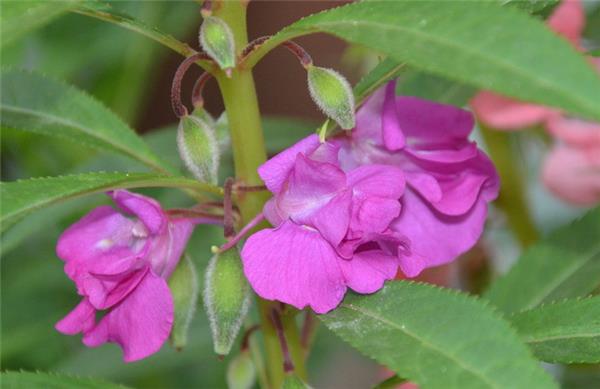
II. How Impatiens Spreads Its Seeds
There are many propagation methods for impatiens, but generally artificial cultivation is used, using seeds. Sowing is generally carried out from March to September, and April is the most suitable time for sowing seeds. The growth period is from April to September. After the seeds are sown, they will sprout and grow leaves after one week.
Impatiens is more suitable for growing in places with sufficient sunlight, tolerates heat but not cold, prefers loose and fertile soil, and sunny terrain. It does not have particularly high requirements for the growing environment. It is afraid of moisture and is not suitable for growing in moist soil conditions. Impatiens has particularly strong vitality and also adapts very well to the environment. Under normal circumstances, it is rarely attacked by pests and diseases. Its stem is relatively thick and fleshy, and the branches are very upright. It is a flowering plant that does not branch or has branches. It has no hairs, or when young is sparsely pubescent. The base of its stem can reach 8 mm. It has many fibrous roots, and the lower nodes are often relatively swollen. It is a very good herbaceous flowering plant.
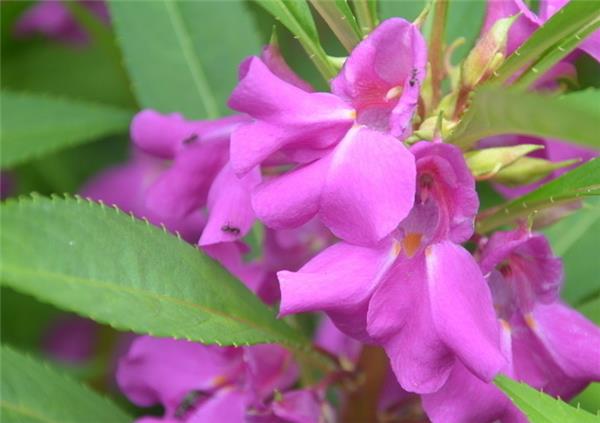
III. The Impact of Impatiens on the Home Environment
1. Impatiens plays an indispensable role in greening the home. Through photosynthesis, impatiens can absorb carbon dioxide and release oxygen, while people inhale oxygen and exhale carbon dioxide during breathing, thus balancing the oxygen and carbon dioxide in indoor air. At the same time, through the leaves of impatiens absorbing heat and water evaporating, the air temperature can be lowered, and the temperature can be relatively regulated in winter and summer. In summer, it can provide shade and heat insulation. In winter, according to experiments, a connected greenhouse with planted balconies, compared with a greenhouse without planting, can not only create an oxygen-rich space, facilitating the beneficial cycle of oxygen and carbon dioxide between people and impatiens, but also has a better greenhouse effect.
2. Impatiens also has a great function in beautifying the home. Impatiens can keep indoor air humidity at an excellent level, and its bright colors also add a lot of spring atmosphere to the home. At the same time, the beautiful impatiens has great ornamental value. In a small house, it will make it seem endlessly springlike, as if living in an ocean of fresh flowers. Arranged in a large house, it can create a noble home style.
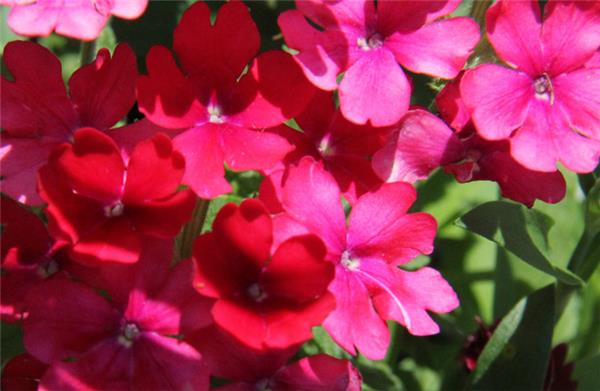
Summary: The above introduces what impatiens relies on to spread seeds, as well as an appreciation of a complete collection of impatiens pictures. I hope more and more people will correctly recognize impatiens. It has many medicinal values and needs to be well utilized. It is a very good flowering plant.