What Kind of Tea Is Shuixian Tea? A Detailed Guide to Brewing Methods
The tea leaves of Shuixian tea, like the narcissus flower, have a light floral fragrance, yet they are refreshing to the senses and make the body feel at ease. Let's get to know it today.
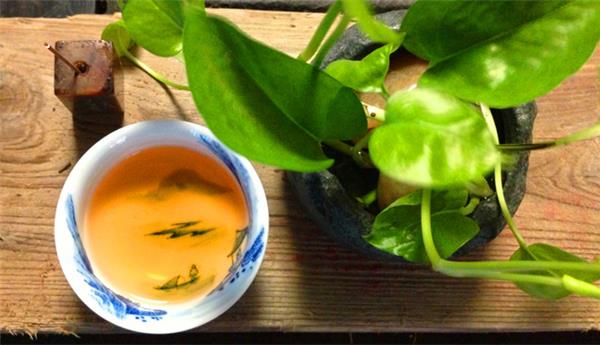
I. The Benefits and Effects of Shuixian Tea
1. The catechin in Shuixian tea leaves has the effect of neutralizing the radioactive element strontium and reducing the harm of atomic radiation. It can counteract the radiation pollution of today's cities, so it is known as "the beverage of the atomic age."
2. Tea leaves are rich in catechin, with green tea (and Shuixian tea belongs to green tea) containing a particularly high amount. Catechin also has high vitamin P activity, which can enhance the body's ability to accumulate vitamins, reduce fat accumulation in the blood and liver, and maintain the normal resistance of capillaries. Therefore, regular tea drinking is beneficial for preventing and treating high blood pressure, arteriosclerosis, and coronary heart disease.
3. Caffeine and theophylline are among the components of Shuixian tea leaves, and they can inhibit the reabsorption of the renal tubules. So it is a very good diuretic, which can both promote urination, strengthen kidney function, help toxins and waste in the kidneys be discharged from the body as quickly as possible, and also prevent kidney disease and stones.
4. Shuixian tea leaves contain vitamins such as vitamin B1, B2, folic acid, niacin, and vitamin C. The content of each vitamin is not necessarily very high, but regular tea drinking is still very valuable for supplementing nutrition.
II. Types of Shuixian Tea
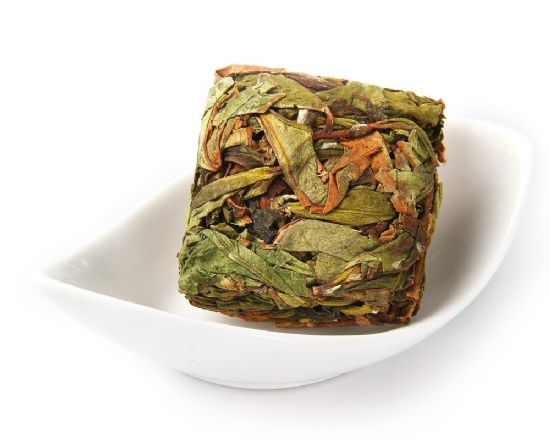
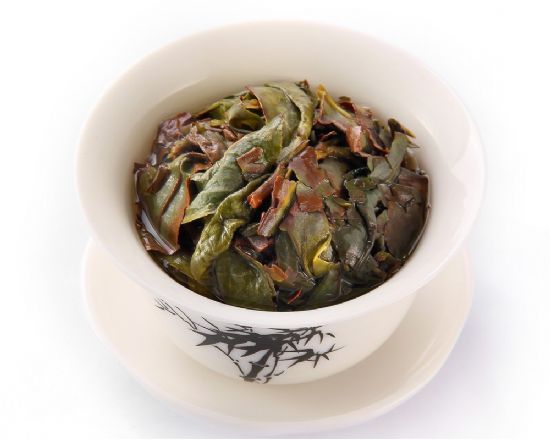
Wuyi Shuixian: Wuyi Shuixian has a plump and strong appearance, tightly rolled and evenly formed, with twisted and wrinkled leaf tips. Its color is verdant yellow-green, lustrous and oily, presenting a "dragonfly head, frog legs" shape. The aroma is rich and lasting, the liquor color is orange-yellow, deep and vivid, the taste is thick and mellow, refreshing with a sweet aftertaste, and the infused leaves are plump, tender, and yellow-bright with cinnabar-red edges. It is a treasure among Wuyi rock teas.
Minnan Shuixian: Minnan Shuixian has a plump and evenly formed appearance, tightly rolled and curled, like a dragonfly head, a frog belly, and also like dried oysters, with a lustrous finish and alternating brown-yellow and dark green colors. After brewing, the aroma resembles the unique fresh fragrance of magnolia, the liquor color is orange-yellow and bright, the taste is strong and refreshing, clear, fragrant, and mellow, promoting saliva and moistening the throat. The infused leaves are light yellow with green beneath and edges of vermilion red or slightly reddish.
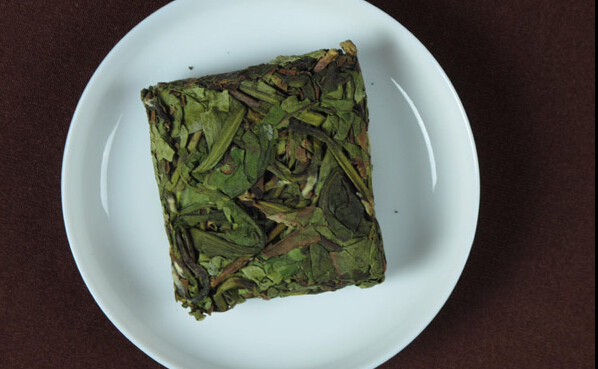
Zhangping Shuixian: Zhangping Shuixian has a neutral character, with a yellow-brown tea color, a rich fragrance, a mellow taste, and a sweet, refreshing aftertaste. Zhangping Shuixian tea is divided into loose-leaf tea and paper-wrapped tea cakes. Tea making places great emphasis on the process. After the fresh leaves are picked, they are made through processes such as sun-drying, cooling, shaking, pan-firing, rolling, baking, and re-rolling.
III. The Three Key Elements of Brewing Shuixian Tea
(1) Amount of tea leaves: To brew a good-tasting tea, you must master the amount of tea leaves. There is no uniform standard for how much to use each time; it mainly depends on the type of tea, the size of the tea set, and the drinking habits of the consumer. The key to controlling the amount of tea used for brewing is the ratio of tea to water. More tea and less water makes a strong taste; less tea and more water makes a weak taste.
(2) Water temperature: When boiling water for tea, use high heat for a rapid boil, not a gentle fire for slow heating. It is best when it has just boiled and begun to bubble. Brewing with boiled soft water gives the tea liquor an even better aroma. Mastering the brewing water temperature mainly depends on what kind of tea is being brewed. Green tea generally cannot be brewed with 100°C boiling water; 80°C~90°C is suitable (the water should reach boiling point first, then be cooled to the desired temperature). The more tender and green the Shuixian tea leaves, the lower the brewing water temperature should be, so that the tea liquor will be fresh and bright, the taste refreshing, and vitamin C less destroyed. At high temperatures, the tea liquor color is darker, vitamin C is largely destroyed, and the taste is more bitter (caffeine in tea is easily extracted), which is to say the tea leaves have been "scalded."
(3) Time: The brewing time and number of infusions for tea leaves vary greatly, and are related to the type of tea, water temperature, amount of tea leaves, and tea-drinking habits. According to tests, on the first infusion, soluble substances can be extracted at 50%~55%; on the second infusion, about 30% can be extracted; on the third infusion, 10% can be extracted; by the fourth infusion, very little remains.
The above is an introduction to Shuixian tea. Because Shuixian tea has relatively high requirements for regional conditions, the north is not suitable for large-scale planting, and keeping Shuixian tea at home is also relatively unsuitable. However, friends who have a terrace can plant small plants for ornamental purposes.