How to grow a jade plant? A step-by-step guide to the cultivation method
The jade plant is a tropical small tree suitable for indoor cultivation. It is commonly known as the swan plant (Yanzizhang) or glass crassula. Grown indoors, it helps purify the air, releasing oxygen during the day and absorbing carbon dioxide at night. Many people want to know how to grow a jade plant, so this article introduces the cultivation methods and precautions for the jade plant.
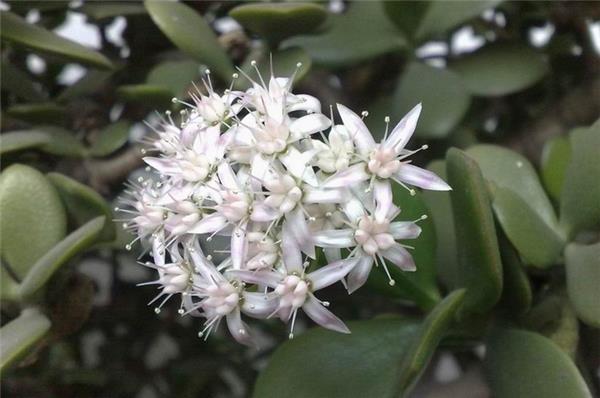
I. Jade plant cultivation methods
Plant the jade plant or repot and change the soil in early spring before it starts growing. The potting soil should be loose, fertile and well-drained. Generally choose 2 parts leaf mold or peat soil, 2 parts garden soil, 3 parts coarse sand, 1 part limestone gravel, or 3 parts each of leaf mold, garden soil and coarse sand, plus 1 part each of bone meal and plant ash, fully mixed as the potting soil.
The suitable temperature for jade plant growth is 20-30°C. Spring and autumn are the suitable growing seasons. In summer, when temperatures are high, shade it or place it under tree shade to avoid direct strong sunlight. When the temperature exceeds 38°C, growth slows or the plant enters a brief dormancy. In winter, move it into a greenhouse or place it in a sunny spot indoors, keeping the room temperature at 7-10°C, and never below 5°C. If it drops below 0°C, the plant will freeze and die. During the growing season, except for shading needed during the hot summer, it should be placed in a spot with plenty of sunlight.
During the growing season, water the jade plant once every 2-3 days, but do not let the potting soil become too wet, and never let water accumulate. In the hot summer, strictly control watering and increase ventilation, otherwise it easily causes leaf drop. In winter, reduce watering, and keep the potting soil slightly dry. During the growing season, apply topdressing, generally 2-3 times a month with well-rotted, diluted cake fertilizer liquid. Before repotting or planting, apply sufficient base fertilizer; well-rotted organic fertilizers such as chicken manure, pigeon manure, bone meal, night soil and urine, and various cake fertilizers can all be mixed into the potting soil as base fertilizer. To keep the plant shape full, do not apply too much fertilizer and water, to avoid leggy growth.
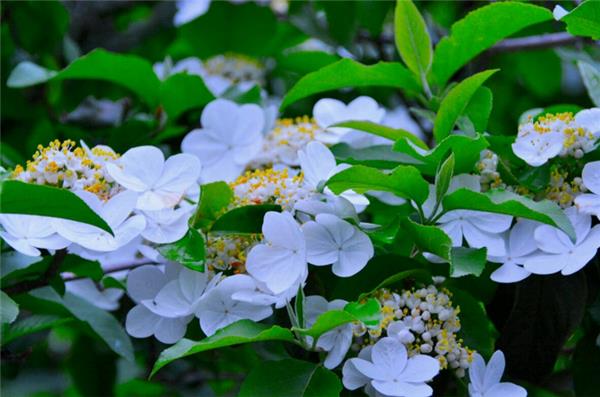
II. Key points for growing a jade plant
1. Move the pot indoors in time
After winter arrives, move the jade plant indoors where a temperature of 7°C to 10°C can be maintained. On warmer days, you can move the jade plant to the balcony at noon to let it bask in the sun, and still move it back indoors at night.
2. Control the dryness and moisture of the potting soil
In winter, keep the potting soil mainly slightly dry, and mist the leaves with fine water spray at the right time to replenish moisture. Under normal circumstances, there is no need to water the potting soil directly.
3. Move it into a warm shed for insulation
If conditions allow, move the pot into a warm shed; if not, you can also cover it with a plastic film, but pay attention to the humidity inside the cover. If you find it is too damp, uncover it in time to let in air, to prevent the leaves from rotting.
4. If the jade plant has already suffered frost damage due to earlier mistakes in cold protection measures, do not easily discard the plant.
Simply remove the frost-killed leaves and tender branches, keep the plump main stem, and apply fertilizer appropriately the following spring; the main stem can still sprout new branches and leaves. Generally, after 1 to 2 years of cultivation, it can develop into a perfect jade plant again.
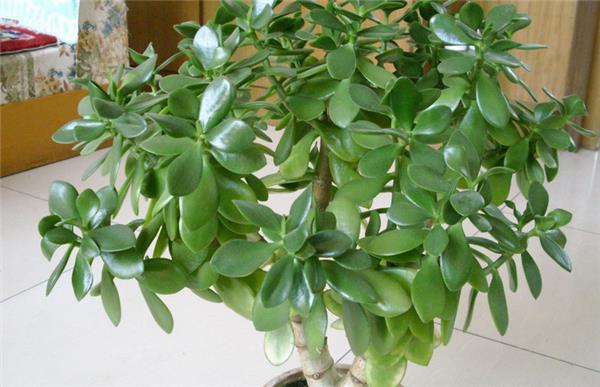
III. Jade plant cultivation techniques
During the growth period, the jade plant only needs to be kept in a slightly moist potting soil and a ventilated environment. Do not water too much; water again after the soil dries. Water accumulation in the potting soil will cause root rot. In summer, if the potting soil is too dry, it can also cause leaf drop. During cultivation, generally little fertilizer is needed; applying diluted liquid fertilizer 1-2 times a year is enough.
Light and temperature control
Spring and autumn are the suitable growing seasons for the jade plant, with an optimum growth temperature of 20-30°C. In summer, when temperatures are high, provide shading to avoid direct sunlight. When the temperature exceeds 38°C, growth slows. In winter, place it in a sunny spot indoors and maintain a room temperature of 7-10°C. If the temperature drops below 0°C, it will freeze and die.
Water and fertilizer management
During the growing period, water the jade plant once every 2-3 days, but do not let water accumulate. In the hot summer, strictly control watering and increase ventilation, otherwise it easily causes leaf drop. In winter, reduce watering, and keep the potting soil slightly dry. During the growing season, apply topdressing, generally 2-3 times a month with well-rotted, diluted cake fertilizer liquid. To keep the jade plant's shape full, do not apply too much fertilizer and water, to avoid leggy growth.
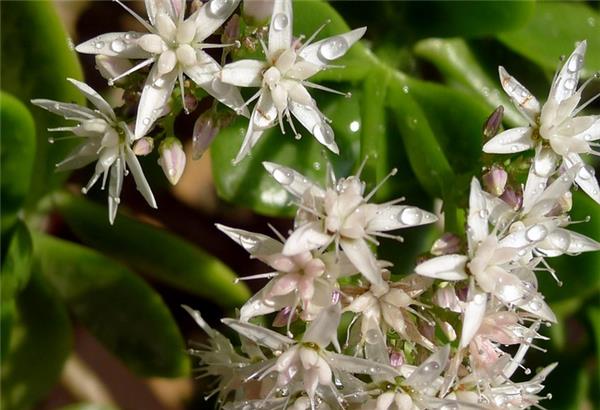
The above is an introduction to the cultivation methods and precautions for the jade plant. The jade plant is also known as swan plant (Yanzizhang) and likes a dry environment. The true jade plant is non-toxic, while Sedum spectabile contains a large amount of toxins in its body, so great care must be taken to distinguish them when planting.