How to grow Peperomia obtusifolia without root rot? A detailed guide to cultivation methods
Peperomia obtusifolia is very easy to keep alive, so it is one of the top choices for indoor potted plant growing. Moreover, Peperomia obtusifolia is one of the better radiation-resistant plants among all plants, and it can effectively absorb harmful gases such as formaldehyde and carbon dioxide from the air, so it is very suitable for growing indoors.
I. Growth habits of Peperomia obtusifolia
Peperomia obtusifolia prefers a warm, humid, semi-shaded environment. The optimum growth temperature is around 25°C, and it must not go below 10°C. It is not tolerant of high temperatures, requires relatively high air humidity, and dislikes direct sunlight; it prefers loose, fertile, moist soil with good drainage.
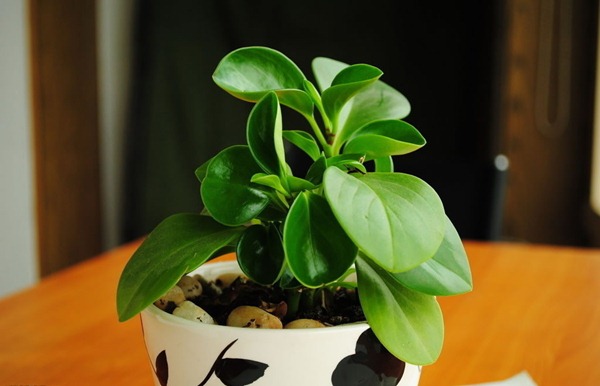
II. Soil cultivation methods for Peperomia obtusifolia
1. Substrate: It prefers imported peat of 5-40mm grade that is loose and has good drainage and aeration. Break up the peat, add water and mix well (standard for adding water: after adding water and mixing well, squeeze a handful of peat tightly and water seeps out between the fingers), then plant it in cups. A 9cm pot uses about 200 milliliters of peat per pot, and one 300-liter bag of imported peat can fill about 1,500 cups.
2. Light: It prefers semi-shade or scattered light. Apart from winter, when it needs sufficient light, it needs a little shading in the other seasons, and in summer especially it needs more shading. If placed in a shaded environment, it tends to grow leggy, with longer internodes, reducing its ornamental value, which is also undesirable. Under semi-shaded conditions, the leaf color is brighter and the gloss is better; variegated varieties in particular have a slightly higher demand for sunlight.
3. Temperature: It prefers a warm environment. The optimum growth temperature is between 20-30°C, and the overwintering temperature is best kept above 10°C. Below 10°C it stops growing, and below 5°C it is prone to frost damage.
4. Humidity: It prefers a humid growing environment. Under conditions of high humidity it grows luxuriantly and its leaf color is vivid. When the temperature is high or the air is dry, mist the leaves more or sprinkle water in the growing environment to maintain relatively high air humidity, which is extremely beneficial to the plant's growth. It can also adapt to a short period of dry conditions, but not for long; generally humidity should be kept at around 70%.
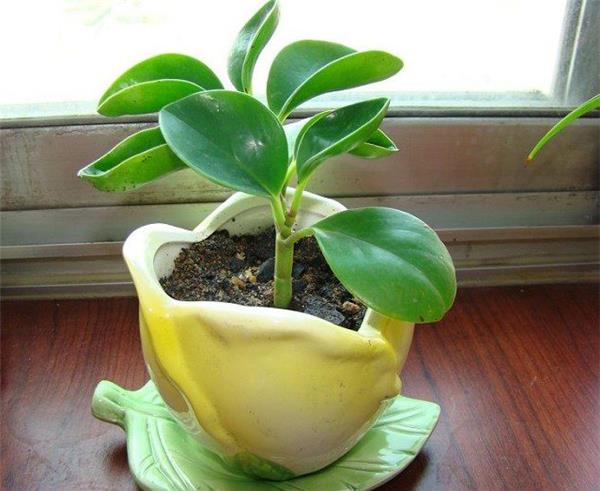
5. Watering: Peperomia obtusifolia prefers water and is not tolerant of drought. Normally, watering should follow the principle of watering when dry and stopping when wet, and the potting soil must not be too dry. But when watering, also be careful to avoid water accumulating in the pot, as waterlogging easily causes root rot and leads to plant disease. In winter, when temperatures are low, it depends on the situation: when the temperature is low, water less, and on sunny days, water moderately more.
6. Fertilizing: When the temperature is above 18°C, a small amount of fertilizer is needed. When the temperature is below 18°C or above 30°C, it is best to fertilize little or not at all. Fertilizing is best done in small amounts and frequently, and watering with diluted fertilizer solution instead of plain water is best. You can also spray fertilizer solution on the leaves, which works well. The main fertilizers are nitrogen and potassium, with phosphorus secondary.
7. Pruning and propagation: A well-cared-for Peperomia obtusifolia has strong branching ability and grows quickly. Normally, pay attention to pruning, cutting off branches that are too tall or too dense. This can both improve air circulation between the branches and stems and keep the plant shape attractive. The mature branches that are cut off can be used for cuttings propagation, and the rooting and survival rate is very high.
8. Pests and diseases: Peperomia obtusifolia has relatively few pests and diseases. Generally, the diseases that appear are all caused by improper care and an unsuitable environment, and it can gradually recover once adjustments are made. The main pest is spider mite damage, but it can be prevented by maintaining relatively high air humidity; when it occurs, it can be controlled by wiping the leaves with a damp cloth or spraying a dedicated pesticide.
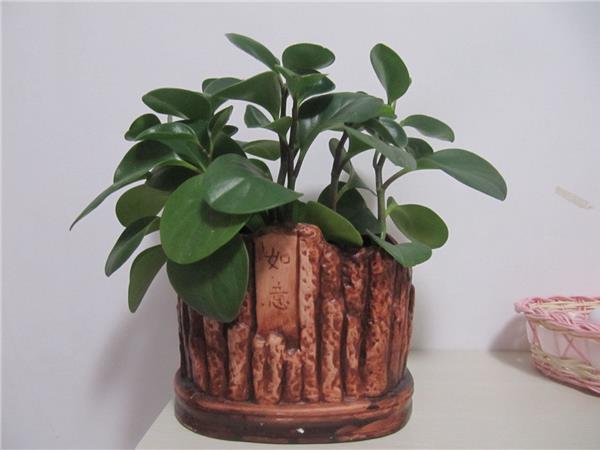
III. Hydroponic cultivation methods for Peperomia obtusifolia
1. Substrate: For soilless cultivation of Peperomia obtusifolia, the substrate can be vermiculite:peat:slag at 1:1:1, or perlite:peat:river sand at 1:1:1. The nutrient solution used can be a foliage plant nutrient solution or a compound flower fertilizer. When potting, first add a layer of ceramsite or coarse sand to the bottom of the pot, place the seedling in the center and hold it upright, then add substrate until the pot is eight-tenths full.
2. Nutrient solution: The first time you water with nutrient solution, water thoroughly until liquid seeps out into the saucer under the pot. After that, replenish solution and water as usual. For small and medium pots, replenish the solution once a week, 50-100 milliliters each time.
3. Humidity: Usually replenish water to keep the substrate moist, and the pH value can be kept at around 6.5. During the growing period, it is best to spray the stems and leaves with clean water 1-2 times a day to help keep the leaves green and fresh, which is especially important in dry climates and during the high-temperature summer season.
4. Light: Peperomia obtusifolia is a semi-shade plant. Normally, place it in a spot with good scattered light; in winter, when the temperature is lower, it can be placed in a spot with sufficient light. However, if it is kept in an overly shaded environment for a long time, besides being prone to leggy stems and branches, the leaf color will also become pale and dull, greatly reducing its ornamental value.
5. Temperature: In winter, pay attention to cold protection and warmth. Keep the room temperature above 15°C, and reduce the frequency of solution replenishment and watering to avoid root and leaf rot.
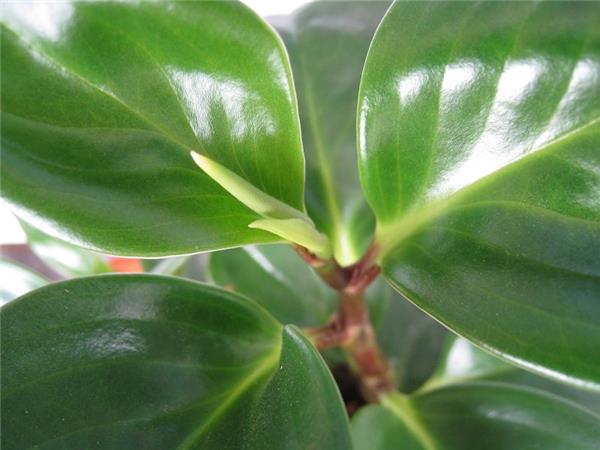
Have you all learned how to grow Peperomia obtusifolia? Compared with soil cultivation, hydroponic cultivation of Peperomia obtusifolia is simpler to carry out and is quite suitable as a choice for beginners. Growing Peperomia obtusifolia serves the dual purpose of decorating the home and purifying the air. When your eyes are tired from looking at the computer, looking at this small plant is also very effective for protecting your eyesight.
Have you all learned how to grow Peperomia obtusifolia? Compared with soil cultivation, hydroponic cultivation of Peperomia obtusifolia is simpler to carry out and is quite suitable as a choice for beginners. Growing Peperomia obtusifolia serves the dual purpose of decorating the home and purifying the air. When your eyes are tired from looking at the computer, looking at this small plant is also very effective for protecting your eyesight.