How to grow cineraria and what does the cineraria flower language mean
Cineraria is a flower with a very auspicious meaning. Growing it at home can both beautify the room and improve feng shui, while also representing the firmness of the grower's beliefs. Growing cineraria requires daily care from many aspects so that the flowers it produces have beautiful corollas, flower shapes, and vivid colors.
The flower language of cineraria
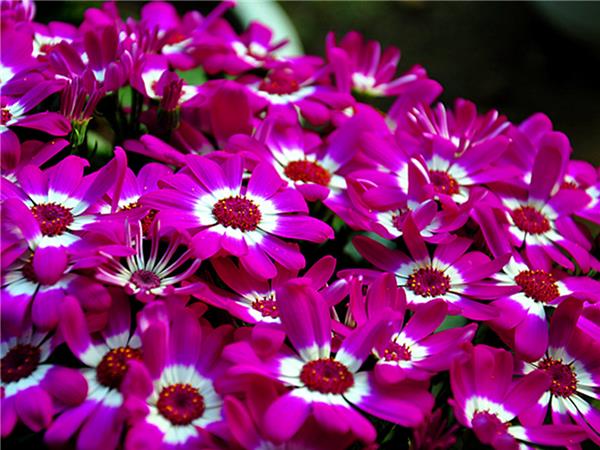
Cineraria flower language: when its flowers bloom, it presents a scene of abundance, vitality, and prosperity, symbolizing festivity, joy, family happiness, flourishing success, wealth, and financial fortune. Because it carries the meaning of wealth, attracting money, and prosperity, some people also call it the wealth flower, and giving it to relatives and friends during the most important Spring Festival of the year represents beautiful blessings.
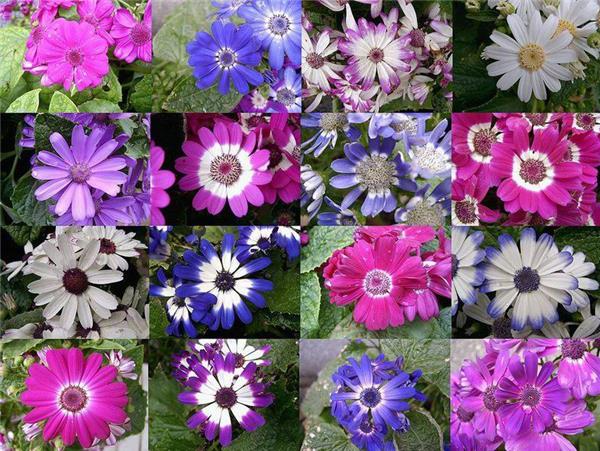
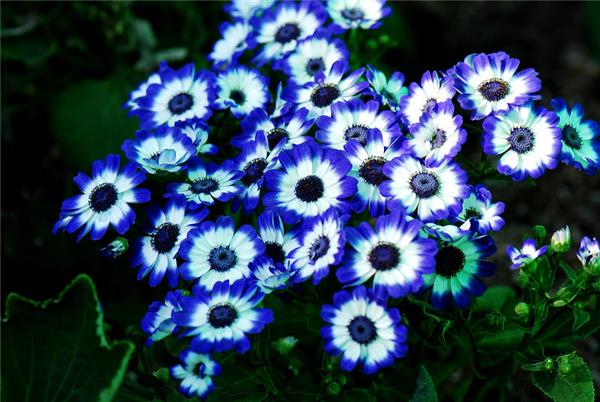
In addition, different flower colors also have their own flower languages. The white variety means noble purity and obtaining things in a proper way, the blue variety means the troubles of love, the red variety represents festivity and good fortune, the pink variety symbolizes luck, and the purple variety's flower language is confused memories. It is the guardian flower of Sagittarius.
Cineraria grows flourishing stems and layered leaves. Whether in the bleak autumn or the fiery summer, it stays green and lush all year round, standing strong and upright, showing infinite vitality. It symbolizes that no matter how the environment changes, once you firm up your beliefs and know what you want to protect, life remains forever young.
The effects and functions of cineraria
Cineraria is one of the main ornamental flowering plants in winter and spring. Its flowers are bright and can be planted in flower beds or potted and placed in courtyard corridors, giving people a fresh and pleasant feeling. Decorative application: cineraria is a greenhouse flower. As a potted plant for indoor display, its flowering period is early, and blooming in the cold winter is especially precious. Its flower colors are rich and bright, especially the blue flowers, which shimmer with a velvet-like luster, elegant and moving. Cineraria blooms neatly and has full flower shapes. It can be placed on indoor low stands, or multiple pots can be arranged in rows to form patterns for decorating hotel inner courtyards, meeting venues, or theater front courtyards, creating a mass of blooming flowers and a joyous atmosphere. Usually a single pot can be enjoyed for more than 40 days.
How to grow cineraria
Propagation: The main propagation method for cineraria is sowing, but cutting and division can also be used.
Soil: Cineraria likes sandy loam rich in humus and well drained. It is averse to drought and afraid of waterlogging, and is suitable for neutral and slightly acidic soil.
Watering: Cineraria leaves are large and thin, so sufficient water must be maintained, but the potting soil must not be too wet. The suitable standard is to keep the leaves from wilting. Usually watering depends on whether the potting soil is dry or wet; water again after it dries, about once every 2-3 days. Clean water can be sprayed on the leaf surface once a day, and in hot weather it can be sprayed twice to lower the temperature and increase air humidity. After flower buds appear, watering should be controlled as much as possible. During the flowering period, the pot should be placed in a cool environment of 8-12°C, which can extend the flowering period to 30-40 days.
Sunlight: During the growth period, cineraria likes sunlight and should not be shaded. The pot should be turned regularly so the branches and leaves receive light evenly and the plant shape stays upright and not lopsided. After the flowers fade, the plant still needs moderate light to adapt to seed development.
Temperature: Cineraria likes warmth but cannot tolerate high temperatures, and grows best under conditions of 15-20°C. When the temperature is higher than 21°C, excessive vegetative growth can occur, which is unfavorable for flower bud formation. When the temperature is lower than 5°C, the plant stops growing and developing, and below 0°C frost damage occurs. The suitable temperature for flowering is 10-15°C. Below 6°C it cannot open its buds, and above 18°C the flower stems grow thin and long, affecting ornamental value.
Fertilization: In addition to applying base fertilizer when planting, cineraria should be given a thin cake fertilizer topdressing once every 7-10 days during growth, or diluted chemical fertilizer can be used. After flower buds appear, 1-2 additional applications of 1000-times diluted monopotassium phosphate solution can be given. Fertilization continues until flowering (stop during the rainy season). If the leaves are contaminated during fertilization, rinse them promptly.
Pests: The plant is susceptible to damage from red spiders and aphids, so environmental conditions should be well controlled, diseased branches should be found as early as possible and removed immediately, and a small amount of pesticide can also be sprayed. If the disease is severe, focus on spraying 2000-times diluted dimethoate solution on the undersides of the leaves and the top of the cineraria, and also spray other parts a little.
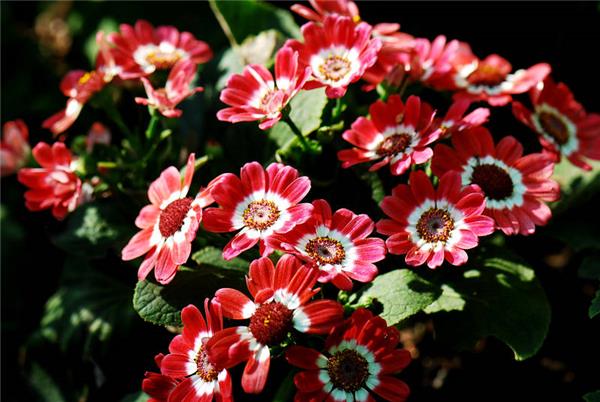
It seems that whether in terms of meaning, flower shape, or function, cineraria is a potted ornamental plant very suitable for indoor cultivation. So if you also want to grow a pot of cineraria, you can go to the flower market to choose your favorite color and variety and cultivate it.
and cultivate it.