What are the effects and functions of the fuchsia?
The fuchsia is also known as the hanging bell begonia or the inverted golden bell. The inverted golden bell is a beautiful flowering plant. It is a type of plant in the begonia family, also called the hanging bell begonia. It is a perennial subshrub with upright stems, reaching a maximum height of about 20 cm, and the whole plant has many branches. The inverted golden bell is a unique plant native to Mexico, later introduced into our country, where it mostly exists as a potted and ornamental plant. So what are the effects and functions of this plant, the inverted golden bell? If you do not know, let me tell you.
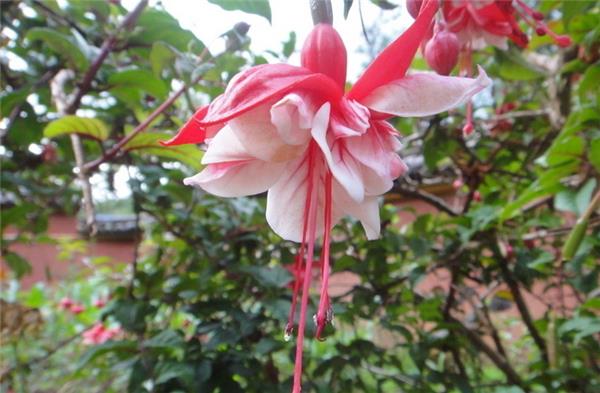
I. The effects and functions of the fuchsia
1. The greatest function of the fuchsia is for people to admire. After this plant is made into a potted plant, it can be placed directly in the living room or on a desk. In addition, the flower stand at home is also a good place to put the inverted golden bell. Placing the inverted golden bell indoors not only makes the indoor environment more beautiful, but also plays a role in purifying the air.
2. After the fuchsia is cut off, it can also be inserted directly into a vase. Putting some water in the vase can keep it blooming for many days without fading, and after a long time, the branches of the fuchsia will grow new roots in the water. At this time, after taking it out, it can be directly transplanted into a new flower pot, and a new fuchsia plant will appear.
3. The fuchsia also has certain medicinal effects, especially its flowers, whose medicinal effects are the most outstanding. It has the effects of promoting blood circulation and removing blood stasis, and cooling blood and dispelling wind. In daily life, people mostly use it to treat rheumatic joint pain and pain or redness and swelling caused by falls and bruises. The method of use is also very simple. Just pound the flowers of the fuchsia into fragments and apply them directly to the area that needs treatment.
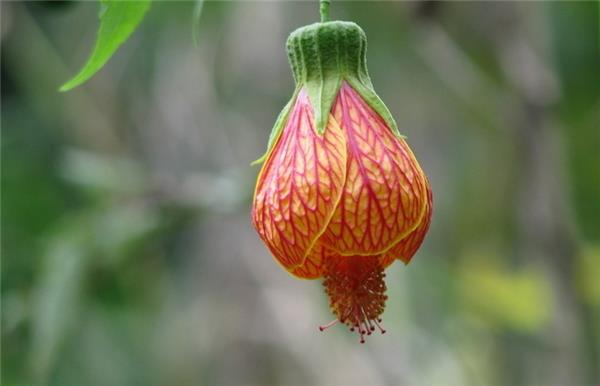
II. Cultivation and management of the fuchsia
Propagation: Cutting propagation can be carried out throughout the year except in summer. April-May or September-October is when cuttings root fastest. For cuttings, either the top tips or the middle and lower parts of branches can be used. Cut them into 8 cm-10 cm sections and insert them into a pot filled with sandy soil, place them in a shaded place, cover with glass, and after more than 10 days they will take root. After another 7 days of cultivation, they can be repotted and planted separately.
Management: After rooting and propagation, pay attention to fertilizer and water management. When a certain height is reached, pinch the tips multiple times so that the plant has more branches and more flowers. After flowering, prune to leave only 15 cm-20 cm of the stem, control watering, place it in a cool place to spend the summer, and when the weather turns cool, apply fertilizer and water frequently to promote growth. In winter, place it in a greenhouse. The potting soil should be mixed with 4 parts clay, 4 parts leaf mold, and 2 parts river sand. Repot once every spring. During vigorous growth, apply oil cake water liquid fertilizer once every 10 to 15 days. The white-flowered variety is not tolerant of heat, so it is best to take a batch of new cuttings after flowering, because seedlings are more heat-tolerant than large plants.
Potted soil should be loose, fertile, and well-drained. Water accumulation can easily cause root rot and death. In spring and autumn, growth is rapid, so fertilize once every ten days. In summer, when temperatures are high, stop fertilizing. Place it in a ventilated and cool place, and avoid direct strong light in midsummer. Water frequently to increase air humidity. The branches of the inverted golden bell are slender, weak, and drooping, so pinching and shaping are needed to encourage branching. Move it less during the flowering period to prevent bud and flower drop.
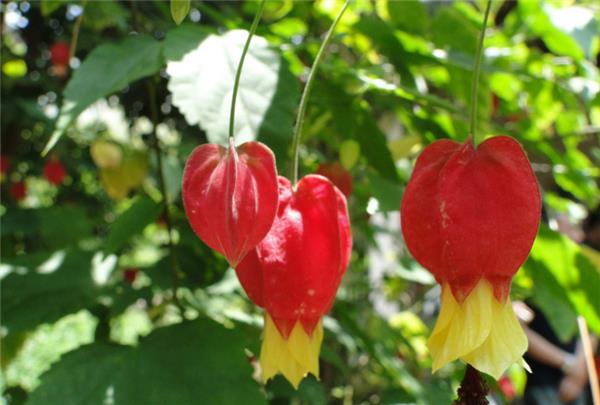
III. Precautions for the fuchsia
1. When the summer temperature exceeds 38°C, metabolism is slow, and the growth of the fuchsia is in a stagnant state. At this time, leaf drop and root rot often occur. If effective measures are not taken, it can cause the death of the whole plant.
2. In winter, the minimum temperature in the greenhouse should be maintained at 10°C. At a low temperature of 5°C, it is susceptible to cold damage. The growing room temperature is 10-25°C, and relatively high air humidity is required.
Prevent rain exposure. Summer is a rainy season. Before it rains, place the potted plants in a rain-sheltered place. If a thunderstorm comes and there is no time to move the flower pots, promptly pour out the accumulated water in the pots. If the inside of the pot is still too wet at this time, burned charcoal fragments can be sprinkled on the surface of the potting soil to evaporate part of the excess water. If the moisture in the potting soil cannot evaporate for a long time and the potting soil is too wet, it can also easily lead to leaf drop and root rot, causing the death of the whole plant.
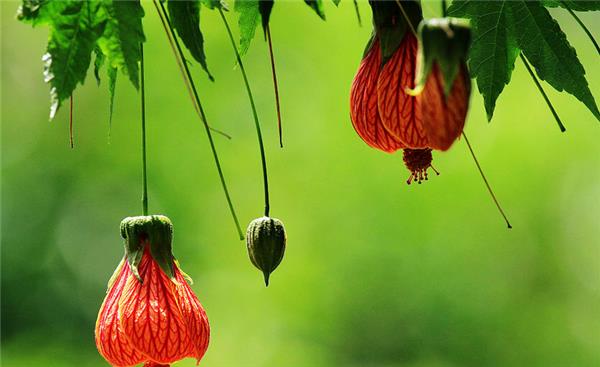
The inverted golden hook likes a cool and humid environment, fears high temperatures and strong light, and is suitable for fertile, loose, slightly acidic soil. In winter, it requires warmth and humidity, sufficient sunlight, and air circulation; in summer, it requires a dry, cool, and semi-shaded condition.