How to prune Aglaia odorata? Learn the correct pruning method
When I was in school, I learned a song: In front of the teacher's window there is a pot of Aglaia odorata, small yellow flowers hidden among the green leaves, it does not bloom to compete for spring, silently spreading its fragrance through people's hearts... Whenever I see Aglaia odorata, I think of teachers, and of the relatives and friends who quietly give so much during our growth. So I have a special fondness for Aglaia odorata. Today I would like to share with you:
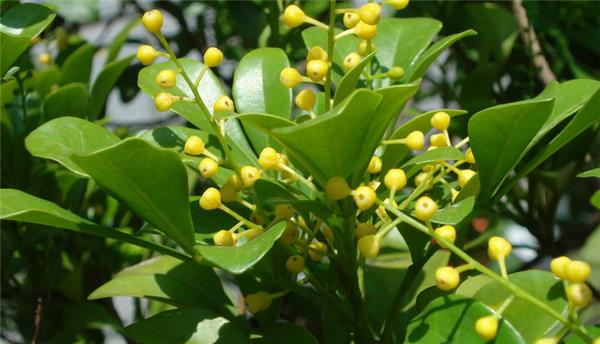
I. Pruning methods for Aglaia odorata
Spring is a good time to prune Aglaia odorata; summer is not very suitable because of the high temperatures. Pruning should be done outdoors. Cut off dead branches, diseased and pest-infested branches, and thin, weak, overly dense branches to improve ventilation and light penetration. During the growing season, pruning is generally not needed; when the tree's growth is unbalanced, long branches can be shortened.
Aglaia odorata should be pruned and shaped starting from the seedling stage, keeping a trunk section 15-20 cm tall, and pruning the branching parts above 15 cm on the trunk so that the plant's form becomes full. The lower branches of perennial old plants often age and die; in this case, a short pruning is needed once every other year during the hot season to encourage new branches to sprout from the lower part of the main branches.
When the plant grows too tall to be in proportion with its display space, the overly tall branches can be shortened. This can also be combined with propagation by using the "air layering method" (using wire to bend and shape overly long and tall branches and compress them to the lowest position) to dwarf the plant; Aglaia odorata looks better when it grows horizontally. When buds are forming, appropriately remove the terminal buds and flower buds. During the high temperatures of summer, pruning is generally not advisable.
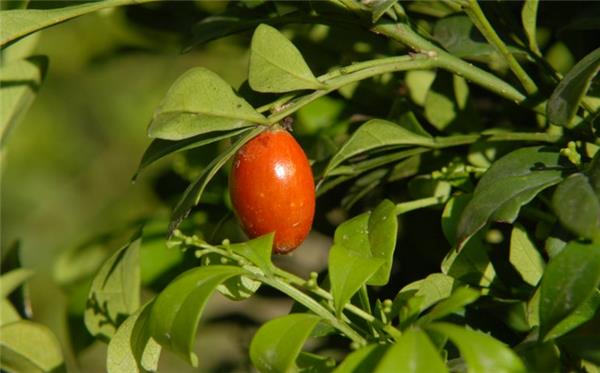
II. Overwintering management of Aglaia odorata
Aglaia odorata is native to the tropics and is not tolerant of low temperatures. Generally, from Frost's Descent to the Beginning of Winter, it should be moved indoors and placed on a sunny windowsill or tabletop, with the indoor temperature kept at 8-10°C, preferably not lower than 5°C. If the temperature is too high, tender shoots will grow, reducing its adaptability and cold resistance. The plant should not be placed near a stove or kitchen counter; using a plastic cover can regulate temperature and humidity, but one or two slits need to be cut at the top of the cover to prevent excessive temperature and humidity from affecting normal growth.
When the potting soil is dry, water it a little, but do not fertilize. If the weather changes suddenly and the indoor temperature drops below 5°C, special warmth-keeping measures should be taken, such as moving the potted plant under a table at night, hanging a cloth curtain over the table, and placing a straw mat underneath for warmth; you can also slip a plastic bag over the pot and plant, then the next day after the sun comes out, remove the covering curtain and move the potted plant back from under the table to its original place. In the place where Aglaia odorata is kept, it is not advisable to open windows for ventilation, so as to avoid cold wind damaging the plant.
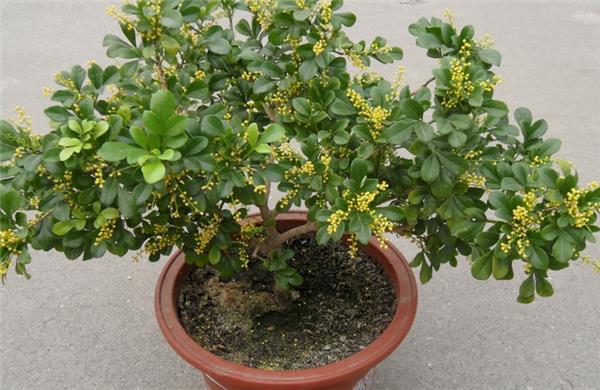
III. How to grow Aglaia odorata:
Aglaia odorata is a subtropical tree species. It likes a mild and humid climate. It is often planted with peat, leaf mold plus coarse sandy soil. At home, you can use half (old) clivia soil and half plain coarse sandy soil mixed together as the growing medium. The pot should not be too large, and no alkaline fertilizer should be added to the soil; a drainage layer should be placed at the bottom of the pot. After the seedlings are planted, first keep them under deep shade. In dry weather, spray water daily on the leaves and the ground around them to keep the environment moist. After new leaves grow, move them to partial shade, and later gradually acclimate them to strong light; then the flowers will be more fragrant. For flower seedlings potted in spring, start top-dressing around the Beginning of Autumn, preferably with a thin organic liquid fertilizer.
From the second year onward, during the peak growing season, apply organic liquid fertilizer once every 20 days. If it can be applied alternately with a mixed solution of 0.1% urea and 0.2% potassium dihydrogen phosphate, the flowers and leaves will appear even more luxuriant. The potting soil should be kept moist at all times; be careful not to miss watering and let it dry out, but do not let it stay waterlogged and wet for long either. If kept indoors, increase ventilation and rotate it outdoors about every 15 days. When moved indoors in winter, it needs sufficient sunlight, and the minimum room temperature must not be lower than 8°C. Control water and stop fertilizing, and at the same time pay attention to opening and closing doors and windows to avoid direct cold drafts and smoke and dust pollution. Prevent damage from scale insects and sooty mold. In North China, after the dry winds from late April to early May have passed, move it outdoors again for care. Aglaia odorata can be repotted once every two years.
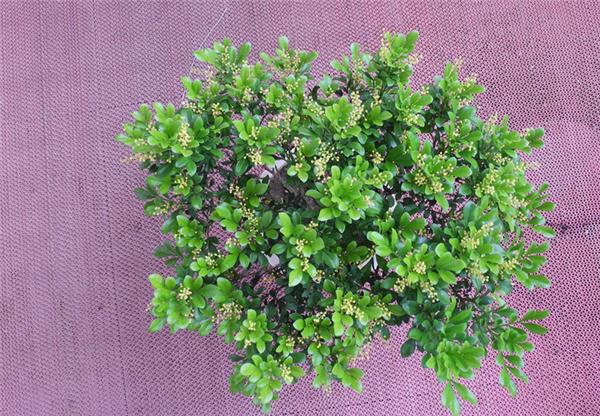
Aglaia odorata is a flowering plant that people love; when in bloom, its fragrance is striking. As an edible flower, it can be used to extract essence, such as Aglaia odorata flower tea. Potted Aglaia odorata can be displayed in the living room, study, and porch, fresh and elegant, soothing to body and mind. In southern courtyards, Aglaia odorata is also an excellent landscape tree.