What Is the Pansy Flower? A Detailed Guide to Pansy Flower Cultivation Methods
The name "pansy face" makes it hard to imagine the form of this flower, but if you look carefully, you really can find traces of a cat's face in its corolla. Its stamens in particular look just like a closed cat's mouth. Let's get to know this flower together below.
I. What Is the Pansy Flower
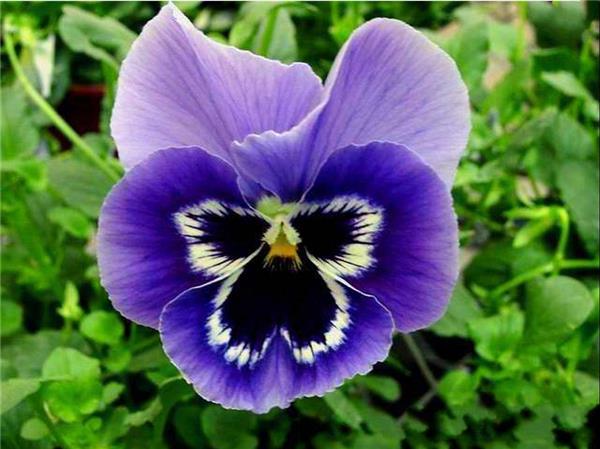
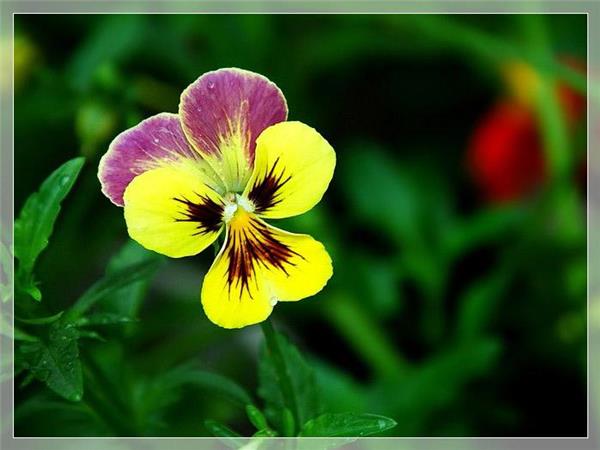
The pansy, also known as butterfly flower, tricolor violet, and face flower, is a biennial herbaceous flower of the genus Viola in the family Violaceae, often cultivated as an annual. The stem is generally about 20 cm tall, with branches growing from the root crown in a clumping habit. In early spring, flower stalks emerge from the leaf axils, each bearing a single flower 3-6 cm in diameter, with five nearly round petals arranged in an overlapping, tile-like pattern. Three colors are distributed symmetrically across the five petals, forming a pattern that resembles a cat's face. It is native to Europe. It is relatively cold-tolerant, prefers cool conditions, tolerates partial shade, and fears summer heat.
II. Uses and Benefits of the Pansy
1. The pansy is the national flower of Poland and Iceland.
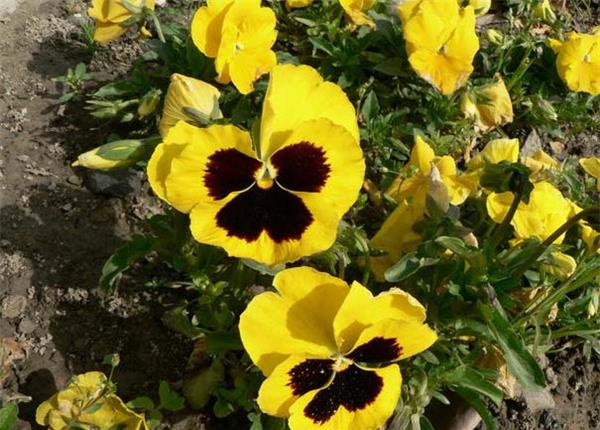
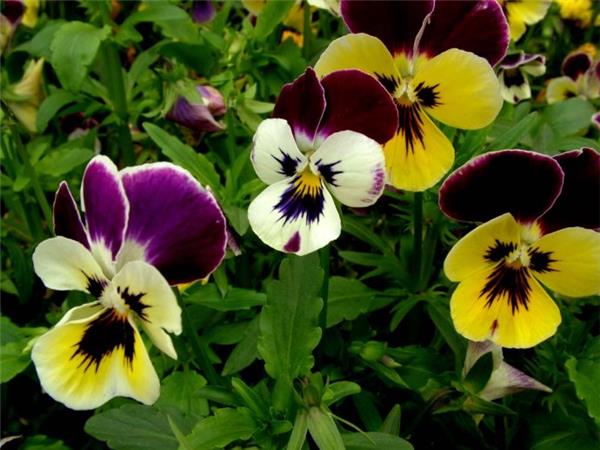
2. The pansy is one of the main flowers for laying out spring flower beds. Because three colors are distributed symmetrically across the five petals, forming a pattern that resembles a cat's two ears, two cheeks, and a mouth, it is called "cat face." And because the whole flower sways in the wind like a fluttering butterfly, it also has the alias "butterfly flower." Through natural hybridization and artificial selection, pansies now come in a fairly wide range of colors and varieties. Besides those with three colors in one flower, there are also pure white, pure yellow, pure purple, purple-black, and mixed colors of purple, red, blue, yellow, and white. In terms of flower shape, there are large-flowered forms, forms with wavy petal edges, and double-flowered forms. The pansy is an excellent flower bed material for winter and spring, because it has strong adaptability and tolerates extensive management, and it can also be grown in pots for people to enjoy.
3. The whole plant of the pansy can be used as medicine; the stems and leaves contain violanin, and the flowers contain rutin, etc., and it is mainly used to treat coughs.
III. Propagation Methods of the Pansy
Sowing: Pansies are mostly propagated by sowing, and in greenhouse cultivation they can be sown in all four seasons. To preserve the characteristics of superior varieties, they can also be propagated by cuttings in early summer. Seeds from the current year have a high germination rate, while old seeds have a low germination rate. The suitable temperature for seed germination is 15-20 C. Sow in September and they will bloom in early spring.
Cuttings: Cuttings can be taken from March to July, with early summer being the best. Generally, short shoots sprouting from the central root crown of the plant are cut as cuttings; flowering branches cannot be used as cuttings. After cutting, roots form in about 2-3 weeks.
IV. Daily Care of the Pansy
1. The sowing time is determined by when the flowers are needed. Prepare the ground well, water it thoroughly, and after the water has soaked in, sow the seeds evenly, then cover with fine loess to a soil depth of 5-8 mm; if too deep, they will not come up. Cover the soil with grass to preserve moisture, check once every 3-5 days, and spray water if moisture is lacking. When 5 leaves have grown, transplant them. The spacing between plants and rows is about 20 cm. Before the ground freezes, cover with horse manure and grass fertilizer to prevent them from freezing to death. After Awakening of Insects, remove the cold-protection material, water them, and pot them up using the mud-dipping planting method, which helps them recover quickly. After that, water promptly to keep the potting soil moist. Apply fertilizer water twice during the entire growing period, and they will bloom well.
2. After flowering, capsules form. When the fruit matures it splits open and the seeds are ejected, making the seeds hard to collect. If you want to collect seeds, watch for when the capsule turns yellow (by then the seeds are already mature) and pick it then, remove the fruit skin, and dry it in the shade for storage; do not expose it to the sun. Use it for sowing in stages.
After reading the introduction above, do you now have a deeper understanding of the pansy? This cute-looking flower with many uses is very suitable for growing; it can bring people joy of body and mind and can also be used to decorate the home.