How to grow Aglaia odorata (Chinese perfume plant)? Growing methods and precautions
The waves of delicate fragrance when Aglaia odorata blooms make people stop in their tracks, and we want the scent of Aglaia odorata to linger around us even longer. But we may wonder: is the richly fragrant Aglaia odorata suitable for keeping indoors? What precautions should be taken when growing Aglaia odorata?
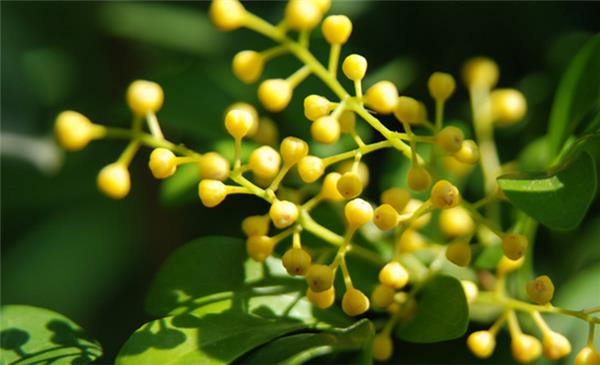
I. Growing methods for Aglaia odorata
Temperature: The temperature suitable for the growth of Aglaia odorata is 20°C to 25°C. Generally this temperature is used as the standard, and when its flowering period arrives, if the temperature is kept at around 30°C, the flowers it produces will carry a strong fragrance.
Fertilizing: Aglaia odorata rather likes fertilizer, but more liquid fertilizer containing plenty of phosphorus should be applied. It is best to apply alum fertilizer water made by soaking crushed bone meal, fish bones, chicken bones and the like until decomposed, and regularly supplement with chemical fertilizers containing more phosphorus or fermented rice-washing water, etc.
Pot and soil: For growing Aglaia odorata, a clay pot is generally used, and for the soil you can choose loose soil with good drainage and aeration, such as a culture soil based mainly on leaf mold. As for repotting, it can be done once every one or two years, and at other times there is no need to pay much attention to the pot and soil.
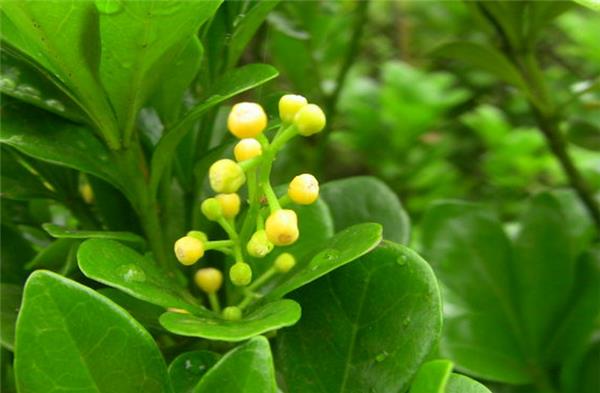
II. Precautions for growing Aglaia odorata
Although Aglaia odorata is very suitable for indoor decoration, it cannot be kept indoors for a long time. Aglaia odorata is a sun-loving flower and likes ample sunlight. Only in an environment with sufficient light, sufficient fertilizer and good ventilation can it grow robustly, bloom frequently, have a long flowering period and a rich fragrance, and indoors these conditions are not available.
Keeping it indoors for a long time will also cause Aglaia odorata to grow poorly, fail to bloom, become prone to damage by diseases and pests, and even die. We should regularly move Aglaia odorata outdoors to get more sun and receive the sunshine.
Aglaia odorata is afraid of cold. In winter, it should be brought indoors to keep warm, and at noon when the temperature rises and the sun is bright, it should be placed in a spot with plenty of sunlight. Below 12°C, Aglaia odorata enters a dormant period and stops growing; at this time, fertilizing should be stopped and watering reduced.
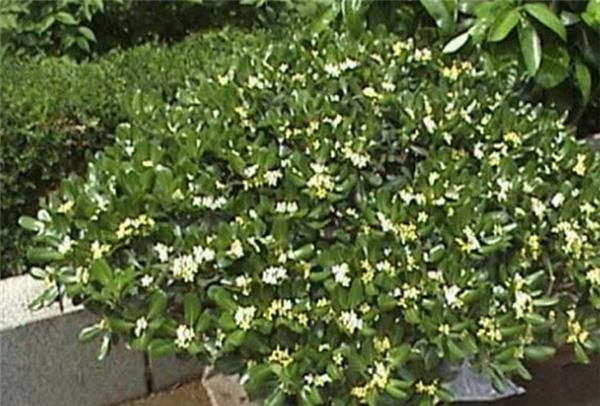
III. Prevention and control of diseases and pests of Aglaia odorata
The main diseases of Aglaia odorata include stem rot, anthracnose, Aglaia odorata yellowing, etc.; the main pests include white wax cicada, aphids, red spiders, scale insects, etc.
Stem rot: If the plant develops stem rot, in the early stage of the disease promptly apply 0.5%-1% Bordeaux mixture or 70% thiophanate 800-fold solution to the branches and trunk.
Anthracnose: Anthracnose is the main disease that Aglaia odorata is prone to infection by, and it often breaks out from June to October. Diseased leaves gradually turn brown starting from the leaf tip and leaf edge. If the petioles and stems are infected by this pathogen, they will also gradually turn brown.
To prevent and control this pathogen, after discovering diseased branches and leaves, promptly cut off the diseased parts, cut off the source of infection, and then improve ventilation conditions.
Having introduced so much knowledge about Aglaia odorata, everyone now has a certain understanding of it. When growing Aglaia odorata, pay attention to growing techniques and methods. Aglaia odorata is a non-toxic flowering plant; placed indoors it can purify the air and decorate the home, but it should still be allowed to bathe in sunlight more often, so that Aglaia odorata can grow normally and we can also smell its rich floral fragrance.