How to plant bellflowers? A step-by-step guide to the planting method
Campanula, also called bellflower, gets its name because its flowers resemble wind chimes. There are currently more than 200 species, such as Campanula punctata and Campanula punctata 'Rubriflora', suitable for growing in the northern temperate zone and more commonly seen in Europe, where the plants are cultivated for ornamental purposes. Its branches are thick and sturdy, the stems are slender and creep horizontally, the leaves are alternate, and the basal leaves are generally in a rosette form. The individual flowers form umbel-like clusters or panicles, and the flower colors are mainly blue, white and so on, fresh and elegant. So what is the planting method for bellflowers?
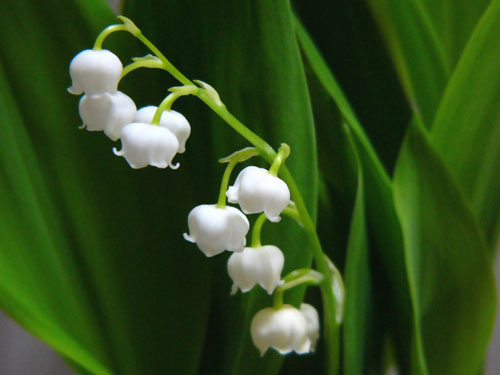
Key points for planting bellflowers:
Suitable growing temperature: 5-20°C. Plant out from early to mid-September, with a bed width of 50cm and a plant spacing of 25cm in a single row. Alternatively, grow in pots using 6-7 inch pots and overwinter them in a cold frame. Fertile neutral soil is best. In spring of the following year, when the buds sprout, apply a balanced fertilizer (NPK) appropriately. Apply a complete compound fertilizer 3-5 times. During the growing period, keep the potting soil moist and apply a well-rotted dilute liquid fertilizer once a month. For potted plants, repot once every spring and cut back all the branches to encourage side shoots and produce more flowers. Propagation can be done by cuttings or air layering, mostly in spring and autumn.
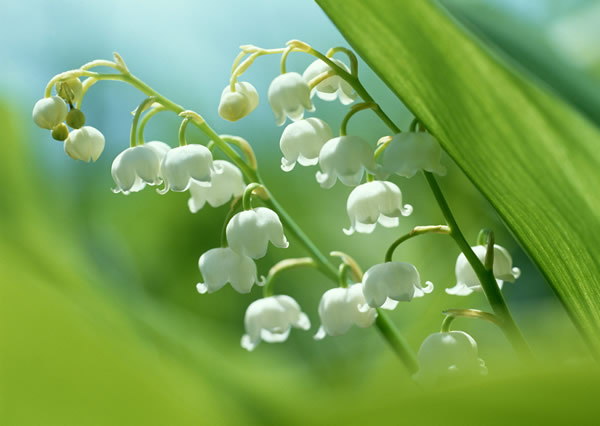
The flower language of bellflowers:
In memory of Saint Parnus, the archbishop of Canterbury in 5th-century Italy, whose artistic talent created many beautiful poems for people. Therefore, the flower language of this flower is creativity. Anyone born under the blessing of this flower inherently possesses outstanding creativity, and thus has an appealing artistic temperament, with an independent personality that does not like to rely on others.
Common pest and disease control for bellflowers
When new leaves first sprout each spring, bellflowers are easily attacked by leaf spot disease and the like. For leaf spot disease, use 50% carbendazim powder at 600 times dilution and 70% thiophanate-methyl powder at 800 times dilution alternately as a spray for control. For pests, use Wanling powder at 1000 times dilution and omethoate at 800 times dilution alternately as a spray for control. Spray once every 7-10 days, and 3-4 consecutive sprays will achieve good control results.
Landscape applications
When the pods split open, they curl back heavily in multiple layers, splitting downward; the seeds have thin wings and many fine hairs to help with seed dispersal. The golden trumpet tree (Tabebuia chrysantha) displays different appearances through the four seasons: in spring the branches are sparse and the leaves are few, as it pours out beautiful blooms; in summer it grows leaves and forms seed pods; in autumn the branches and leaves are lush, presenting a scene of vibrant green; in winter it sheds all its leaves, showing a desolate beauty.
The uses of bellflowers
1. Appreciation
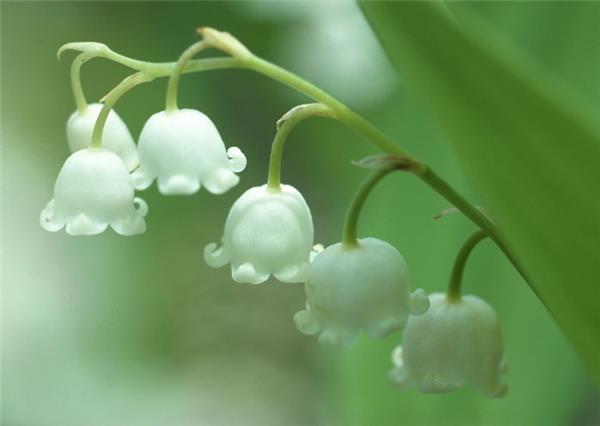
Campanula is often planted at the edges of flower beds, courtyards or gardens. Its unique flower shape, bright, clean, pure and elegant flower colors, and the sight of a large patch in full bloom are especially beautiful, making people feel cheerful and happy.
2. Decoration
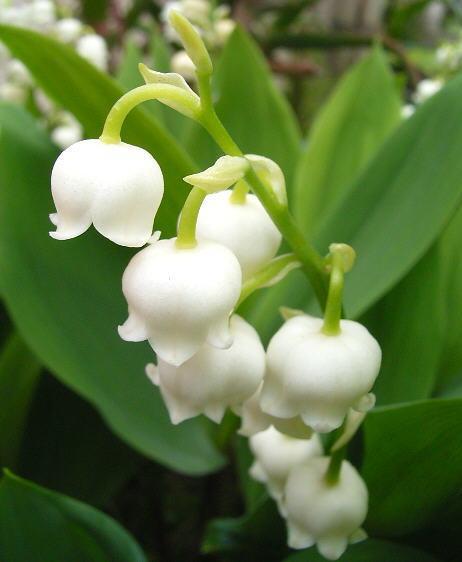
With its cute, elegant flower shape, campanula placed indoors in a pot can create a distinctive decorative effect. Of course, it can also be combined with other plants and flowers such as sunflowers, ivy and so on to create a thriving, joyful atmosphere full of vitality. Purple campanula, combined with delphinium, lilies and asparagus fern, expresses a gentle and graceful temperament.
3. Medicinal use
The whole campanula plant can be used to make medicine. It is harvested in summer and autumn, the soil is washed off, and after chopping it up it is dried in the sun. Its taste is bitter and cool, and it can clear heat and detoxify and relieve pain, and is used to treat symptoms such as pharyngitis and headache.