What plant is the qiuzi? Its uses and benefits
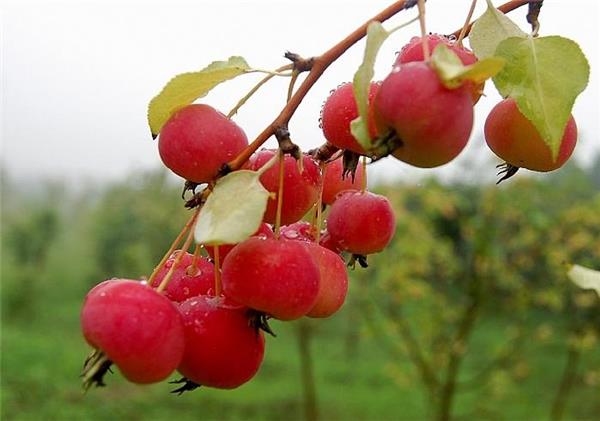
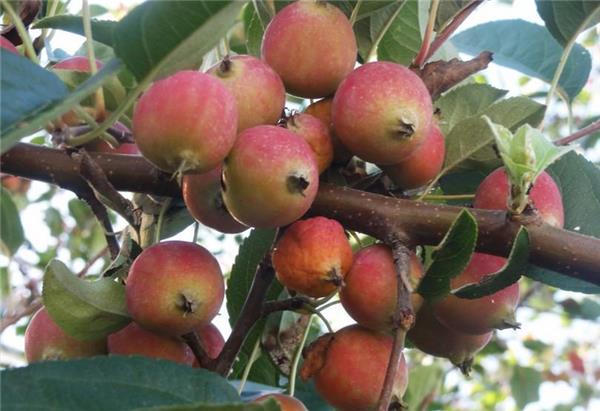
When people mention the qiuzi, is the first thing that comes to mind the "qiuzi walnuts" that people roll in their hands for fun? In fact, the qiuzi is also a plant, namely what we usually call the crabapple fruit, and the qiuzi introduced here is the crabapple fruit.
I. The medicinal value of the qiuzi
1. According to nutrition experts' analysis, the nutrient content of the qiuzi (per 100 grams): calories (kcal) 73, carotene (mcg) 710, potassium (mg) 263, vitamin A (mcg) 118, vitamin C (mg) 20, carbohydrates (g) 19.2, phosphorus (mg) 16, calcium (mg) 15, magnesium (mg) 13, dietary fiber (g) 1.8, sodium (mg) 0.6, iron (mg) 0.4, protein (g) 0.3, vitamin E (mg) 0.25, fat (g) 0.2, niacin (mg) 0.2, manganese (mg) 0.11, copper (mg) 0.11, vitamin B1 (mg) 0.05, zinc (mg) 0.04, vitamin B2 (mg) 0.03
2. The qiuzi can be used as medicine; it can dispel wind-dampness, calm the liver and relax the sinews, and is mainly used to treat rheumatic pain,
muscle cramps caused by edema of beriberi, vomiting and diarrhea, female infertility, urinary tract infections and other conditions.
The qiuzi is neutral in nature and sweet with a slight sour taste; it enters the spleen and stomach meridians. It has the benefits of promoting fluid production and quenching thirst, and strengthening the spleen and stopping diarrhea. It is mainly used to treat indigestion, abdominal distension from food accumulation, enteritis with diarrhea, and hemorrhoids and other conditions.
"Yinshan Zhengyao": "Sour and sweet, neutral, non-toxic; treats diarrhea and dysentery."
"Shiwu Bencao": "Sour, sweet, neutral, non-toxic. Eating it can treat diarrhea and dysentery."
"Bencao Gangmu": "Sour, sweet, neutral, non-toxic. Mainly treats diarrhea and dysentery."
3. Suitable population: generally everyone can eat it. Crabapple is sour in taste, so patients with gastric ulcers and excessive stomach acid should avoid eating it.
II. The effects of the qiuzi
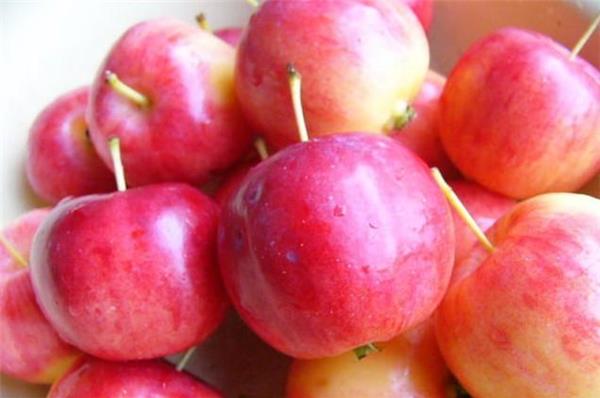
1. Astringing the intestines and stopping dysentery: Crabapple is sweet with a slight sour taste. Sweetness can moderate the middle, and sourness can astringe. It has the functions of astringing and stopping diarrhea, and harmonizing the middle and stopping dysentery. It can treat diarrhea and dysentery, loose stools and other conditions.
2. Supplementing nutrition: Crabapple contains a large amount of nutrients essential to the human body, such as sugars, multiple vitamins, organic acids, etc. It can supply the body with nutrients and improve the body's immunity.
3. Promoting fluid production and quenching thirst: Crabapple contains sugars, multiple vitamins and organic acids, which can help replenish the intracellular fluid of the human body, thereby having the effect of promoting fluid production and quenching thirst.
4. Strengthening the spleen and stimulating appetite: The qiuzi is relatively rich in vitamins, organic acids and protein content, and can help the stomach and intestines digest food and drink, so it can be used to treat indigestion and abdominal distension from food accumulation.
5. Edible value: Besides being eaten raw, the fruit can be used to make wine, candied fruit, jam, fruit vinegar, fruit wine, and fruit leather. The eight-ridged qiuzi can also be cut open and dried into crabapple chips with 30% moisture content, which can be stored for up to 3 years for further processing into snack foods. Soaking crabapple chips in water with sucrose makes a sweet-and-sour drink with a rich fresh crabapple aroma; it is cooling and reduces internal heat, strengthens the spleen and stimulates appetite, and has very good dietary therapeutic and health benefits.
III. How to eat the qiuzi
Dried scallop qiuzi
Preparation method:
1. Soak the dried scallops in water for 30 minutes first, then drain the water, steam over high heat for 40 minutes, take them out, let them cool, and tear into shreds for later use.
2. After washing the shrimp and removing the intestinal mud, add the diced hind leg pork, cornstarch and salt, mix and beat by hand until sticky, then add all the remaining filling ingredients and seasonings and stir together evenly; this is the filling.
3. Divide the filling into 12 portions. Wrap 1 portion of filling in each small yellow wrapper. Use the thumb and index finger to gather and pinch the shumai closed at the top. Slightly flatten the filling on top with your hand, then place in a steamer and steam over high heat for 8 minutes to finish.
Green sand qiuzi
Ingredients: 500 g glutinous rice flour, 400 g mung bean paste, 150 g indica rice flour (dry, fine), 150 g ham sausage, 20 g soybean flour, 200 g white sugar.
Preparation method:
1. Put the glutinous rice flour and rice flour into a basin at a ratio of 4:1, add an appropriate amount of clean water, and knead into a dough. Roll into strips and cut into sections, then roll into wrappers with a rolling pin.
2. Then flatten and wrap with mung bean paste filling, and roll into round balls. Make a small hole in the middle, insert a small handle made of ham sausage into the hole, shaping it like a raw qiuzi. After steaming in a steamer until cooked, sprinkle with soybean flour and white sugar, and it is done.

After reading the introduction above, do you no longer associate the qiuzi only with "qiuzi walnuts"? In fact, because there are too many plant species, many different plants share the same name. For example, the name "Black Beauty" is shared by some varieties of roses, watermelons, orchids and so on.