What to Do When a Goldfish Plant Drops Its Leaves? Causes and Solutions
The goldfish plant, also called the goldfish flower, is a herbaceous plant with tender green leaves and a lip-shaped corolla that is swollen at the lower part. It tends to drop leaves when placed outdoors, so it is better suited to indoor growing. The goldfish plant likes a cool, shady and fertile growing environment. Today, the editor will share with you how to fertilize the goldfish plant and what fertilizer to use. What should you do when the goldfish plant drops its leaves?
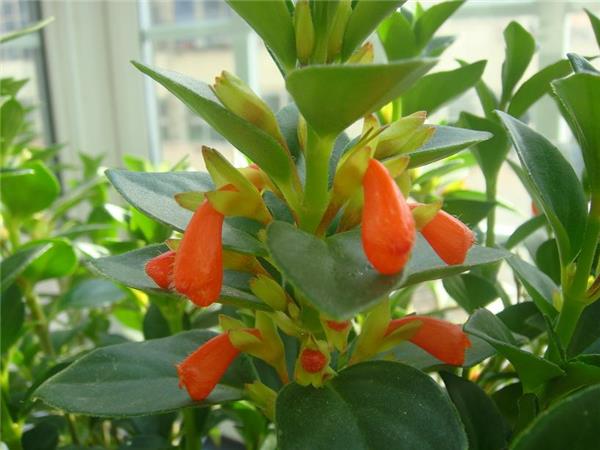
What to Do When a Goldfish Plant Drops Its Leaves
1. It is recommended to find a flower pot and re-insert cuttings, then remove the entire mother plant together with the soil, and gently rinse off the original soil in a water basin or bucket filled with water, being careful not to damage the roots and rootlets, and finally choose another flower pot and replant it. Re-inserting cuttings is for safety's sake; it is estimated that repotting with fresh soil will solve the problem you raised.
2. Water properly. The goldfish plant likes a moist environment, so keep the potting soil moist at all times. In summer, watering should be ample, and around noon and in the evening you should also spray water on the branches and leaves to prevent the leaves from drying out.
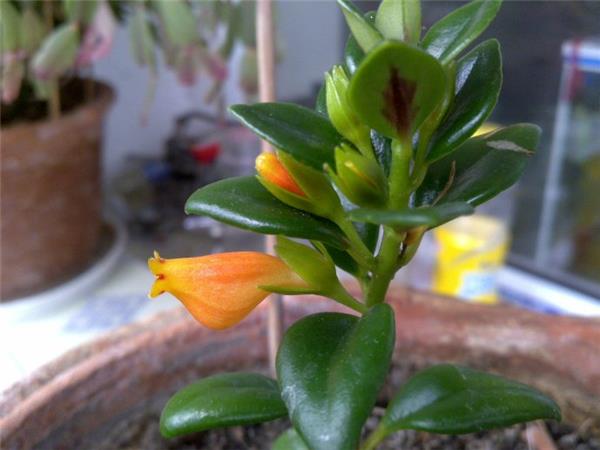
3. Provide proper light. The goldfish plant likes a semi-shady environment. In spring and autumn, avoid direct exposure to strong sunlight. In summer, when the sunlight is especially strong, it should only receive some slanting light in the morning and evening, and 50%-70% of the sunlight should be blocked during the day, otherwise the leaf tips will dry out.
Key Points for Pot Cultivation
Choosing the Pot and Soil
When the goldfish plant is cultivated in a greenhouse, porous flower pots and substrates such as sphagnum moss, fern roots and bark chunks are usually used to facilitate good root drainage and aeration. In a home room, to prevent water from leaking when watering, use a round, attractive pot, choose coarse-grained stones with good drainage to line the bottom of the pot, and then add a small amount of leaf mold mixed with perlite as the growing medium.
Planting Techniques
When planting, paying attention to the selection of flowering branches and the planting position can increase the plant's survival rate and enhance the ornamental effect of the flowers.
Choose several goldfish plant branches with full, plump root systems, plant them evenly in the growing medium around the pot, and make them lean toward the rim of the pot, then fill in more growing medium, and the planting is complete. An appropriate amount of slow-release fertilizer can be added to the potting soil. When the new branches grow to a certain length, they will hang down along the rim around the pot. During the full blooming period, each flowering branch will bear dozens of small orange-red goldfish flowers, and against the green leaves they look like goldfish leaping in blue waves, a sight that lifts the spirits.
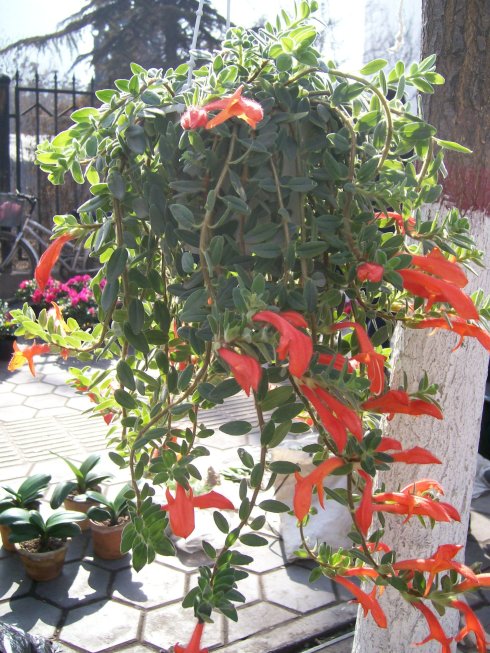
When the new branches grow to a certain length, they can be pinched back, which makes the spreading, drooping plant shape more even and attractive.
Water and Fertilizer Requirements
The goldfish plant is a tropical plant with a relatively high water requirement. In spring, summer and autumn, water it more, and often spray the surrounding ground with clean water; never splash water on the leaves. When temperatures are high in summer, it is best to place the flower pot on a shallow tray filled with water. These measures can all prevent leaf drop caused by dry air. Before the goldfish flower blooms in winter and spring, it should also be watered a little more, which helps the flowers open fully and keeps the flower color bright.
During the growing period, apply a dilute organic fertilizer solution once every 1-2 weeks to make the goldfish plant grow vigorously; before flowering, apply more phosphorus fertilizer to help it form more buds and bloom, enhancing its ornamental effect; do not fertilize while it is flowering, and after the flowers fade, prune and shape the plant and apply more nitrogen-containing fertilizer.
Light and Ventilation
Apart from needing fairly ample sunlight in winter, the goldfish plant needs more shade in the other seasons. In spring, summer and autumn, 60%-70% of the sunlight should be blocked, or it can be hung in a shaded outdoor shed or in a cool, ventilated spot under the shade of a large tree, receiving plenty of scattered light but no direct sunlight. Such an environment is very suitable for its growth. Before the goldfish plant blooms in winter, light should be appropriately increased so that the flowers are abundant and brightly colored.
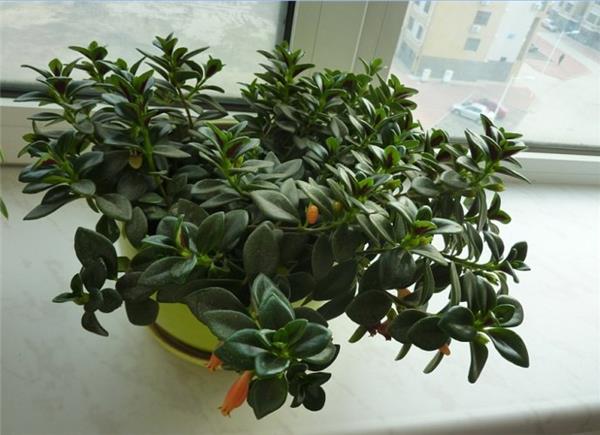
Fertilization Methods for the Goldfish Plant:
1. The goldfish plant likes fertile, loose soil and also likes a slightly acidic growing environment, so extra attention must be paid when fertilizing.
2. During the growing period, apply a liquid fertilizer once every 1-2 weeks to the goldfish plant, and during the peak growth and flowering period, additional phosphorus and potassium fertilizer must be applied.
3. The goldfish plant has a short dormant period in winter, and fertilization can be stopped during this time.