How to Grow Anthurium in Water? A Detailed Guide to Hydroponic Methods
Anthurium is a plant with a fairly strong affinity for water. However, growing it hydroponically is somewhat difficult. A blooming anthurium standing quietly in water, with pure roots below and lively flowers above, makes one feel full of joy and completely relaxed and happy. Among hydroponic foliage plants, growing anthurium in water is relatively more difficult. Root rot is more likely to occur. This is related to the characteristics of the anthurium itself; anthurium roots are aerial roots, and aerial roots are quite sensitive to the aeration of their environment. To grow anthurium well, you must control the frequency of water changes, the volume of water, the dissolved oxygen content in the water, and so on.
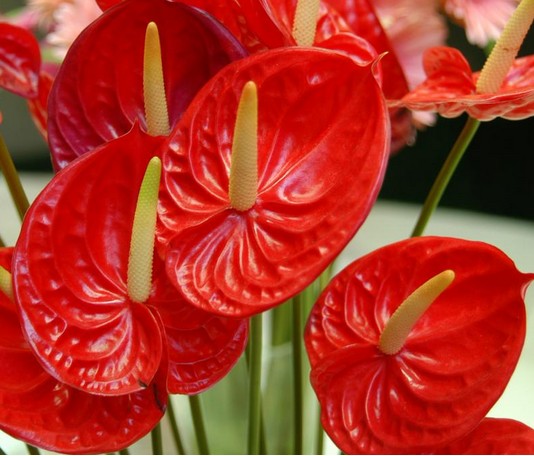
How to Grow Anthurium in Water
Anthurium roots breathe very actively, and placing them directly in water can easily hinder their breathing. The best method is to use a substrate, and the best substrate is clay pebbles. Since anthurium roots are fleshy roots and the leaves emerge from the roots, the usual method of custom orchid mix + stones + easy-care approach does not easily produce small leaves. Clay pebbles, however, are light in texture and provide ample space, making it easy for small leaves to emerge. The anthurium I currently grow hydroponically in my office uses clay pebbles, and it has been growing for 2 years now, with each plant producing 3 to 4 flowers.
To grow anthurium hydroponically with clay pebbles, first wash the roots clean, trim old roots and residual roots, and remove the flowers. Then place the plant into a container. Fill it with clay pebbles, then dilute rooting powder according to the ratio, spray the clay pebbles moist, and be careful not to let too much water accumulate below; if there is too much water, pour it out. After a long wait, you will be pleasantly surprised to find the anthurium's thick, white fleshy roots growing in all directions, all clinging to the edge of the container. At this point, congratulations: a hydroponic anthurium is complete, and all that is left is to regularly add nutrient solution and care for its growth.
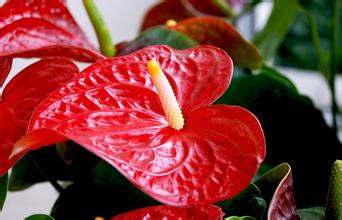
1. A newly hydroponically grown anthurium with clay pebbles does not easily tolerate direct sunlight; just place it in a shaded spot at home.
2. At the beginning of hydroponic growing, do not add nutrient solution; adding rooting powder is best. If you cannot buy rooting powder, leave me a message and I will teach you how to make your own rooting powder; the effect of using B12 is not very obvious.
3. The container for growing anthurium should be slightly larger, preferably wide at the top and narrow at the bottom, V-shaped, and it should also have a certain height.
4. How long can a hydroponic anthurium live? One grown with clay pebbles can live a very long time. Mine has been growing for 2 years and still produces leaves and flowers every year, and I estimate it can live even longer.
5. If you want to grow anthurium hydroponically, it is recommended to use clay pebbles to induce it first, then switch to pure hydroponics. Growing it directly in water is not recommended.
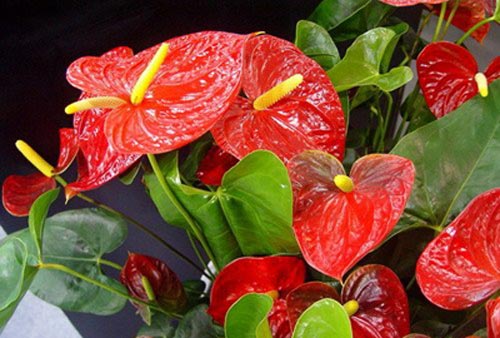
Cultivation Methods and Precautions for Hydroponic Anthurium
Transplanting: Dig the potted anthurium out of the soil, cut off rotten roots, fibrous roots and old leaves, wash the roots clean with fresh water, place them in a potassium permanganate solution to disinfect, then rinse the anthurium again with fresh water. If you grow anthurium hydroponically in a transparent glass container, it is best to cover the outside of the glass with a black plastic bag to block strong light. Cover the top with a transparent convenience bag (to keep warm and retain moisture). Place it in a spot with diffused light, and keep the temperature above 10 degrees.
Water changes: Anthurium roots breathe very actively, so you must change the water regularly, remove the mucus secreted by the anthurium root system and some algae, and cut off old roots and rotten roots. This also helps increase the dissolved oxygen content in the water. Generally, change the water once every 2 or 3 days; in winter, once a week, and add nutrient solution once with each water change.
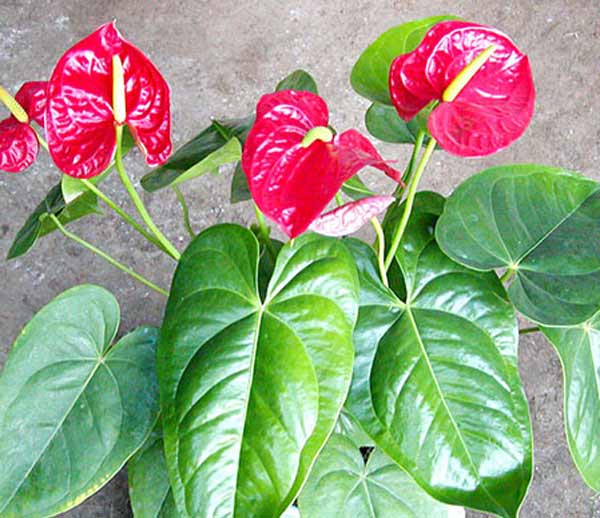
When growing hydroponic anthurium, simply immerse 1/2 of the anthurium root system in water and leave the other roots exposed to the air so that the anthurium roots can breathe. Insufficient dissolved oxygen in the water will cause anthurium root rot.
Light and temperature: Anthurium likes a warm, semi-shaded environment and hates exposure to blazing sunlight. When growing hydroponic anthurium, pay attention to its placement; it is best to put it in a spot that is ventilated and breathable while also avoiding strong light. In summer, the ambient temperature around the hydroponic anthurium should not be higher than 28°C; in winter, the growing temperature for hydroponic anthurium must not be lower than 14°C, and below this temperature the anthurium will suffer cold damage.