How to grow a ponytail palm? A detailed guide to ponytail palm care
In our daily life, growing green plants is a very good choice, as it not only helps us decorate our homes nicely, but also helps us purify the indoor air. This article will introduce the care methods and benefits of the ponytail palm, in the hope that it will help you grow your ponytail palm well.
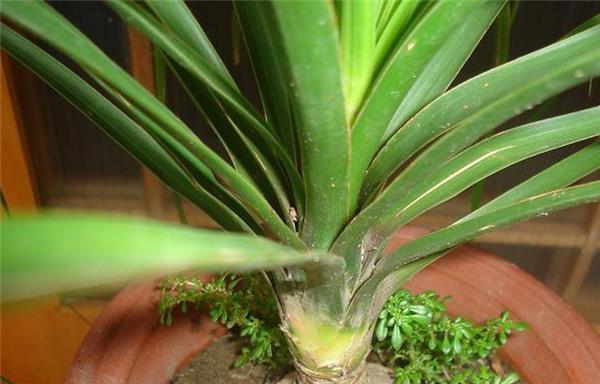
I. How to grow a ponytail palm
Soil: The ponytail palm tolerates poor soil and drought, and the soil must drain well. It grows best in sandy soil containing humus. The growing medium can be made by mixing garden soil, leaf mold and river sand in a 1:2:1 ratio, plus a little plant ash; alternatively, mix fertile garden soil and coal cinders in a 3:1 ratio, then add a little chicken manure or soybean cake.
Temperature: It likes warmth, with 20-28°C being ideal. It can survive high temperatures of 33°C. It is not cold-hardy and stops growing below 13°C. In winter, the temperature should not drop below 10°C, otherwise the base may rot and the plant may die.
Light: The ponytail palm likes light and also tolerates some shade. Insufficient light makes the leaves thin and weak, which is bad for the plant's growth. In spring, winter and autumn it needs plenty of light; in summer it needs more than half shade to prevent the leaves from turning yellow and developing scorched tips. To ensure even lighting and easy shaping, it is best to turn the pot 180° at regular intervals of 4-6 weeks.
Water: It likes moisture, and the surrounding air humidity should be kept at 70-80%, as too low humidity causes the leaves to turn yellow, drop off and lose their gloss, affecting the plant's overall appearance. Because its thick stem stores water easily, it is drought-tolerant and can still grow without watering for 6 months. Watering must be done with good control of moisture; the soil can be slightly dry, but must not become waterlogged, otherwise the roots and stem will rot. Reduce watering in late autumn and winter.
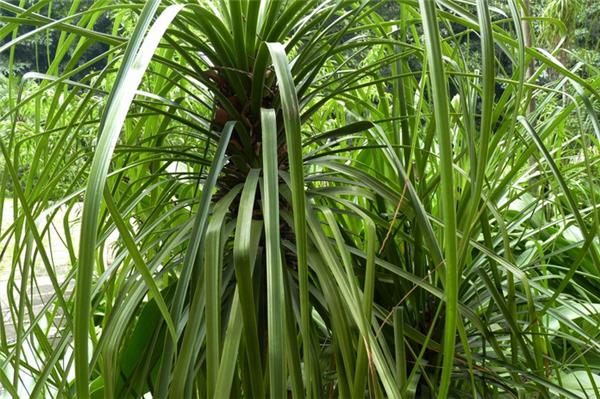
II. Points to note about the ponytail palm
The ponytail palm likes warm, dry, sunny conditions. A fertile, loose sandy loam is best, and it is relatively drought-tolerant. It is easy to grow; repot it every spring, water generously during the growing season from April to October, and fertilize once every half month to encourage the base to swell. In summer, reduce watering and provide appropriate shade. It is very cold-hardy when overwintered indoors; as long as it does not freeze, it will not die of cold.
Propagation is mainly by seed, though cuttings can also be used. In spring, take naturally sprouted side shoots from the mother plant as cuttings, cut them off, let them dry slightly, then insert them into a sand bed and increase the air humidity; they can root in about 15-20 days after insertion.
The main disease and pest problem is leaf spot, which can be prevented by spraying Bordeaux mixture once every half month; pests include stink bugs, whiteflies and scale insects, which can be controlled by spraying a 40% omethoate emulsifiable concentrate at 1000 times dilution.
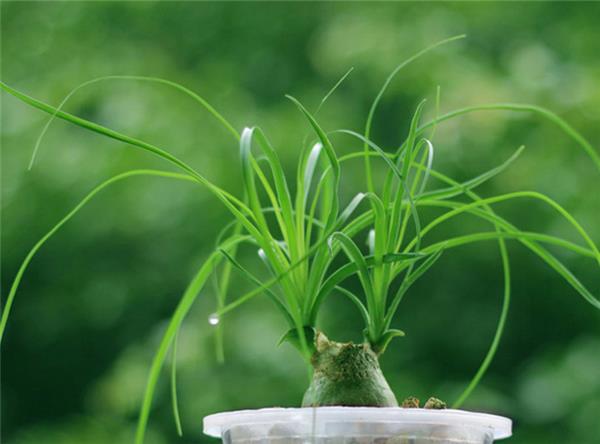
III. Benefits of the ponytail palm
1. Ornamental value
The ponytail palm is a plant grown for both its stem and its foliage. Placing it in a living room or study, or using it to decorate a hotel or meeting venue, gives a fresh and distinctive impression. It can be planted in various sizes for indoor decoration: small plants in exquisite pots placed on a desk or tabletop look elegant and graceful; medium and large potted plants used to decorate halls, meeting rooms and reception rooms are full of tropical charm and very pleasant to admire.
2. Reducing renovation pollution
The ponytail palm belongs to the Agavaceae family and has a notably strong ability to absorb toxic gases from the air. Generally speaking, placing one pot of ponytail palm in a room of about 10 sq m can eliminate 70% of benzene, 50% of formaldehyde and 24% of trichloroethylene, so the ponytail palm has a fairly obvious effect in reducing indoor renovation pollution.
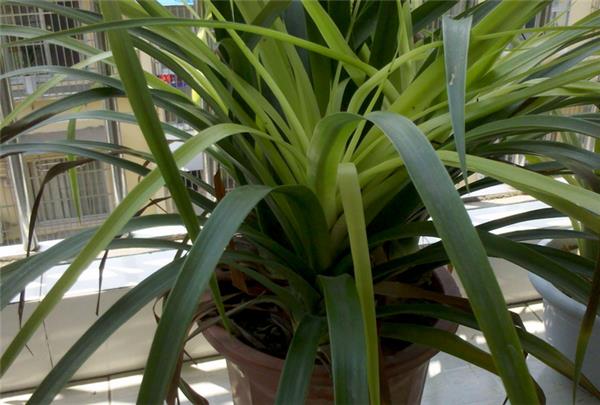
The ponytail palm is a highly distinctive type of foliage plant, and it has great ornamental value as well as the ability to reduce indoor air pollution. Placing a ponytail palm indoors at home is a very good choice.