Detailed Explanation of Flower Cultivation Techniques: How to Grow Flowers Scientifically
Nowadays, whether it is health preservation, diet, or exercise, people emphasize adopting scientific methods, and growing flowers is no different. Scientific flower cultivation techniques will be beneficial to the growth of flowers, while unscientific practices can easily cause flowers to wither and die in their pots.
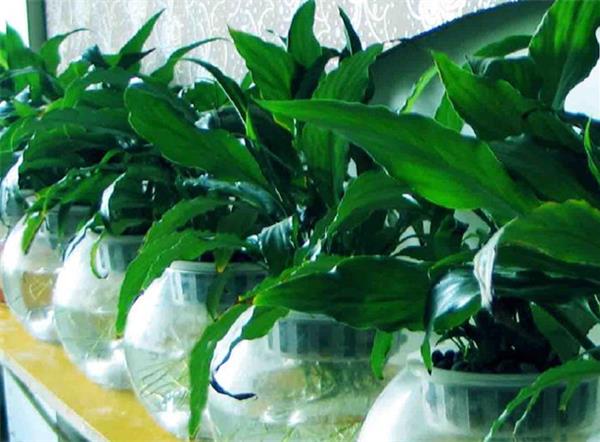 I. How to Grow Flowers Scientifically
Soil: Use soil that is loose, has good drainage and aeration, is rich in humus, and is not too alkaline. For example, surface soil from vegetable plots and forest land, pond mud composted with human manure and urine, and rotted leaf litter and turf are all excellent soil for cultivation.
Water: Water according to the water needs of the flowers, at the right time and in the right amount. Do not water if the soil is not dry; when you water, water thoroughly. In summer, watering in the morning and evening is best; in winter, watering at noon is best.
Fertilizer: Fertilizer should be sufficient. When the leaves have turned pale and growth is weak, that is the best time to fertilize. When growth is vigorous, fertilizer can be applied several times; when growth is slow, apply less. Apply more nitrogen fertilizer during the seedling stage, and more phosphorus fertilizer during the bud stage. Each application should be in the right amount.
Light: You need to know which flowers like strong light and which flowers need only weak light, then determine the planting site for the flowers, and use the length of daylight to control the flowering period.
Temperature: It has a great influence on the growth and flowering habits of flowers. Some flowers need warmth to bloom, such as peach blossoms, magnolias (Magnolia), and tree peonies (Paeonia suffruticosa); while plum blossoms (Prunus mume) prefer to open in the depths of winter.
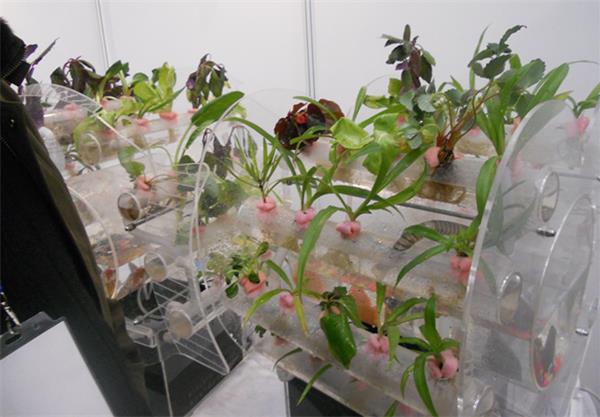
II. How to Prune Flower Branches Correctly
1. Prune late, not early. Some tree species can be pruned in winter, such as crape myrtle (Lagerstroemia indica). After short pruning in winter, the branches may look dry, but once spring arrives, new buds will grow on the short branches. However, there are two situations that will cause winter pruning to fail. First, the tree species is unsuitable: for example, after winter pruning of elm (Ulmus), the cut branches will dry out from water loss during the long, dry winter. Second, the branches are too thin and unsuitable: regardless of the tree species, winter pruning of too-thin branches will inevitably cause the branches to die. In fact, "spring pruning" is better than "winter pruning." Pruning before the trees bud in early spring, when the air humidity is a little higher and new buds will sprout within a relatively short time, avoids the risk of branches drying out.
2. Prune thick, not thin. When branches are short-pruned into branch pads, the length of the branch pads must have been predetermined, assuming that after the work takes shape, the length of the branch pads will not change much. But if the branches forming the pads are thin and tender, they will continue to grow relatively quickly. As a result, the length of several levels of branch pads will greatly exceed the predetermined length, appearing out of proportion. The whole tree will look slender and thin, and this cannot be remedied. Practice has proven that the correct approach is to wait until the branches have become woody and have roughly grown to the predetermined thickness before pruning. In this way, the side branches that grow out will naturally form a better angle.
3. Prune fat branches, not thin ones. Generally, old branches are relatively thick and fleshy, while new branches have not yet grown out, so fat branches should be pruned. Moreover, fat branches absorb nutrients more fully; to avoid uneven nutrition, fat branches should also be removed.
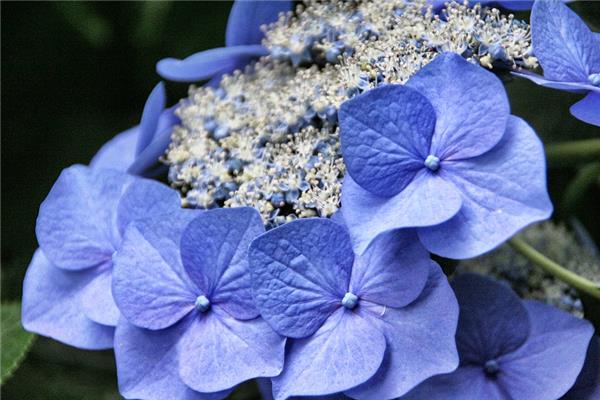
III. How to Change the Alkaline Soil of Potted Flowers
1. First dig out most of the soil from the potted flowers, then add 1.2% ground sulfur powder and mix thoroughly, then put the removed soil back into the flower pot and water thoroughly in time. This will not only make the soil loose and breathable and help with drainage, but also turn the somewhat alkaline soil into acidic soil.
2. Water the somewhat alkaline potting soil with a 0.2% ferrous sulfate solution. After a few days, test the soil with test paper. If it has not yet changed, continue watering until acidic soil is created.
3. You can collect fruit peels such as watermelon rind, apple peel, banana peel, and pear peel, put them in a container, fully submerge the fruit peels in clean water, cover and seal it, and after more than 20 days, the fruit peels will ferment. At this point, you can use this fruit peel solution diluted with 4 times its volume of clean water to water the soil of somewhat alkaline potted flowers, watering once every few days. After watering several times, it will not only turn somewhat alkaline soil into acidic soil, but can also be used as flower fertilizer.
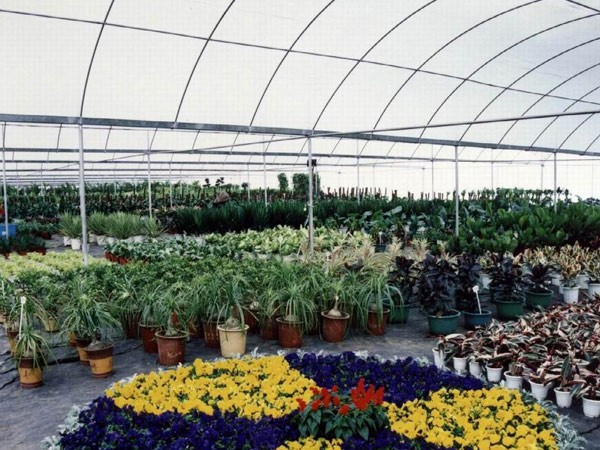
You should know that among the many flowers in nature, apart from a small number that prefer alkaline conditions, most prefer acidic conditions. And soil is the prerequisite for growing all flowers, so scientifically acidifying flower soil is very necessary.