What are the key points for growing greenhouse flowers
Greenhouse flowers refer to those plants that are rather sensitive to cold and cannot tolerate low temperatures. Once the cold season arrives, these plants must be moved indoors or into a greenhouse to survive. Today let's take a look at what conditions are needed for growing greenhouse flowers.
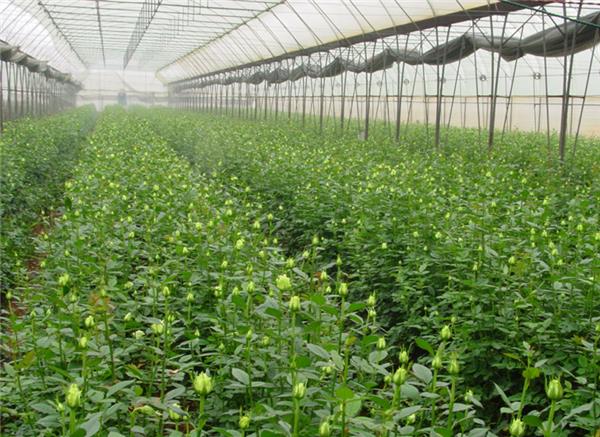
I. What characteristics do greenhouse flowers have
They refer to flowers native to tropical, subtropical and warm southern regions. In cold northern regions they must be cultivated in a greenhouse, or protected over winter in a greenhouse during the winter. They can be divided into the following categories:
1. Annual and biennial flowers. Such as cineraria, calceolaria, etc.
2. Perennial flowers. Such as African daisy, clivia, etc.
3. Bulbous flowers. Such as cyclamen, amaryllis, etc.
4. Orchid family plants. According to their ecological habits they are further divided into terrestrial orchids and epiphytic orchids.
5. Succulent plants: including plants of the cactus family, stonecrop family and other families.
6. Ferns. According to different ornamental uses, they can be further divided into garden landscaping ferns, potted foliage ferns, hanging ferns, and rock bonsai ferns.
7. Carnivorous plants. Such as pitcher plants, pitcher plants (Sarracenia), etc.
8. Bromeliad family plants. Such as billbergia, bromeliads, etc.
9. Palm family plants. Such as fan palm, bamboo palm and other foliage flowers.
10. Flowering shrubs and trees include poinsettia, croton, etc.
11. Aquatic flowers such as Victoria water lily, tropical water lily, etc.
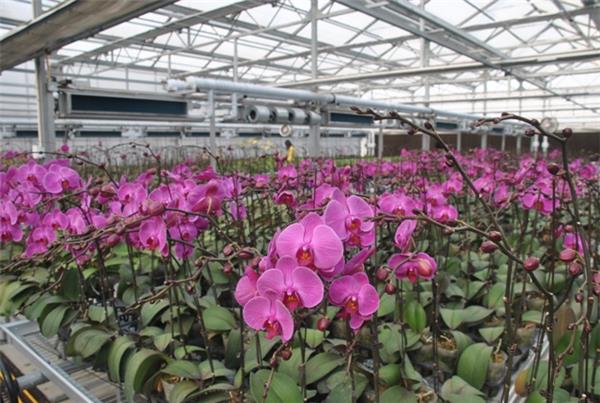
II. What humidity requirements do greenhouse flowers have
Generally speaking, flowers that require high temperatures also have relatively high requirements for air humidity. According to the temperature preferences of flowers, generally flowers in high-temperature greenhouses require a relative humidity of between 80% and 90%, flowers in medium-temperature greenhouses between 70% and 80%, flowers in low-temperature greenhouses between 60% and 70%, and flowers overwintering in cold rooms are best at around 60%.
As for methods of regulating temperature, besides taking its moisture-retaining performance into account when designing the greenhouse, if the greenhouse humidity is too high, windows can be opened at any time for ventilation to lower the indoor humidity. If the greenhouse humidity is too low, water can often be sprinkled on the greenhouse floor to raise the air humidity. In addition, greenhouses with the conditions can install powered spraying equipment so as to regulate the greenhouse humidity at any time.
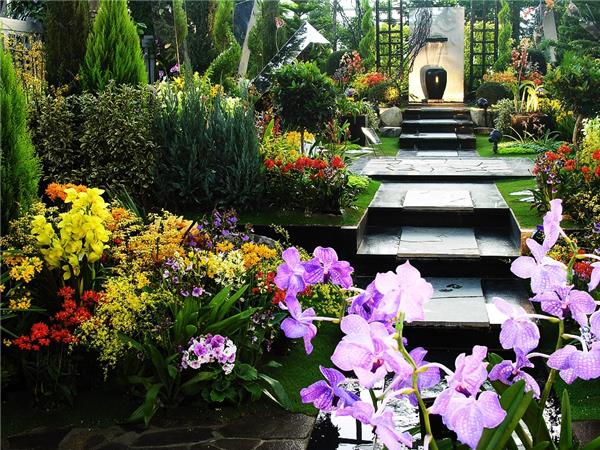
III. Arrangement of potted flowers in the greenhouse
1. In a greenhouse, as the distance from the glass surface increases, the light intensity also weakens. Therefore, light-loving flowers should be placed in the front and middle parts of the greenhouse where light is plentiful, as close as possible to the glass window surface and roof. This is also the main reason for using tiered stands to place potted flowers; shade-tolerant flowers and those with less strict light requirements are placed in the rear part of the greenhouse or in semi-shaded spots.
2. To keep plants from shading each other or shading each other as little as possible, shorter plants should be placed in front and taller ones behind. Near the heat source the temperature is higher, and near the door, because the door is often opened and closed, the temperature also varies greatly. Warmth-loving flowers should be placed near the heat source, and relatively cold-tolerant, robust flowers should be placed near the door and near the side windows.
3. At different stages of growth and development, flowers have different requirements for light, temperature, humidity and other conditions, and their positions should be moved accordingly or they should be switched to another greenhouse. To speed up sowing and cutting, flowers should be placed near a heat source. After rooting and leafing out, they need to be moved to a place with lower temperature and ample sunlight. Dormant plants have less strict requirements for light and temperature, so they can be placed in spots with poorer light and temperature conditions.
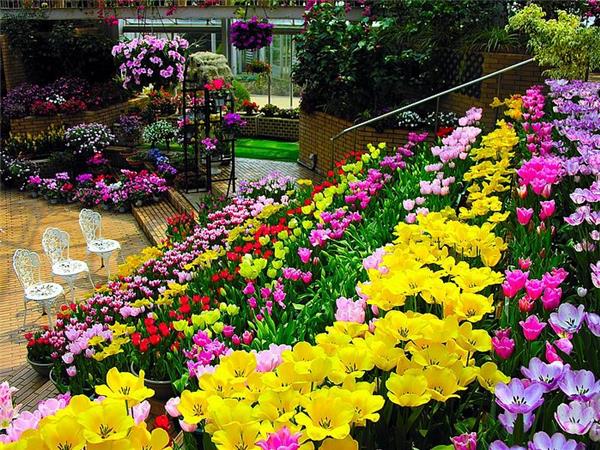
That's all for the related knowledge about greenhouse flowers. Generally speaking, thanks to advances in technology, today's homes can basically meet the demand for constant temperature, so some cultivation techniques for greenhouse flowers can likewise be applied to growing flowers at home.