What are the methods for growing flowers indoors in summer?
There are really a great many things to pay attention to when growing flowers at home. If we were to go through them one by one according to different flower species, we probably could not finish talking about them in several days and nights. So today, here we will mainly introduce some tips on how to grow flowers indoors in summer.
I. The "three suitable" and "two avoid" of growing flowers at home
First, it is suitable to grow flowers with a strong ability to absorb and remove toxins. Flowers can absorb certain concentrations of toxic gases in the air, such as sulfur dioxide, nitrogen oxides, formaldehyde, hydrogen chloride, and so on. Camellia (Camellia japonica) and others absorb sulfur dioxide through their leaves, narcissus (Narcissus) can convert nitrogen gas into proteins in plant cells, and spider plant (Chlorophytum comosum) can absorb indoor pollutants such as formaldehyde.
Second, it is suitable to grow flowers that can secrete bactericides. The bactericides secreted by some flowers can kill certain bacteria in the air and inhibit the growth of the pathogens of tuberculosis and dysentery and of typhoid bacteria.
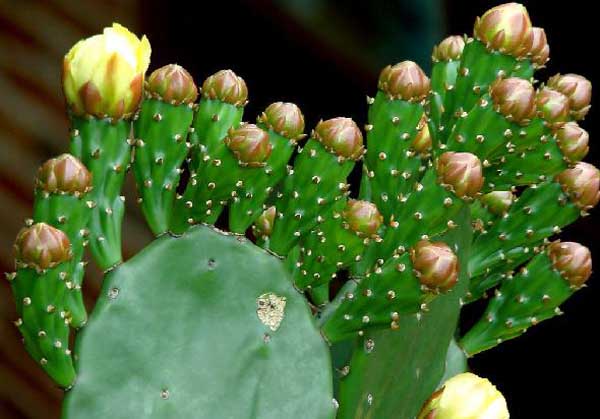
Third, it is suitable to grow flowers with a "complementary" function. Most flowers carry out photosynthesis during the day and absorb carbon dioxide. Cacti are exactly the opposite: they release carbon dioxide during the day, and at night they absorb carbon dioxide and release oxygen. Growing flowers with a "complementary" function in the same room can balance the indoor oxygen and carbon dioxide levels.
First avoid: growing too many flowers that give off strong fragrances and pungent odors. If too many fragrant flowers are placed indoors, especially if they are smelled for a long time in the bedroom, they can cause insomnia.
Second avoid: placing too many of them. At night most flowers release carbon dioxide. If too many flowers are placed indoors, the indoor carbon dioxide concentration will increase, causing oxygen deficiency in the human body and affecting health.
II. Summer flower cultivation methods
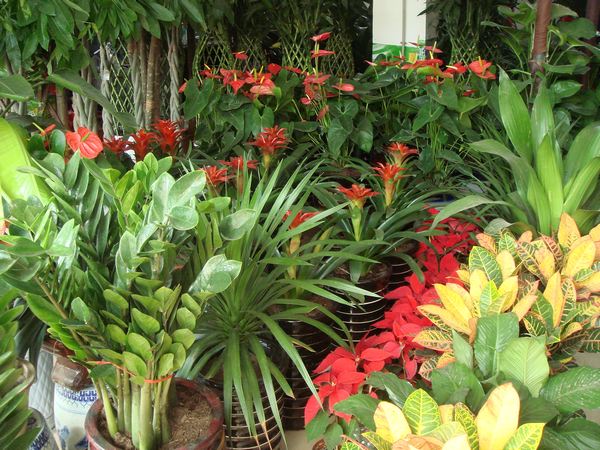
1. Cool them appropriately. Summer is the season of high summer, with the blazing sun like fire, and many flowers cannot adapt to such excessively high temperatures. Even sun-loving flowers need appropriate shading around midday.
2. Water in time. Because summer temperatures are high and water evaporates quickly, watering must be done in time. Watering in summer should also be flexibly controlled according to the weather: on days with a blazing sun it is best to water more, on cloudy days water less, and on rainy days do not water. You should also observe how dry or moist the potting soil is to decide whether to water more, water less, or not water at all.
3. Fertilize in time. But summer fertilizing should also be handled differently according to different flowers... Fertilizer solution should be applied when the soil is relatively dry. Before fertilizing, first loosen the potting soil a little so that the flower roots can fully absorb it. When fertilizing, also avoid letting the fertilizer solution touch the leaves; it is best to do it in the evening.
4. Pruning. Some spring-sown flowers need to be pinched back when they reach a certain height, so as to encourage more branching and more blooming; for some woody flowers, when the current year's branches grow to close to 20 cm, they also need to be pinched back, so that they sprout more new branches and increase the number of flowers.
5. Cuttage and sowing. Summer is a good time for cuttage of evergreen flowers and trees. Some annual herbaceous flowers, such as pansy (Viola tricolor) and cineraria (Pericallis x hybrida), can also be sown in summer; sown in July, they can bloom after National Day.
III. How to obtain organic fertilizer when growing flowers indoors
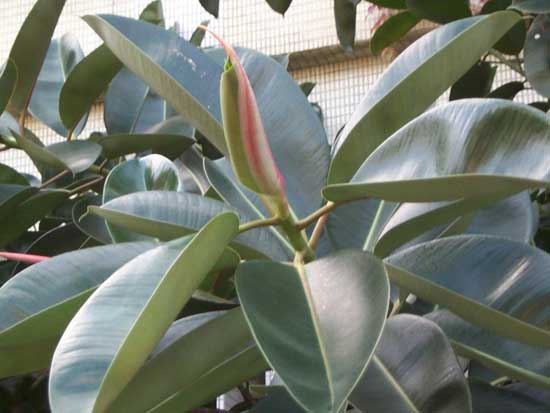
1. Relative to inorganic fertilizers, organic fertilizers refer to those made from the excreta or remains of animals and plants after rotting and fermentation. Their advantages are: they not only contain the three elements necessary for plant growth, nitrogen, phosphorus, and potassium, but also contain other trace elements and some substances beneficial to plant growth.
2. The raw materials of organic fertilizer mainly include: animal-based organic fertilizers such as animal manure, feathers, bones, fish, eggs, and so on. Plant-based organic fertilizers such as soybean cake, fruit peels, vegetable leaves, and so on.
3. For growing flowers at home, even if you live in the city you can still obtain organic fertilizer. A relatively convenient method is to use plastic bottles with small mouths, such as Coke or orange juice bottles, put in all the scraps from everyday cooking such as fish scales, shrimp shells, bean pods, vegetable leaves, and fruit peels, then add water and ferment. In summer it needs 4--5 months to ferment, and generally after about a year it is thoroughly decomposed; dilute with water and it can be used to water flowers.
4. Notes: Do not fill with water too full; leave a certain amount of space. When fermentation begins, release the gas in time; if you cannot do this, then do not screw the bottle cap on tightly. To reduce the smell during fertilizer fermentation, you can put in a few orange peels at the same time. Be sure to use it only after it is thoroughly decomposed.
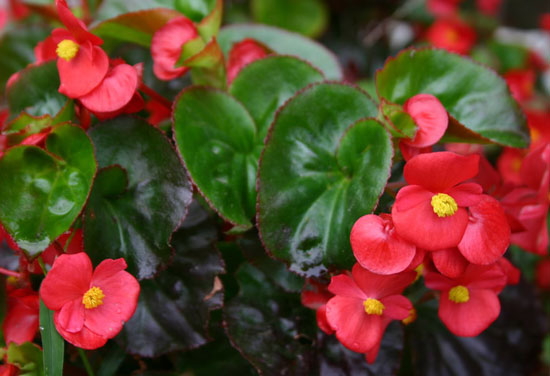
As it is now the hot summer season, for the current season, how to care for flowers under high temperatures is the most important thing, and some flowers that are not suitable for growing indoors should also be resolutely discarded, because in summer the air is dry and has poor circulation, and it is very easy to harm your health by growing the wrong plants.
And some flowers that are not suitable for growing indoors should also be resolutely discarded, because in summer the air is dry and has poor circulation, and it is very easy to harm your health by growing the wrong plants.