How to Grow Peperomia? A Detailed Guide to Peperomia Care Methods
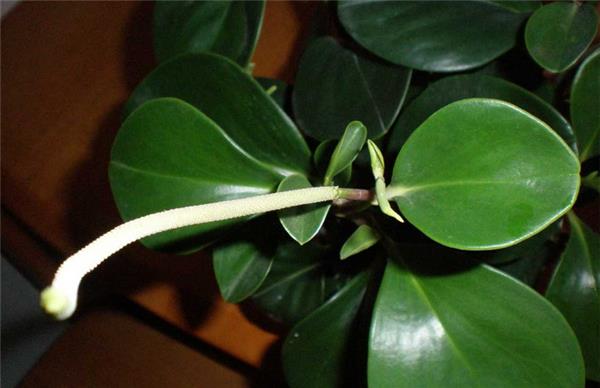
Peperomia, also known as round-leaf peperomia or radiator plant, belongs to the Piperaceae family and is an evergreen plant. This plant is small and lovely, with a height under 30 cm. It is mainly grown for its very beautiful leaves. It is mainly placed indoors by windows, on desks, or on coffee tables. So how do you grow peperomia? Also, can peperomia be grown hydroponically? After reading these peperomia care methods, you will have all the answers.
I. Peperomia Care Methods
1. Substrate: Peperomia likes to grow in loose, fertile, well-drained sandy soil rich in humus, and is not suitable for growing in clay. The substrate mix for peperomia is usually leaf mold, river sand, and a small amount of decomposed organic fertilizer mixed together. A better substrate option is peat soil mixed with perlite.
2. Light: Peperomia likes semi-shade or scattered light. Except in winter when it needs sufficient light, in other seasons it needs a little shading. It is very suitable for growing in offices, where incandescent lighting is just right. If placed in a shady environment, it tends to grow leggy, with increased spacing between branches, reducing its ornamental value, so this should be avoided.
3. Temperature: Peperomia likes a warm environment. The suitable growing temperature is between 20-30°C. The overwintering temperature should preferably be kept above 10°C. Below 10°C it stops growing, and below 5°C it is prone to frost damage.
4. Humidity: Peperomia likes a moist growing environment. Under high-humidity conditions it grows lushly with vivid leaf color. When the temperature is high or the air is dry, spray the leaves more or sprinkle water in the growing environment to maintain higher air humidity, which is extremely beneficial to plant growth. It can also adapt to short periods of dry conditions, but not for long. Generally, humidity should be kept at around 70%.
II. Precautions for Peperomia Care
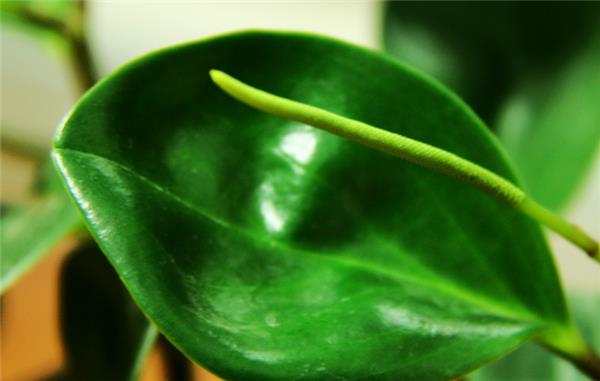
Precautions for peperomia in summer:
1. Strengthen air convection so that the heat inside the plant can be released;
2. Place it in semi-shade, or provide it with 50% shade;
3. Give it appropriate misting, 2-3 times a day.
Precautions for peperomia in winter:
1. Move it indoors to a bright spot for care;
2. Outdoors, you can wrap it in plastic film to overwinter, but every two days at noon when the temperature is higher, uncover the film to let it breathe.
III. Pairing Peperomia with Home Decor Styles
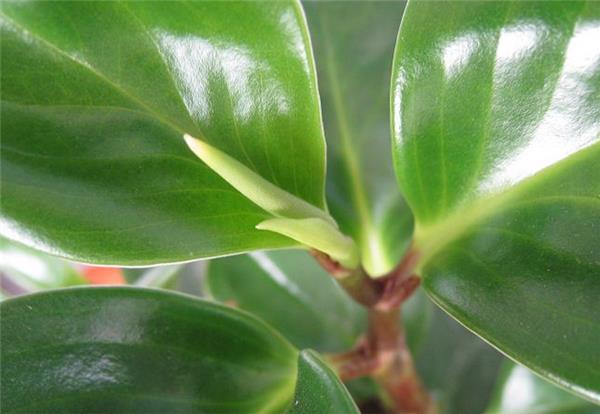
Placing peperomia indoors can decorate the home and is very fresh and natural. Grow peperomia in a white plastic pot or white porcelain pot; the emerald green leaves and white flower pot are very elegant and refined. Placed on a coffee table, display cabinet, curio shelf, or office desk, it is very beautiful; or let the branches spread and hang down, suspended indoors by a window or in the bathroom, and it is also extremely pleasing to the eye.
Peperomia has emerald green, glossy leaves with a naturally striking sheen, making it one of the small potted plants used for home decoration. Peperomia can purify harmful gases in the air such as formaldehyde, xylene, and secondhand smoke, and can also absorb electromagnetic radiation generated by computers and mobile phones, playing a positive role in protecting the safety of the home air environment. Keeping a potted green plant indoors can also rest the eyes and reduce eye fatigue.
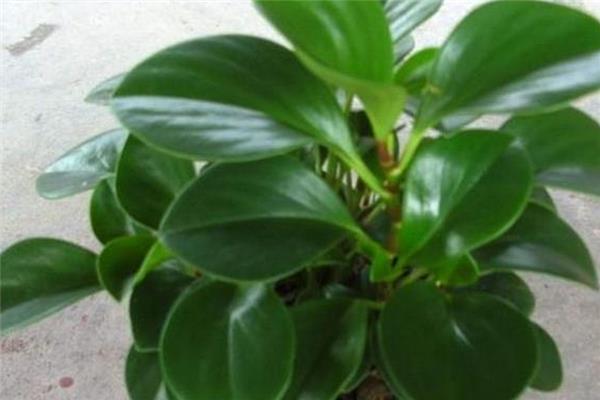
The living room is the place in the home with the most functions. Friends gather, relax and rest, and watch TV here, making it a very important activity space. The living room should focus on having sufficient light, so on the balcony you should try to avoid placing too many dense peperomia plants, so as not to block the sunlight.