Lantana Growing Methods and Photo Appreciation
Lantana is a very unique flowering plant. Within a single flower cluster, there are often multiple color variations, and the range of flower colors is extremely rich. Because of its rich colors, its relatively long blooming period, and its strong resistance to dust and pollution, it is a flower that is now favored for planting in horticulture and gardens. Below, let's take a look together with the editor at the growing methods for lantana and some photo appreciation.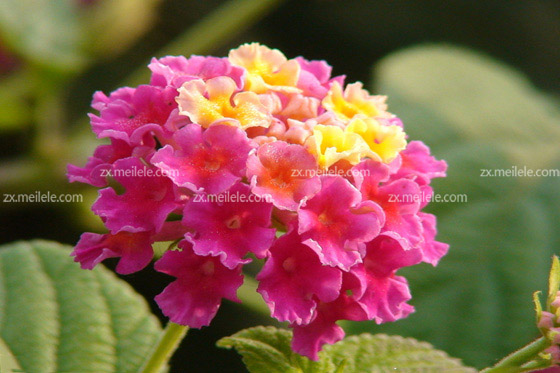
Introduction to Lantana
Lantana is native to South America, the West Indies, and other places. It is an evergreen shrub of the verbena family (Lantana camara). Its blooming period runs from mid-to-late April each year to mid-February of the following year. If the temperature is moderate, lantana can bloom all year round, and it is also a constantly blooming plant. In its flower clusters, small flowers of multiple colors can often be seen within a single cluster, so people call it five-color flower or multicolor lantana. Its branches and leaves contain a special pungent odor and also have the effect of repelling mosquitoes and insects.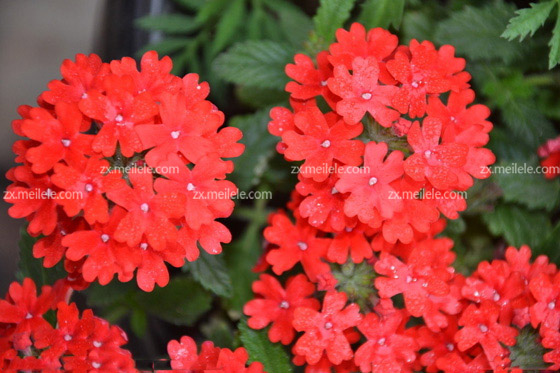
Introduction to Lantana's Growth Habits
Lantana is a plant that loves light and warm, humid climates. It has strong adaptability and tolerates drought and poor soil, but not cold, and grows better in loose, fertile, well-drained sandy loam. Its blooming period is from June to October, and it likes warm, humid, sunny places. It tolerates drought, slightly tolerates shade, and does not tolerate cold. In the south it is basically cultivated in the open ground, while in the north it can be grown as a potted plant for ornamental display. It is not strict about soil quality, and grows best in fertile, loose sandy soil. Lantana is a tropical plant that likes high temperatures and high humidity, also tolerates dry heat, and has poor cold resistance. As long as the temperature is kept above 10°C, its leaves will not fall off.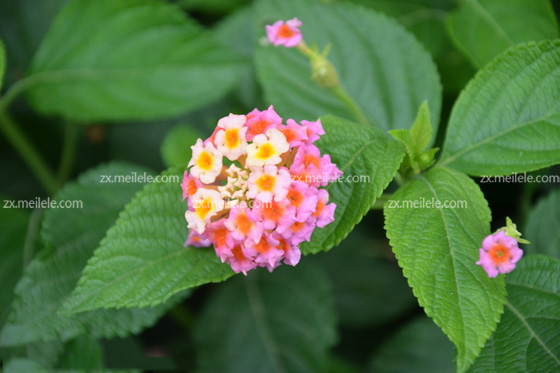
Lantana Growing Methods
1. Temperature: Lantana tolerates drought but not cold. Its growing temperature is generally 20-25°C. In winter, it should be placed in a sunny spot and kept at an indoor temperature of 15°C. When caring for lantana in winter, restrict watering and stop fertilizing to let the plant go dormant; it can overwinter safely at 8°C or above.
2. Watering: Lantana likes a humid environment, so during its growing period the potting soil should be kept moist, avoiding excessive dryness of the potting soil. Its leaves should also be misted to increase air humidity.
3. Light: Lantana is a light-loving plant. During its peak growing season, it can be placed outdoors in a sunny spot for cultivation, and in summer it does not need to be shaded. However, during cultivation it requires good ventilation and a place with sufficient light. If light is insufficient, the plant will become leggy, with thin, long stems and branches and sparse blooming, seriously affecting its ornamental value.
4. Soil: Lantana is not strict about the soil for planting. It can grow in sandy soil, heavy clay soil, acidic soil, or calcareous soil, but it grows especially vigorously in fertile, loose sandy soil.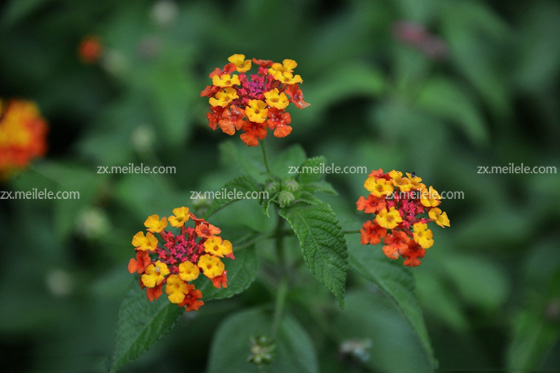
5. Fertilizing: Because lantana's blooming period is very long, generally, apart from winter when it does not need much fertilizing, it should be given a topdressing of fertilizer once a month during the other three seasons. 20 days before it blooms, apply urea fertilizer once every 10 days, which can make its branches and leaves lush and its flower colors vivid.
6. Pruning: Lantana grows relatively quickly. During cultivation, it can be shaped by pruning to keep its tree form attractive. Each time you prune, shorten the young branches after it blooms; from late autumn to early winter, before bringing it indoors, just give the plant one heavy pruning.
7. Pests: Lantana's leaves are most easily damaged by leaf-killing nematodes. If you find its leaf color becoming lighter with light brown spots, you can use 15% aldicarb granules at 5-6 grams per square meter of potting soil, or 2-3 grams for a pot about 25 cm in diameter, worked deep into the soil. Or use 3% carbofuran at 3-5 grams per pot worked deep into the soil. During the damage period, you can also spray the leaves with a 1000-fold solution of 50% fenitrothion emulsion, 50% fensulfothion, and 50% carbaryl wettable powder to kill them.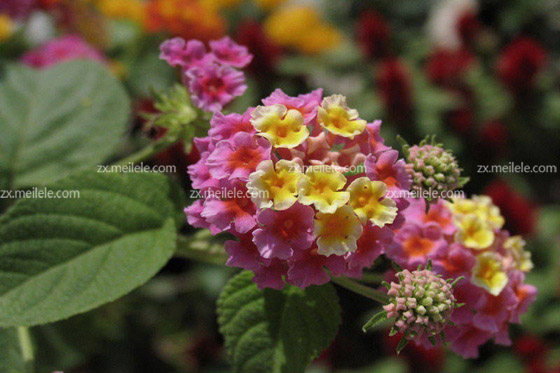
Summary: Lantana has beautiful flower colors and a long blooming period. Its green trees and abundant flowers are gorgeous all year round, and it has strong resistance to dust and pollution, making it one of the flowering plants now grown in parks and courtyards. It can also be grown in pots, and all are flowers of great ornamental value. That is all the content the editor has brought you above. After reading the editor's introduction, I believe everyone now understands the growing methods for lantana.
Summary: Lantana has beautiful flower colors and a long blooming period. Its green trees and abundant flowers are gorgeous all year round, and it has strong resistance to dust and pollution, making it one of the flowering plants now grown in parks and courtyards. It can also be grown in pots, and all are flowers of great ornamental value. That is all the content the editor has brought you above. After reading the editor's introduction, I believe everyone now understands the growing methods for lantana.