A Detailed Guide to Succulent Planting Methods and Cultivation Techniques
Spring and summer are the peak growing seasons for succulents. Most flower enthusiasts are propagating, repotting, transplanting seedlings, and adding new varieties at home. Many enthusiasts say that their newly purchased treasures, or freshly potted succulents, are in very
good condition and look quite appealing.
Image One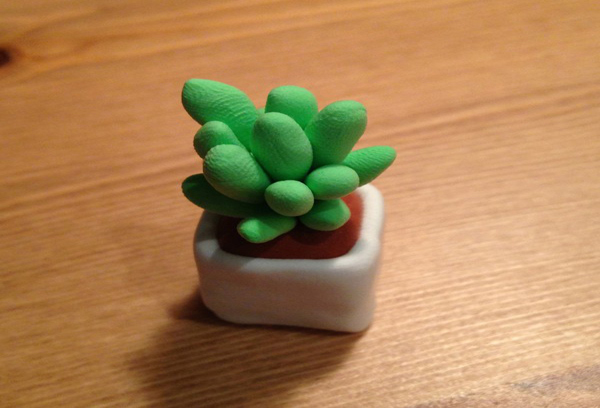
Though succulents may look attractive, this is inseparable from their usual growing environment. If you want them to grow vigorously, you must have good planting methods and growing conditions. For example, the soil requirements for succulents demand that it be loose, soft, and breathable, while also maintaining a certain degree of water retention for drainage.
Image Two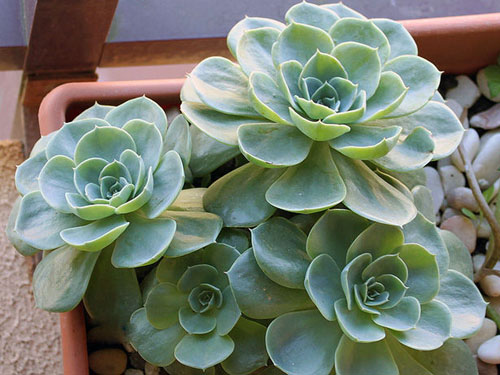
Succulents have many other names, such as succulent plants or fleshy plants, but the most widely used name is still "succulents." Succulents refer to a small portion of a plant's vegetative organs, such as stems, leaves, and roots. In general, succulents are a category of plants that appear thick and fleshy in their external form. Most of them grow in arid regions or areas with a dry season at some point in the year, where the roots cannot absorb water for a long period each year, and they rely solely on stored water within their bodies to sustain life. Sometimes people like to call these plants desert plants, which is not quite correct. Although many succulents do indeed grow in deserts, not all of them grow in deserts, because there are also many plants growing in deserts that are not succulents.
Image Three
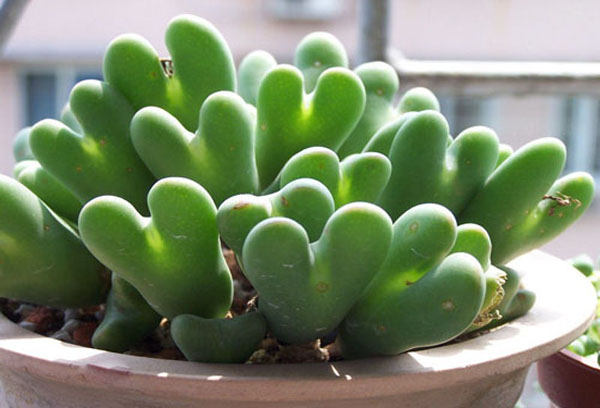
If you want to master how to water succulents, you first need to understand the dormancy habits of the plants you are growing. During a plant's dormancy period, overwatering will cause the plant to rot. For Lithops (living stones) that go dormant in summer, if you water blindly without understanding the timing and method, the plant will rot immediately. There are also cactus species that go dormant in winter; if watered in winter, this will lead to root rot or make them susceptible to frost damage. As for fertilizing, we also need to master certain techniques. Fertilizing is mostly done in spring and autumn, and special attention should be paid during the high-temperature period of midsummer.
[More Information]
| Parlor Palm | Succulent Planting | How to Grow Serissa japonica | Benefits and Effects of Osmanthus Tea | Home Flower Growing | Monstera deliciosa |
| What Does a White Rose Mean | What Plants Protect Against Computer Radiation | How to Grow Azaleas and Precautions | Boston Ivy | Osmanthus |
| Benefits and Effects of Gynostemma pentaphyllum | Benefits and Effects of Honeysuckle | How to Grow Mimosa pudica | How to Fold a Lily | Epiphyllum Images |