What are the cultivation methods and precautions for holly
Holly has dense branches and lush leaves, evergreen through all four seasons. Because of its graceful tree shape and emerald-green branches and leaves, it is the preferred nursery stock for park hedges and landscaping, so it is mostly planted in gardens for beautification purposes. It can be used in parks, gardens, green walls and central medians of highways. Holly has a high transplant survival rate and recovers quickly, and is the most widely used shrub in landscaping. It is crisp and glossy, grows healthily and vigorously, and has high ornamental value, making it an excellent ornamental tree species in gardens. It is suitable for solitary planting on lawns, row planting at gateways, wallsides and both sides of garden paths, or scattered planting on rockeries and small mounds, where it looks lush and lovely. Holly can be dwarfed by using old stumps or growth inhibition, and used to make bonsai.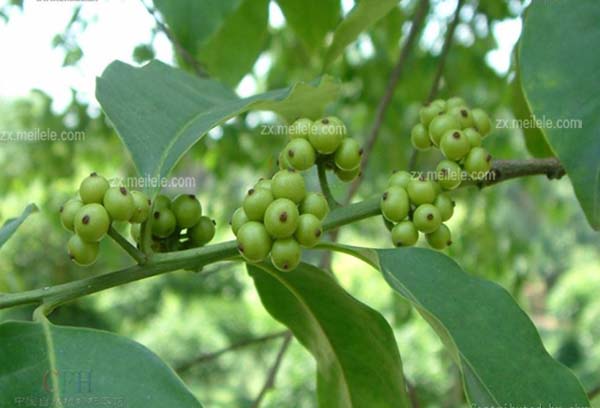
Sowing: Harvest after the fruit ripens in autumn, rub off the fruit skin, rinse clean, and stratify the seeds with moist sand under low temperature for germination, then sow before March of the following spring. Seedlings grow slowly and require careful maintenance and management. If holly seeds are not treated for germination, they often do not sprout until the year after next.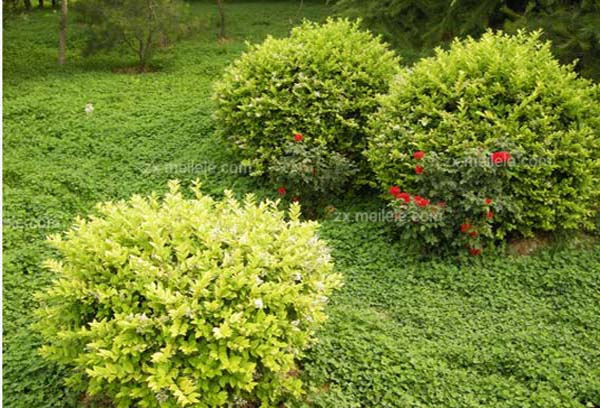
Holly is suitable for planting in moist, semi-shaded places and prefers fertile soil, though it also grows well in ordinary soil and is not strict about environmental conditions. After a seedling planted in the current year is watered thoroughly once, it can be left to grow naturally; water once every 15 days depending on soil moisture, and combine with intertillage and weeding to apply appropriate topdressing 1-2 times each spring and autumn, generally using a thin liquid fertilizer mainly based on nitrogen. Holly sprouts and grows branches multiple times each year and is extremely tolerant of pruning. It should be shaped and pruned once in summer; in autumn, according to different landscaping needs, it can be flat-pruned or pruned into a spherical or conical shape, with appropriate thinning of branches to maintain a certain crown shape and branch form. In colder places in winter, measures such as mounding soil for cold protection can be taken.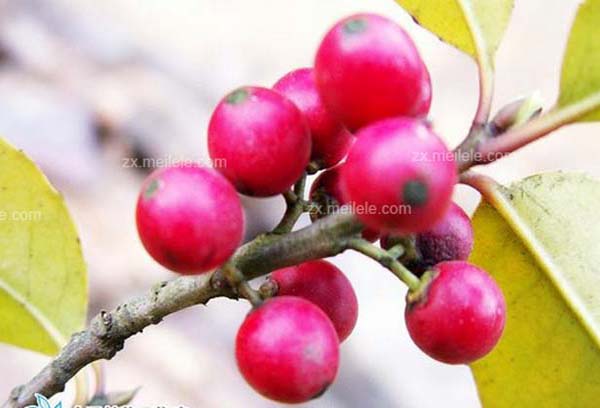
Cuttings: Softwood cuttings are best taken during the plum rain season. The cutting length is 6-8 cm; remove the lower leaves, keep only 1-2 leaves and shorten them, insert to a depth of 1/2. Sandy soil is needed as the substrate. After insertion, build a shade frame, spray water frequently and keep moist; roots can form after about 1 month. You can first cut obliquely from the middle-upper part of the crown, take 5-10 cm long vigorous side branches, remove the lower small leaves, and keep all the upper leaves. Then treat with rooting powder and insert the cuttings downward into the seedbed with the cut end facing down. The seedbed site should be chosen in a ventilated, shade-tolerant place; shade cuttings can also be used, with a very high survival rate.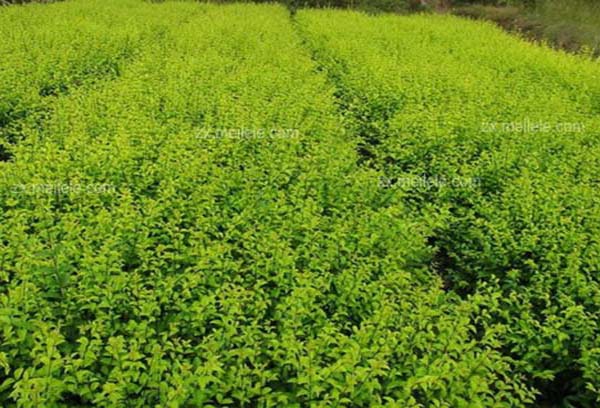
Holly is a subtropical tree species that prefers a warm climate and has a certain degree of cold resistance. It is suitable for living in fertile, moist, well-drained acidic soil. It is relatively tolerant of shade and moisture, has strong sprouting ability, and is tolerant of pruning. It has strong resistance to carbon dioxide. It often grows in mixed forests on hillsides. Its uses can be seen everywhere; for example, the seeds and bark are used medicinally as a tonic, the leaves have heat-clearing and detoxifying effects and can treat bronchitis and burns and scalds; the bark can be used to extract tannin extract; the wood is hard and can be used as material for fine work. The bark contains tannins and can be used to make protocatechuic acid, volatile oil, etc.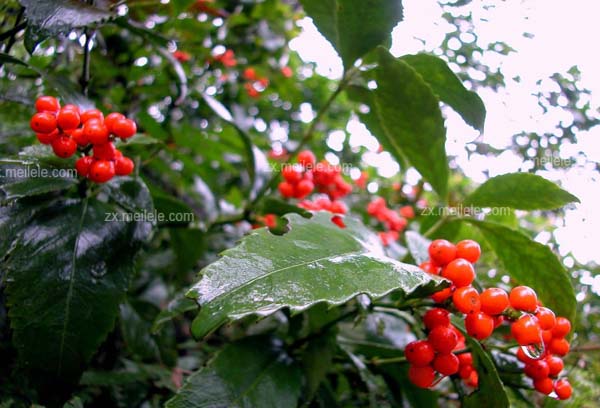
The uses of holly: First, the seeds and bark are used medicinally as a tonic, and the leaves have heat-clearing and detoxifying effects and can treat bronchitis and burns and scalds; second, the bark can be used to extract tannin extract; the wood is hard and can be used as material for fine work. Third, the bark contains tannins and can be used to make protocatechuic acid, volatile oil, etc.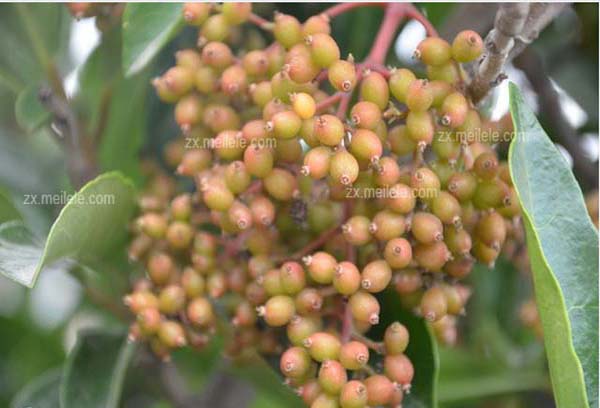
Let us understand holly together and let holly's uses be brought into full play. Together let us create a harmonious, beautiful and healthy home.
More information
| What does a white rose represent | What plants protect against computer radiation | Geranium | Cultivation methods and precautions for rhododendron | Golden heart spider plant |
| Lavender flowering period | Indoor foliage plants | Boston ivy | How to fold a lily | Effects and uses of mint | Cultivation methods for mimosa |
| How to grow succulents | Osmanthus | Effects and uses of jiaogulan | Handmade roses | Effects and uses of honeysuckle | Kumquat |