How to Grow Hyacinths in Water: A Detailed Guide to Hydroponic Methods
How do you grow hyacinths in water? The hyacinth is a very popular flowering plant in recent years. Because of its beautiful flowers and elegant form, placing it in the home makes a brilliant decorative scene. There are many ways to grow hyacinths: they can be planted directly in large open ground, or grown in pots or in water. Today, we will mainly introduce the key points of growing hyacinths in water.
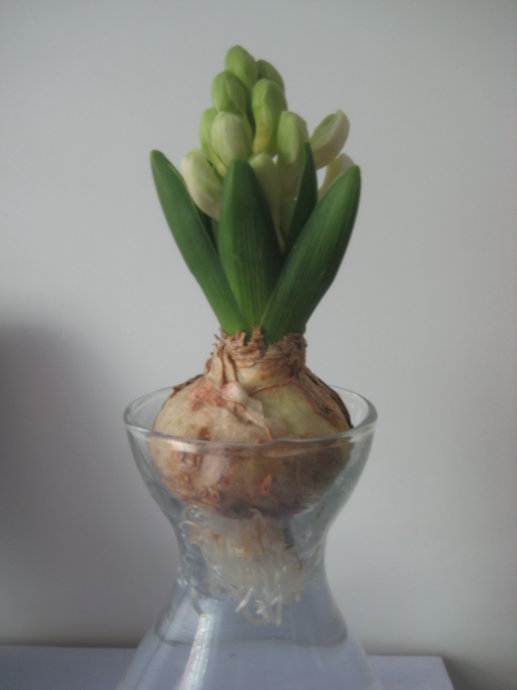
Key Points of Hydroponic Growing Techniques
For hydroponic hyacinth growing, choose a bulb with a diameter greater than 50, plump terminal buds, an intact basal plate, robust growth, and no pests, diseases or damage. Peel off the brown membranous outer skin, remove the withered roots at the basal plate, wash clean and place in a transparent container, then add clear water. The water depth should be such that the base of the bulb just touches the water surface, so that the upper roots are exposed to the air to absorb oxygen.
In the early stage of hydroponic growing, change the water frequently and place the hydroponically grown plant in a cool, dark spot to encourage rooting. After water roots have grown, the plant gradually adapts to the hydroponic environment. At this point, move it to a brighter spot, and you can change the water once a week. Maintain a temperature of 81, and it will bloom in about 2 weeks.
The plump bulb of the hyacinth contains very rich nutrients. For short-term growing, it can bloom without adding nutrient solution; for long-term growing, you can add a dilute nutrient solution. For the nutrient solution, a concentration of 1/4 to 1/2 of the standard concentration of foliage plant nutrient solution, or 6 to 7 of the standard concentration of Garden Test nutrient solution, is suitable. Replace the nutrient solution once a month.
Hydroponically grown hyacinths should be kept in an environment with ample light and good ventilation. Ample light helps the flower stem elongate and speeds up flowering. After flowering, they can be kept in a semi-shaded spot, which helps extend the viewing period of the flowers.
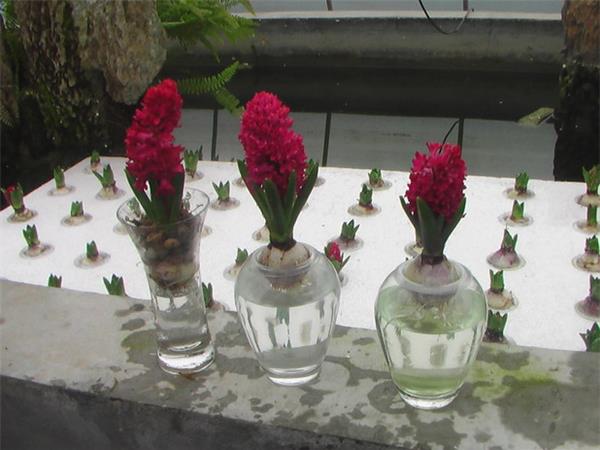
In the early stage of hydroponic growing, to help the hyacinth root quickly, the temperature is best kept at 2 to 61; when sprouting, the most suitable temperature is 5 to 10°C; afterward, the temperature can be kept at 15 to 18°, which is most favorable for hyacinth flowering. At different stages of hydroponic growing, attention should be paid to temperature management.
How to Grow Hyacinths in Water
Like narcissus, hyacinths can be grown in water, but there are also requirements for the amount of water used. Generally speaking, you should choose hyacinths with high-quality bulbs as the subject for water growing, and the amount of clear water should be limited so that it does not touch the bottom of the bulb. In addition, regarding temperature, the water-growing temperature for hyacinths should be kept at around 10 degrees. Before its leaves grow out, it should be placed in a dark, cool spot. After the roots and leaves have grown fully, gradually increase the light, and constantly adjust the angle of the hyacinth toward the sunlight so that every leaf and petal can enjoy the sunshine. During the process of growing hyacinths in water, generally change the water every two to three days to keep the water clean. After the hyacinth grows bigger, you can appropriately slow the frequency of water changes.
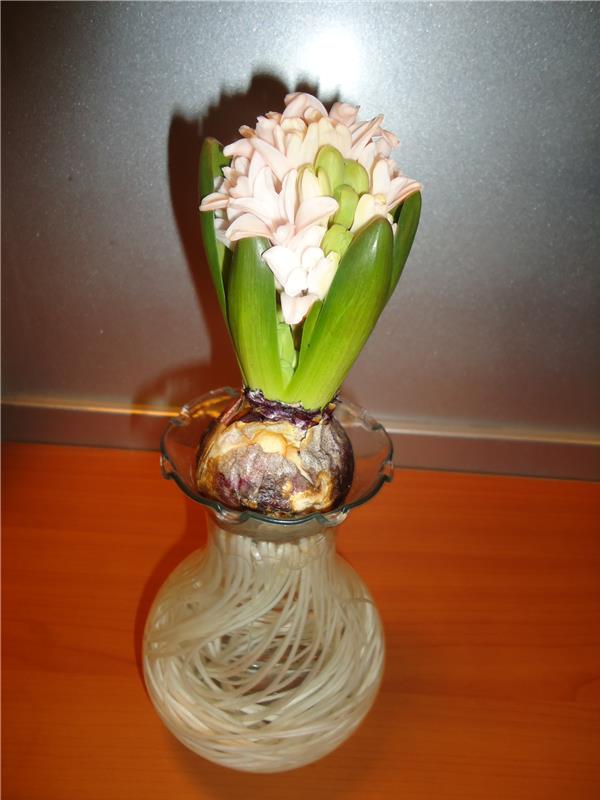
In plant taxonomy, the hyacinth belongs to the hyacinth family. It has a bulb and is also a perennial herbaceous plant. The hyacinth was moved from the original order Liliales to the newly established order Asparagales. The hyacinth is native to the Mediterranean and South Africa, and its scientific name comes from Greek mythology, where it was favored by the halo of the sun god Apollo. The hyacinth's flower colors are fresh and beautiful, captivating and fascinating. Especially around the Spring Festival, red, blue, white, purple, yellow and pink hyacinths send out waves of fragrance, perfectly complementing the joyful festive atmosphere.
The flower language of the hyacinth is "as long as you ignite the fire of life, you can enjoy a rich life together." These words precisely express the hyacinth's beautiful appearance and inner meaning. Around the world, the hyacinth also carries meanings such as joy, competition, betting, games, sorrow, sorrowful love, and eternal remembrance. Hyacinths are very suitable to place in the living room, bedroom or dining room.
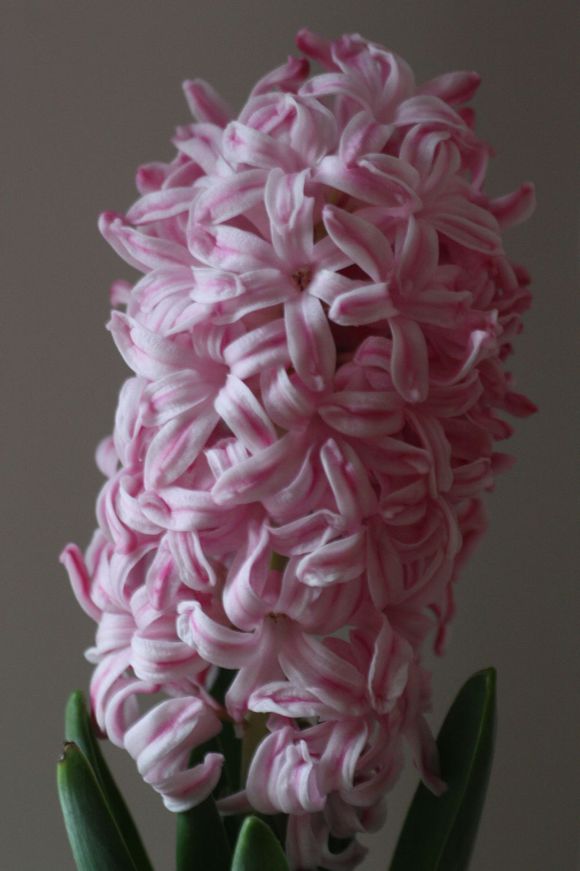
In addition, hyacinths of different colors have different flower languages:
Purple hyacinths represent sorrow and jealousy.
Light purple hyacinths represent a gentle temperament and romantic feelings.
White hyacinths represent purity and lightness, or love that one dares not reveal.
Red hyacinths represent thank you.
Peach-pink hyacinths represent passion.
Pink hyacinths represent delicate elegance and a light fragrance.
Yellow hyacinths represent I am very happy.
Blue hyacinths represent nobility and richness.
Dark blue hyacinths represent a touch of melancholy because of love.