What are the precautions for transplanting osmanthus
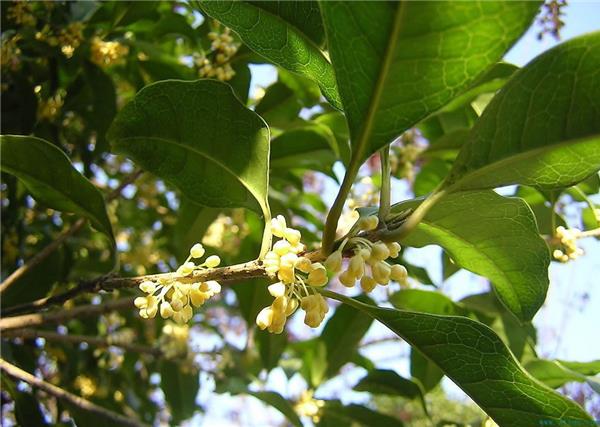
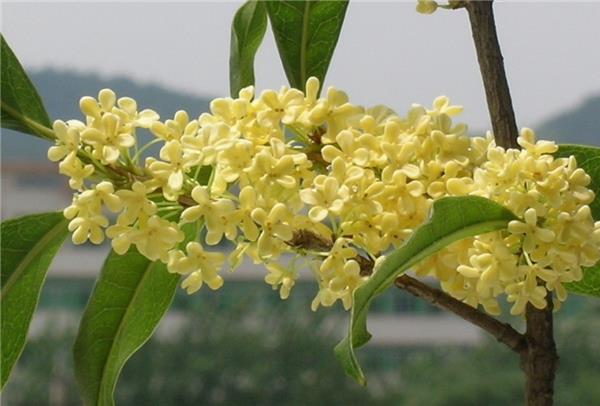
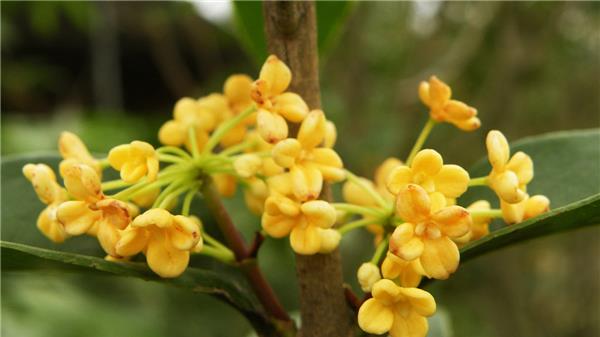
Generally when people mention osmanthus, the first thing that comes to mind may be its rich, fragrant scent - as if just hearing the name brings a wave of abundant floral fragrance rushing to the nose. Today let's look at how to transplant this highly fragrant tree.
1. Choose a good large tree for transplanting
On the premise of meeting landscaping requirements, choose as much as possible a large tree that is relatively young, grows vigorously, and is free of pests and diseases.
2. Do the preparation work before digging
(1) Watering. 1-2 days before transplanting, water according to the soil conditions to ensure the soil moisture content is above 60%, making it easier to dig with soil attached.
(2) Binding. To make digging and transport easier, before digging the crown should also be gathered, that is, the branches and leaves of the crown should be tied up with straw rope. At the same time, the trunk above the root collar should be wrapped with rice straw or straw rope to prevent the trunk from being injured (osmanthus bark is relatively thin).
3. Digging
The best transplanting time is February, when the tree is in a dormant state. Not long after transplanting, its activity strengthens, making it easier to survive. Never transplant in summer. When digging up a large osmanthus tree, a mud ball root ball must be kept intact. For single-trunk osmanthus, the size of the soil ball should be 8-10 times the diameter of the trunk at 30 cm above the ground; for multi-trunk osmanthus, about 1/3 or 2/5 of the crown diameter is more suitable as the diameter of the soil ball. The thickness of the soil ball should in principle enclose the vast majority of the root system within its range, generally between 50-90 cm. The shape of the soil ball is best apple-shaped.
4. Pruning branches and cutting roots
Too many branches will consume a large amount of nutrients and water, so appropriate branch pruning must be carried out. To cut roots and improve its survival rate, cut off the roots and stems beyond a distance equal to 3 times the trunk diameter from the trunk, and apply a low-concentration indoleacetic acid solution.
5. Dig the tree pit
About one week before transplanting, dig the tree pit at the new planting site. The pre-dug tree pit diameter should be about 1 m larger than the packaging diameter of the transplanted tree (to make it convenient for workers to operate inside the pit), and the height should be level with the height of the transplant packaging. Place the excavated topsoil and subsoil separately, spread the soil out to dry, and at the same time clean out impurities such as bricks and tiles from the soil. Then mix in ferrous sulfate at a ratio of 10:1 (with soil as 10 parts). This increases the acidity of the soil, disinfects the soil, and also enhances fertility.
6. Planting
Before planting, backfill the pre-dug tree pit with 10 to 15 cm of original soil brought back with the transported osmanthus tree. Because osmanthus trees cannot tolerate waterlogging, the planting depth of osmanthus should be 10 to 15 cm higher than the original ground level. First lower the osmanthus tree and place it in the direction it originally grew, then place one plastic pipe at each of the four corners of the tree pit. After the tree pit is filled with soil, this increases the breathability of the roots. Then in order remove the template while backfilling soil to 1/3 of the height of the soil ball, and fill original soil tightly around the soil ball, filling one layer and firming one layer to prevent the soil ball from breaking apart. Fill the entire tree pit and firm it, build a berm, add support, and water thoroughly for the first time.
7. Maintenance
Support: After transplanting a large osmanthus tree, support posts should be set up immediately to support the tree body, to prevent the large tree from being shaken by wind, which would affect root establishment and survival. Generally a triangular support is used for fixing.
Pruning: After the large tree is transplanted, the crown should be properly pruned, cutting off an amount of branches equivalent to 1/3-2/5 of the total crown, to maintain the water balance between the aboveground and underground parts of the tree and ensure planting survival.
Shade shed: When the strong-light season arrives, a shade shed should be built to prevent direct strong light from scorching the tree itself and to reduce the amount of water transpiration. Once the weather turns cooler, it can be removed.
Pest and disease control: Osmanthus has relatively few pests and diseases. The more common ones include anthracnose, leaf spot disease, and red spider mites. They only need to be controlled with agents such as Bordeaux mixture, lime sulfur mixture, and dichlorvos.
Loosening soil and whitewashing: In spring and autumn, combined with fertilizing, the soil can be loosened and weeds removed. Before winter, whitewash the trunk once, which can enhance cold resistance.
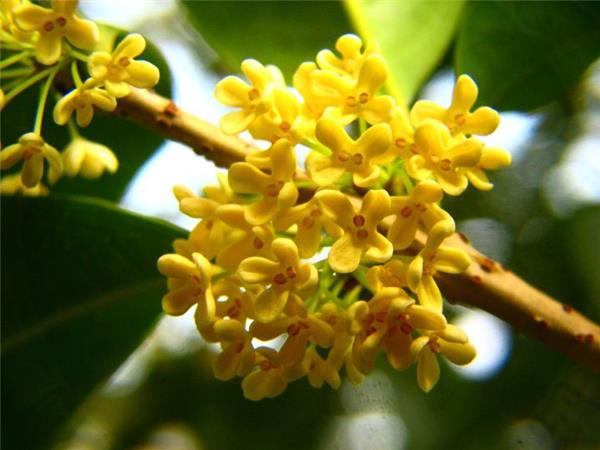
The above introduces the methods for transplanting osmanthus, the precautions during transplanting, and the daily maintenance methods after transplanting. If you are interested in planting an osmanthus tree in your own courtyard, you might as well refer to the above introduction and give it a try.