Can Pothos Be Grown in Water? A Detailed Guide to Hydroponic Care
Can pothos be grown in water? Hydroponic pothos is one of the very best indoor decorative hydroponic plants, a climbing vine grown for its foliage. The vines are slender and soft, and the leaves are delicate and elegant. Place a nested pot high on top of a cabinet and let its trailing vines hang down gracefully, or once the trailing vines grow too long, loop and hang them into a ring, just like an emerald relief. Hydroponic pothos likes warm, humid environments and requires loose, fertile, well-drained soil. Hydroponic pothos is extremely shade-tolerant and can be displayed year-round in a bright spot indoors; in a dimly lit room, it should be moved every half month to a brighter environment to recover for a period, otherwise the internodes tend to elongate and the leaves become smaller.
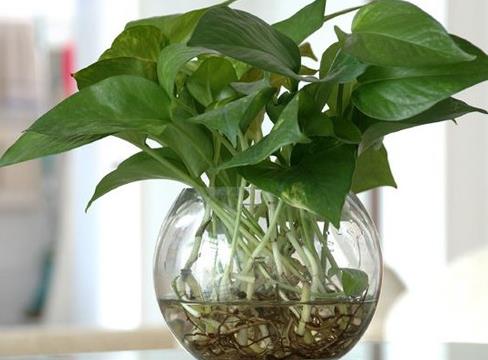
Can Pothos Be Grown in Water
Yes
Hydroponic Pothos Care Methods
1. First, choose the right pothos stems. Healthy, strong stems with aerial roots are the good candidates for hydroponics; after such stems with aerial roots are cut and placed in clean water, they quickly adapt to the hydroponic environment and can grow water roots in about ten days. Note that the part of the stem placed in the water must not have leaves, otherwise the leaves soaking in the water easily affect water quality. In addition, you can also select a potted plant with a good shape, wash the soil off the roots, cut away excess old roots, and place it in clean water; it also roots very easily.
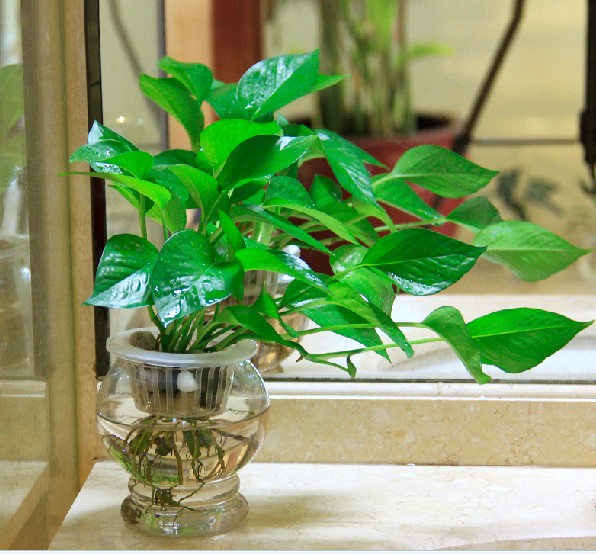
2. In the first few days of hydroponics, pay attention to changing the water: change it once every two or three days with water at the same temperature as the room, and once water roots have grown, change it once a week. Once new leaves have grown, you can add nutrient solution about once every ten days, and you can also spray some diluted nutrient solution water onto the leaves; this keeps the leaves emerald green and glossy.
3. With hydroponic pothos, pay attention to regularly cleaning and trimming the root system. If the roots are too long, cut them shorter in time to avoid nutrient loss. If the roots rot and become slimy, also clean them in time, cut off the rotten roots, and soak them in potassium permanganate solution for disinfection before resuming care. In the first few days after resuming care, do the same as at the start of hydroponics: change the water once every two or three days, and once growth has fully recovered, change it once every ten days.
4. Hydroponic pothos needs plenty of scattered light for its leaves to spread out and stay emerald green. Usually it is best to place it where there is enough scattered light. If the environment you are keeping it in is too dark, you can move it about every ten days to a place with enough scattered light to receive a few hours of light, which also maintains the glossiness of the leaf color.
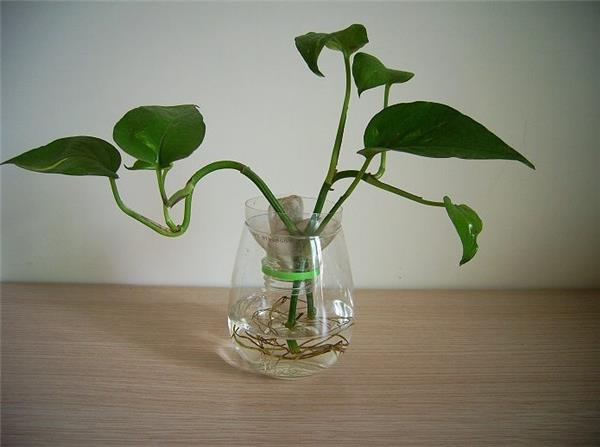
5. Pothos itself likes a warm, humid environment. In dry seasons, spray water on the leaves frequently, which increases ambient humidity and also helps clean the leaves. In winter, the place where it is kept should be away from heating, and watch out for frost damage. Hydroponic leaves are delicate and very sensitive to temperature changes, so try to keep room temperature normal and avoid large temperature swings.
Precautions for Hydroponic Pothos
1. Change the water frequently. With hydroponic pothos, frequent water changes are very necessary, generally once every two to three days. The reason is that pothos has extremely high requirements for water quality, and adding nutrient solution is also essential to keep pothos looking vibrant.
2. Suitable temperature. The temperature for pothos to get through winter safely is above 10°C. With room temperature above 20°C, pothos can grow normally. Large temperature differences will affect the growth of pothos. Also be careful that the leaves do not come close to heating equipment.
3. Choosing the water quality. Use clean tap water or purified water to grow pothos; choosing the right water quality matters, because it contains a large amount of minerals.
In fact, there are two kinds of hydroponic pothos: one is purely hydroponic, and the other is to fill a pot or perhaps a teacup with vermiculite and then fill it with water. Of these two, the vermiculite one is relatively simpler. To grow pothos well, you still need a certain amount of patience.
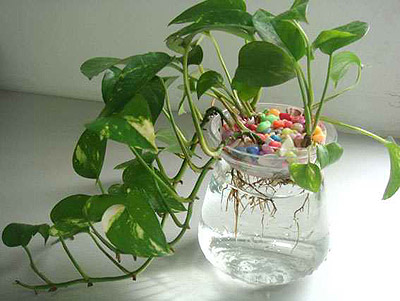
Hydroponic plants are a new type of soilless cultivation method for plants. Hydroponic plants like hydroponic pothos, which once existed only in laboratories or companies, have gradually entered thousands of households. Here we have introduced how households can grow hydroponic plants and the cultivation methods for hydroponic pothos, offering a bit of humble guidance for those who dare to try or who like to DIY hydroponic pothos and other hydroponic plants.