Can Peace Lilies Be Grown in Water? Hydroponic Methods and Care Tips
The peace lily (Spathiphyllum) is a common ornamental plant. Because its flower meaning is considered auspicious, many people like to grow it. What are the benefits of the peace lily? Can peace lilies be grown in water?
Can Peace Lilies Be Grown in Water?
Yes
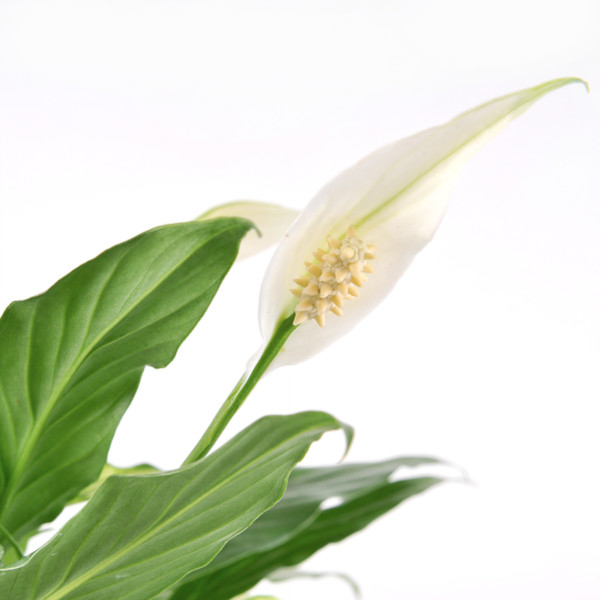
Peace Lily Growing Techniques
Cultivation and Management
Peace lilies (Spathiphyllum) are fairly shade-tolerant. As long as there is around 60% scattered light, their growth needs can be met, so they can be kept year-round indoors in a spot with bright, indirect light. In summer, 60%-70% of sunlight can be blocked out; direct strong light should be avoided, otherwise the leaves will turn yellow and, in severe cases, sunscald will appear. For greenhouse cultivation in northern winters, no shading or only slight shading is needed. If the light is too dim for a long time, it will be difficult for the plant to bloom. Peace lilies are a heat-loving species and should be grown in a high-temperature greenhouse. In winter, the minimum nighttime temperature should be 14-16°C, and the daytime temperature should be around 25°C. Prolonged low temperatures can easily cause leaf drop or a scorched-yellow appearance.
Key Care Points
Substrate selection: Peace lilies need loose potting soil with good drainage and aeration. Before obtaining high-quality seedlings, prepare the growing substrate. The substrate can be ordinary Northeast peat or imported German peat, but either way, 15%-20% perlite must be added and mixed evenly. Choose perlite with large particles, and be careful not to crush the perlite while mixing. The prepared substrate should have an EC value of around 0.7 mS/cm and a pH of around 5.5.
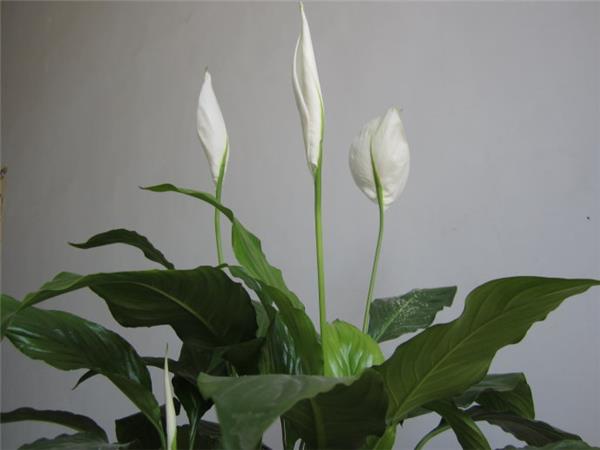
Temperature control: Peace lilies are a heat-loving species and should be grown in a high-temperature greenhouse. The most suitable daytime and nighttime temperature for peace lilies is 20°C-21°C, and it should not exceed 24°C at most. If daytime temperatures are higher, as compensation, nighttime temperatures can be lowered appropriately. For example, if the daytime temperature is 27°C for 6 hours, then at night the temperature should be kept at 9°C for 6 hours. Other situations can be handled by the same principle. In particular, note that if peace lilies remain in a low-temperature state for a long time, it can easily cause leaf drop or a scorched-yellow appearance.
Water management: Peace lilies prefer a moist environment. The substrate should always remain moist; do not wait until the substrate is completely dry before watering. The "water when dry, dry out between waterings" approach to water management is not suitable for peace lilies, and it also increases the chance of root infection, which is bad for growth. Overhead spraying is the best watering method, but the seedling bed must have good drainage. The EC value of the spray water should not exceed 0.8 mS/cm at most; otherwise it is harmful to crop growth.
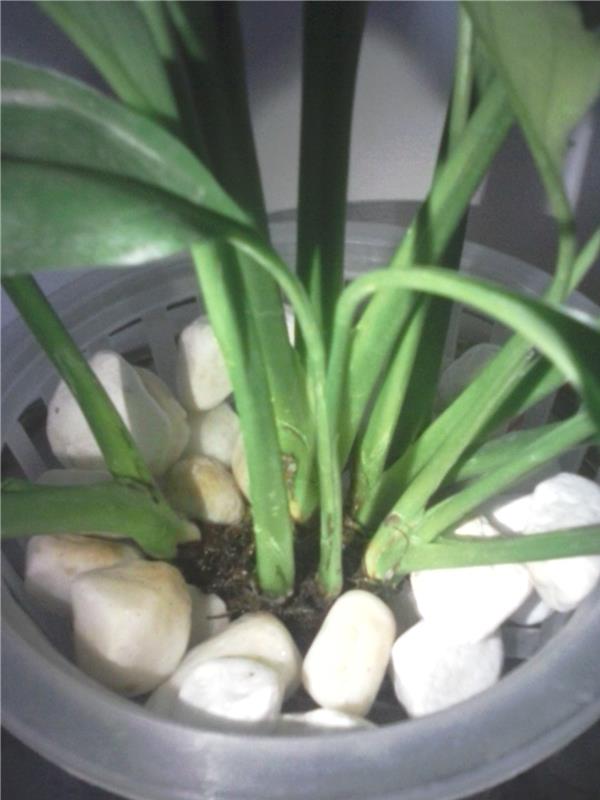
Growing peace lilies hydroponically lets you enjoy both its tender white root system and the adorable small fish swimming among the roots; it is truly a delight to the eyes. The key points of hydroponic peace lilies: oxygen, light, and nutrients.
1. Change the water every 15-20 days in hot weather, and about once a month in cold weather. The water level should just cover three-quarters of the root system.
2. Normally, scattered light is sufficient; avoid light in summer and avoid direct strong light.
3. Use a foliage plant nutrient solution.
4. Spray the leaves appropriately to increase air humidity. If using tap water, draw it in advance and let it sit in the air for more than a day to fully dissolve oxygen and release chlorine. When changing the water, wash away the mucus on the roots and cut off rotten roots and scorched leaves.
For hydroponic flowers, use a dedicated foliage plant formula nutrient solution. During the vigorous spring and autumn growing seasons, add the nutrient solution more frequently.
Precautions for hydroponic peace lilies:
Because peace lilies have both beautiful flowers and leaves, are graceful and light in form, grow vigorously, and are shade-tolerant, they are deeply favored by people and are often used for indoor greening and decorative displays. Peace lilies are an "expert" at suppressing waste gases exhaled by humans, such as ammonia and acetone. They can also filter benzene, trichloroethylene, and formaldehyde from the air. Their high transpiration rate can prevent the nasal mucosa from drying out, greatly reducing the likelihood of illness. Peace lilies like warmth and humidity, so during the growing season they need a sufficient water supply, and the potting soil should be kept moist regularly. In summer and during dry seasons, use a fine-nozzle sprayer to spray the leaves and the ground frequently to increase air humidity.
The Benefits of Peace Lilies
1. Peace Lily
Flower meaning: It signifies that the owner can have smooth sailing. It represents a kind of hope, a kind of prayer.
2. Purifying the air
Peace lilies can remove: ammonia, acetone, benzene, trichloroethylene, and formaldehyde, thereby purifying the air. A few pots of peace lilies can be placed in a newly renovated house. Families with children at home must pay special attention, to avoid accidental ingestion.
Bathrooms are often warm and humid, which exactly suits the habits of peace lilies. They are an "expert" at suppressing waste gases exhaled by humans, such as ammonia and acetone. They can be placed in the bathroom to purify the air. We know that bathrooms may produce ammonia, so placing them in the bathroom can not only beautify the environment but also purify the air, making the air feel completely refreshed. Two benefits in one.
In addition, the bedroom is also a fairly suitable place for peace lilies to live. Moreover, peace lilies can absorb indoor waste gases, and their high transpiration rate can prevent the nasal mucosa from drying out, greatly reducing the likelihood of illness, which is undoubtedly good news for everyone.
At the same time, weaker light in the bathroom and bedroom is best, and is fairly suitable for the growth of peace lilies.
They are an "expert" at suppressing waste gases exhaled by humans, such as ammonia and acetone. They can be placed in the bathroom to purify the air. We know that bathrooms may produce ammonia, so placing them in the bathroom can not only beautify the environment but also purify the air, making the air feel completely refreshed. Two benefits in one.In addition, the bedroom is also a fairly suitable place for peace lilies to live. Moreover, peace lilies can absorb indoor waste gases, and their high transpiration rate can prevent the nasal mucosa from drying out, greatly reducing the likelihood of illness, which is undoubtedly good news for everyone.
At the same time, weaker light in the bathroom and bedroom is best, and is fairly suitable for the growth of peace lilies.