How to Grow Roses? A Complete Guide to Cultivation Methods
The rose is a common small flower that climbs fences with its trailing vines, also known as the white remnant flower. Since ancient times, it has been a celebrated ornamental flower, often planted on balconies, in courtyards, parks and other places. Under natural conditions, roses often grow prostrate and trailing, or attach themselves to trees. So what are the methods for growing roses?
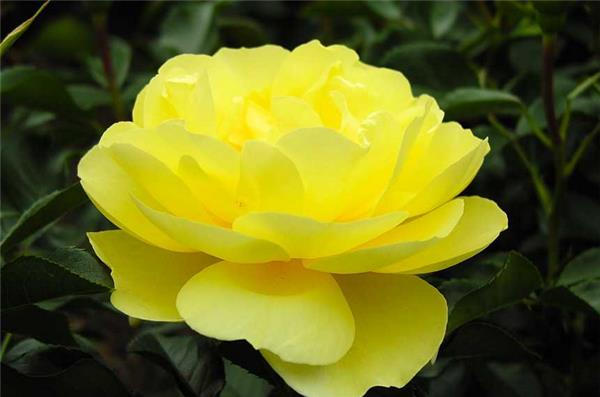
I. Cultivation Methods for Roses
Roses are highly vigorous, not particular about soil, cold-tolerant and drought-tolerant; they grow anywhere, north or south, making themselves at home everywhere. Propagation generally uses the cutting method; as long as they are shaded and kept moist, the survival rate is over 90%. You can also press trailing branches into the soil during the growing season, and once they root, cut them off and plant them separately. Sometimes grafting or seeding is also used.
Watering: Roses like moisture but fear wetness and waterlogging. From bud break to before flowering, water a little more generously, just enough to keep the soil moist without becoming waterlogged. After flowering, do not water too much; the soil should alternate between dry and moist. During the rainy season, pay attention to drainage to prevent waterlogging.
Fertilizing: Roses like fertilizer but also tolerate poor soil. In March, apply 1 to 2 times a nitrogen-based liquid fertilizer to promote the growth of branches and leaves. In April and May, apply 2 to 3 times a fertilizer based mainly on phosphorus and potassium to encourage more buds and more flowers. After flowering, apply one more rejuvenating fertilizer, after which no further fertilizing is needed. Roses are sun-loving flowers; they like warmth and also tolerate cold. In North China and areas further south, they can safely overwinter outdoors.
Pruning: Roses have strong sprouting ability and grow luxuriantly. If not pruned in time, under conditions of muggy heat, humidity, insufficient light and poor ventilation, they are prone to pests and diseases. Therefore, prune once after flowering. When pruning, you can select healthy, semi-lignified branches of the current year for cuttings, place them inshade, and after they survive, transplant and establish them the following spring. You can also, before bud break in early spring, cut off the rooted suckers from the base and plant them separately.
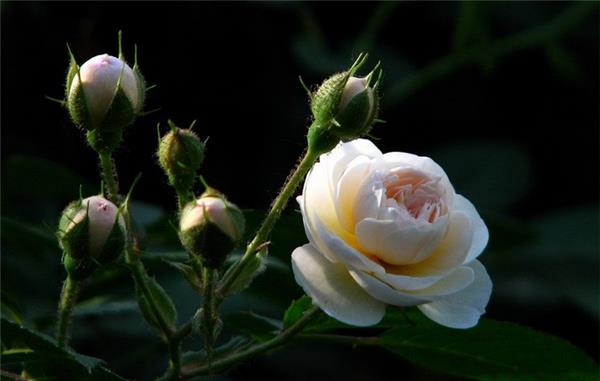
II. Pests and Diseases of Roses and Their Control
Wild roses rarely suffer from pests and diseases, while cultivated ones often have sawflies, rose sawflies, scale insects, aphids, as well as leaf scorch, canker and black spot. Besides paying attention to spraying with liquid pesticides, when arranging the landscape they should be planted in combination with other flowers and trees, and not too many should be planted in one place. Every winter, old branches and densely growing branches are often heavily pruned to maintain good light penetration and ventilation, which can reduce pests and diseases.
Black spot: It mainly attacks leaves, petioles and young shoots. When the leaves first become affected, small purple-brown to brown spots appear on the upper surface, and after expanding they mostly become round or irregular dark brown lesions. You can spray with carbendazim, thiophanate-methyl, daconil and other medications.
Powdery mildew: It attacks young leaves, with white powdery substances appearing on both sides. Early symptoms are not obvious. After the powdery layer appears for 3--5 days, the leaves become water-soaked, gradually lose green and turn yellow, and in severe cases cause leaf drop. During the onset period, spraying carbendazim or triadimefon is sufficient, but Guoguang Yingna has the best effect.
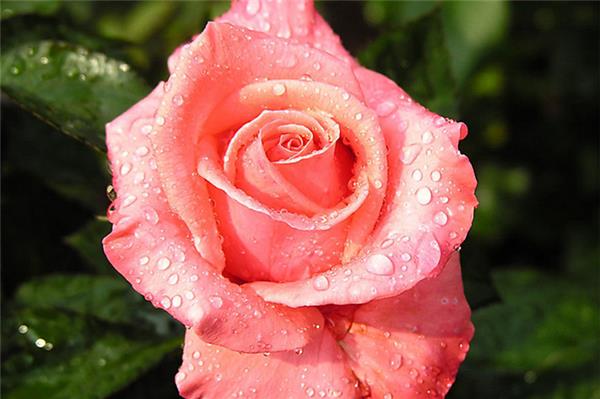
III. Rose Care
Watering:
Roses like moisture but fear wetness and waterlogging, so whether planted in the ground or in pots, a good drainage system must be ensured.
Fertilizing:
Roses like fertilizer; following the principle of "light fertilizer applied frequently," continuously supply various nutrients.
Light:
Roses are sun-loving flowers. They like warmth, and in North China and areas further south, they can safely overwinter outdoors. In summer, roses should be properly shaded to avoid direct sun exposure; the soil should be loosened for aeration, and ventilation should be kept flowing; water should be sprayed on the leaves to increase air humidity.
Pruning:
Pruning is an indispensable and important step in shaping roses for landscape display. Generally, mature plants are pruned once each year before spring growth begins. The amount of pruning should be moderate, ensuring the branches are neither too sparse nor too dense and the appearance is beautiful.
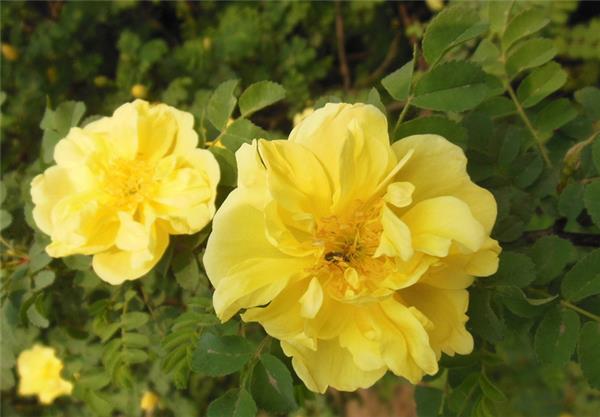
The rose represents beautiful love and the longing of love. Blooming roses give people yearning for love, yet love is not just a beautiful dream. Although flowers may wither, the beloved in one's heart will never fade. The rose is the beginning of love and the vow of love. Roses are beautiful and holy, representing noble and sacred love, especially red roses, which are most suitable for giving to those in first love.