What to Do If Your African Jasmine Won't Bloom? Causes and Solutions
What should you do if your African jasmine won't bloom? When it comes to the question of African jasmine blooming, plenty of flower lovers probably have questions like: Does African jasmine bloom? When does African jasmine bloom? And in encyclopedias it has even been defined as a foliage plant, making the fragrant, fragrant African jasmine flower seem all the more out of reach.
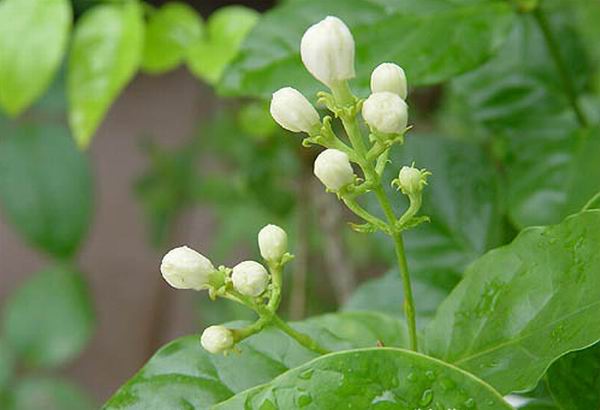
It is not that African jasmine cannot bloom, but surveys of many flower lovers have found that whether they are northern flower lovers or southern flower lovers, getting African jasmine to bloom is no easy task, and African jasmine that does bloom all shares one common trait: the flower bell period is long enough, at least five years, and sometimes even more than ten years. So for many flower lovers, getting African jasmine to bloom is no easy matter.
Reasons African Jasmine Won't Bloom
When African jasmine grows lush branches and leaves but does not bloom, it is usually related to inadequate care methods. The main reasons are:
1. Lack of phosphorus and potassium fertilizer: African jasmine needs sufficient phosphorus and potassium fertilizer to form flower buds, but people usually apply too much nitrogen fertilizer. For this reason, during the growing season of jasmine, especially the bud-forming period, apply less nitrogen fertilizer and more phosphorus and potassium fertilizer. Besides using rotted bone meal and poultry manure as base fertilizer, you can also use rotted soak liquid from bones and poultry manure or quick-acting phosphorus and potassium fertilizer as top dressing.
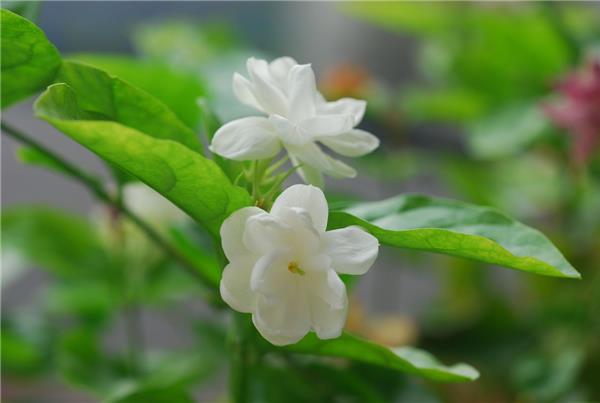
2. Lack of light: African jasmine likes strong light. Because some home balconies cannot receive sunlight all day, the plant is often shaded for too long, causing the leaves to be large but sparse and the flowers to be few or even absent. For this reason, the flower pot should be moved to a sunny place for care.
As long as African jasmine is given enough base fertilizer so that the flower's fertility is at a top level, it will bloom in May. Starting in March, spray 0.1% monopotassium phosphate on the leaves every two weeks to encourage buds, provide sunlight and enough water, and it will certainly bloom.
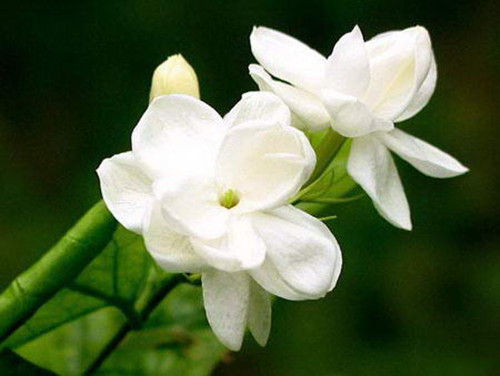
How to Prune African Jasmine
African jasmine is usually pinched back during the growing season, which does not affect its ornamental value. For plants whose lower leaves have dropped severely, heavy pruning must be carried out. The specific method is: about half a month in advance, place the plant under suitable environmental conditions (such as a sunny spot in spring or a spot with scattered light in summer), and apply an appropriate amount of fertilizer to promote growth. After half a month, when growth is normal, shorten every branch. The cutting position should depend on the size of the plant; generally leave about 15 cm, or you may keep up to 30 cm, and it should be done flexibly.
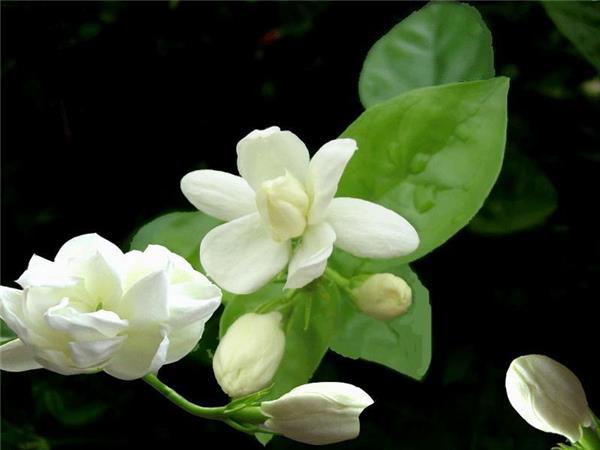
After pruning, watering frequency can be reduced, because with fewer or no leaves, transpiration is extremely low and water demand is not great. But afterward, each watering should preferably be done with fertilizer water. As new branches and leaves grow, fertilizer and water management can be increased.
Potted African jasmine generally should be repotted and have its soil changed once a year. When repotting, remove part of the old soil and residual roots around the jasmine root system, replace with new culture soil, and improve the soil's aggregate structure and nutrients again, which is beneficial to the growth of jasmine. After repotting, water thoroughly as when first potting, so that the roots and soil connect closely and growth resumes. Before repotting, jasmine should be pruned once, leaving only about 10 cm on the previous year's branches, and cutting off diseased and dead branches as well as overly dense and overly thin branches. During the growing season, regularly thinning out overly dense old leaves can promote axillary bud sprouting, more new branches, and more flower buds.