Summer care methods and techniques for garden flowers
There are many kinds of garden flowers. Basically, all plants can now be grown as garden plants after artificial technical processing and treatment. Today, let's take a look at how garden flowers should be cared for in summer.
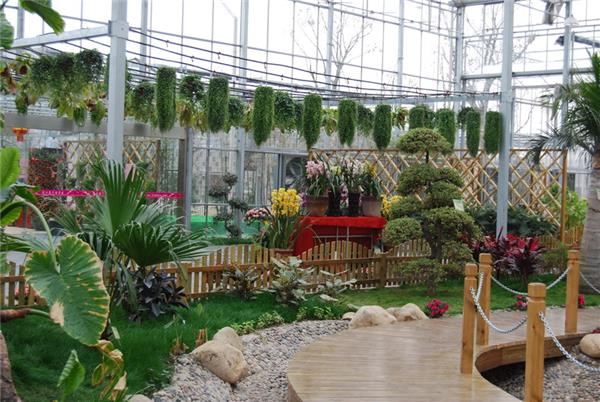
I. Protecting garden flowers from high temperatures in summer
1. In the face of the hot summer, the first thing to do is the work of shading from strong light. For flowers that fear both high temperatures and strong light, such as fuchsia, cyclamen, and orchids, provide appropriate shade or place them under a shade frame for care, or move them indoors during the day to shade and cool them, providing the necessary cool environment for their normal growth and development as they pass the summer and avoid heat and high temperatures.
2. Also avoid rain in time. Many flower lovers may think that rainwater can just irrigate the plants, but this is not the case. Summer rain is frequent, relatively heavy, and lasts a long time. The rapid temperature drop after rainfall can easily damage root hairs. Water accumulation after rain will hinder root respiration, thereby causing root rot. Therefore, all flowers that are in a weak or semi-dormant state in midsummer should be placed in a rain-sheltered spot or appropriately covered, and accumulated water should be drained promptly.
3. During continuous high-temperature days, appropriate watering, leaf-surface spraying, and spraying water around the plants to cool them down are also needed, creating a cool and humid micro-environment for them. However, when watering and sprinkling water, avoid the hot midday. For potted plants placed indoors, attention should also be paid to ventilation. Poor ventilation will hinder respiration, affect the normal growth of flowers, and even cause them to gradually die. Therefore, at night you can open windows for potted flowers or place them outdoors for ventilation. For flowers with dense branches and leaves, appropriate pruning is also needed.
4. In summer, garden flowers are in a vigorous growth stage, so transplanting has a relatively large impact on their normal growth and requires special treatment to help them recover as quickly as possible. In order to reduce the plants' own transpiration, pruning is generally adopted, cutting off some branches and leaves. The roots can be dipped in a water-retaining agent to reduce water loss from the root system. In the first few days after transplanting, try to avoid direct sunlight, and frequently spray the plants with water to maintain relatively high humidity and prevent leaves from wilting.
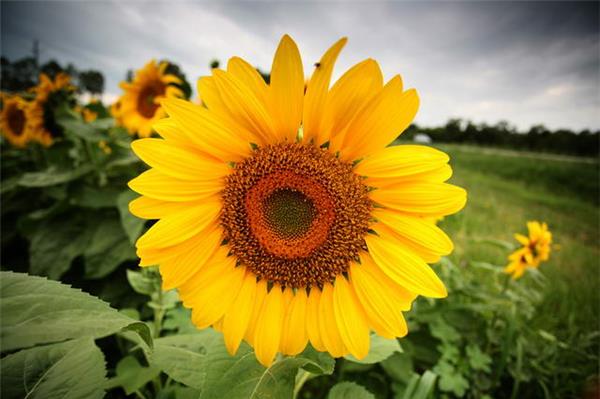
II. Managing and controlling the flowering period of garden flowers
Controlling the flowering date of garden flowers should be carried out according to the laws of plant growth and development and the control of the external environment, mainly including the following approaches.
1. Control the starting period of plant growth.
2. Horticultural measures such as pinching, pruning, and bud removal.
3. Measures such as regulating temperature, light, and applying growth regulators.
4. Before flowering, apply phosphorus and potassium fertilizer once. During the flowering period, reduce the frequency of watering and lower the temperature to extend the flowering period.
5. After flowering, prune appropriately and apply nitrogen-based fertilizer 1-2 times to promote vegetative growth.
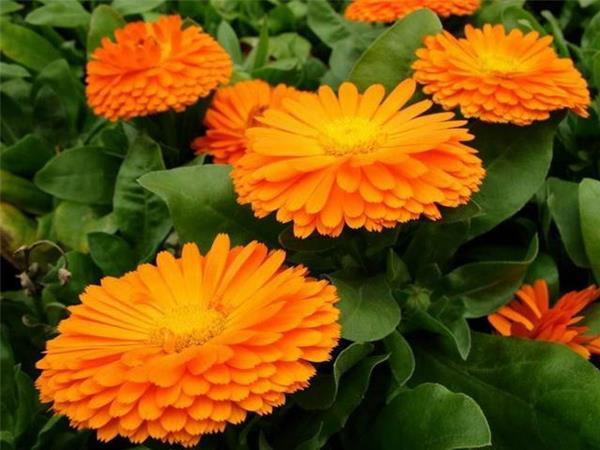
III. Beware of chlorosis in garden trees in summer
1. Prevention and treatment of pathological chlorosis
First, for chlorosis caused by pathogenic microorganisms, agricultural tetracycline and oxytetracycline can be applied for prevention and treatment. During the prevention and treatment process, persist until treatment is thorough and do not "stop as soon as it improves," because this type of disease often recurs, so it must be treated early and treated completely.
Second, cultivating disease-free seedlings and breeding disease-resistant varieties is an effective way to solve chlorosis.
Third, promptly control aphids, scale insects, and other virus-transmitting vector insects.
Fourth, adopt methods such as trunk or diseased-branch ringing or removal of diseased branches, promptly cutting off or eradicating the source of pathogens spreading within the plant, so as to achieve the purpose of controlling the disease.
2. Prevention and treatment of physiological chlorosis
For physiological chlorosis, first identify the cause, then treat it according to the symptoms. If it is caused by waterlogging, strengthen drainage, prevent water accumulation after rain, and strengthen routine care and management. If the chlorosis is caused by drought, strengthen watering, especially in dry weather with little rain; for tree species with weaker drought tolerance, water promptly. If the chlorosis is caused by poor soil, then promptly apply fertilizer in a timely, appropriate amount and targeted manner according to the soil's fertilizer deficiency.
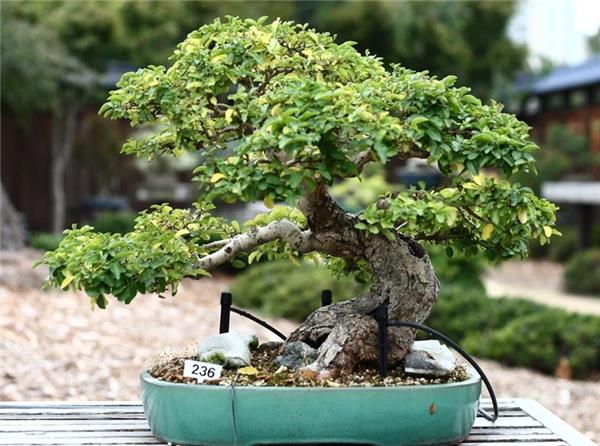
Summer weather is generally humid and hot, so the main hazards to deal with are drought, flooding, high temperatures, and mold on plant roots. Generally speaking, careful routine care and constant attention to weather changes can prevent these phenomena from occurring.