Complete Guide to Indoor Flowers: What Flowers Are Best for Beginners
There are so many flowers, so which ones are actually suitable for growing at home? When choosing flowers to grow, what aspects should you consider? Let's look into it together today.
I. Ways to Classify Flowers
1. Classification by growth habit and morphological characteristics: generally can be divided into herbaceous flowers, woody flowers, succulent flowers and aquatic flowers.
2. Classification by ornamental part: flowers can be divided into flower-viewing types (such as chrysanthemums), foliage-viewing types (such as croton), fruit-viewing types (such as kumquat), stem-viewing types (such as pencil cactus) and bud-viewing types (such as silver willow).
3. Classification by use: flowers can be divided into cut flowers (such as carnation), indoor flowers (such as monstera), courtyard flowers (such as chrysanthemum), medicinal flowers (such as peony), spice flowers (such as white orchid), edible flowers (such as lily) and flowers for environmental protection (such as oleander).
4. Classification by cultivation method: flowers can be divided into open-field cultivated flowers and greenhouse cultivated flowers. Open-field cultivated flowers: these flowers are all cultivated in the open field under natural conditions, and are mostly flowers with a wide range of climate adaptability, such as pot marigold, scarlet sage, hollyhock and Chinese peony. Greenhouse cultivated flowers: these are all cold-intolerant thermophilic flower plants, native to tropical, subtropical and southern warm temperate regions, so they cannot overwinter in the open field in cold temperate regions and must have greenhouse facilities to be cultivated.
II. Flowers Suitable for Home Potted Cultivation
Areca palm: likes high temperature and humid environments; if kept below 5°C for a long time in winter, it will surely suffer frost damage; during the growing period, keep the potting soil moist and the air humidity relatively high.
Money tree: requires sufficient light but can also tolerate shade; from spring to autumn, water after the potting soil dries; keep it dry in winter; the minimum overwintering temperature is above 5°C.
Pothos: likes high temperature, high humidity and a semi-shaded environment; during the growing period from April to September, water thoroughly; during high-temperature periods, spray water on the leaves frequently; the overwintering temperature is 10-15°C.
Peace lily: likes warmth and humidity, and tolerates shade. From early summer to October, place it in filtered light. During the growing period, keep the topsoil alternating between dry and moist. When it is dry in summer, spray more water on the leaves; it is not cold-tolerant.
Brazil wood: likes a warm environment; the optimum growth temperature is 16-26°C; it is relatively drought-tolerant and needs semi-shaded conditions; it likes loose, fertile sandy loam with good drainage.
Chinese rose: it can absorb gases such as hydrogen sulfide, hydrogen fluoride, benzene, ethylphenol and ether; it also has considerable resistance to sulfur dioxide and nitrogen dioxide.
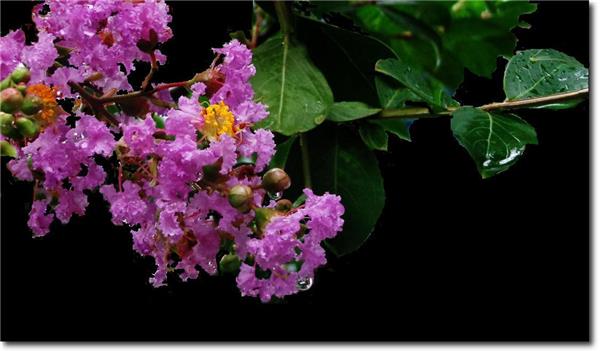
Crape myrtle: it has strong resistance to toxic gases such as sulfur dioxide, hydrogen chloride, chlorine and hydrogen fluoride. Each kilogram of dry leaves can absorb about 10 grams.
III. Flowers Suitable for Beginners
1. Cuban oregano: the leaves are fleshy and covered with fine white fuzz. The veins are clearly visible in the sunlight, very cute. Because it gives off a pleasant fragrance when touched, it enjoys the name "touch-me fragrance." And because its scent is rich and sweet, quite like the aroma of apples, it also enjoys the reputation of "apple fragrance," and smelling it makes one feel refreshed. Cuban oregano is very easy to cultivate, suitable for potting, and is best placed in a high spot or hung indoors; it can also serve as an ornament for a table or desk.
2. Crown of thorns: long flowering period, bright flower colors and elegant form. Crown of thorns is easy to cultivate and very drought-tolerant, a complete "lazy person's flower"; friends who like flowers but dislike trouble can consider it.
3. Jasmine: pure white and strongly fragrant, blooming continuously from summer to autumn, with July to August being the peak flowering period, when the flowers are large, fragrant and numerous. Because jasmine has emerald-green leaves, snow-white flowers and an intoxicating fragrance, and blooms in midsummer, if a pot is placed indoors, it will also send wafts of fragrance from time to time in the early morning and evening, giving people the feeling of "one flower can scent a whole room, and even in hot weather one still feels the coolness of jade-like skin" and a sense of returning to nature.
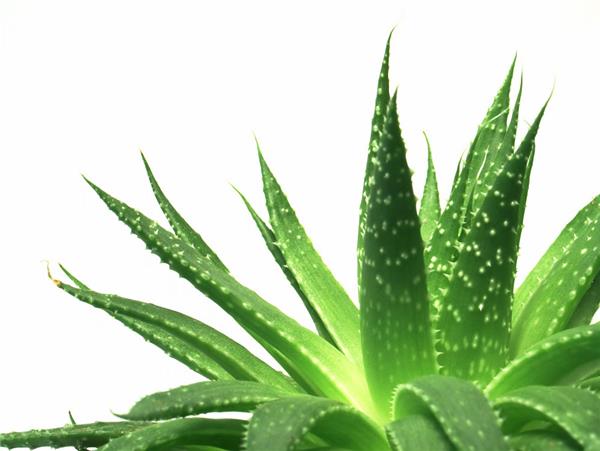
4. Aloe: it is a plant extremely popular with women, not only because its shape and leaves are cute, but also because it has edible, medicinal and beauty benefits. A small household pot of aloe can also be placed on a desk or writing table and has ornamental value.
With so many flowers suitable for home cultivation above, have they made you dazzled by the choices? Don't worry; use the standards in your heart, such as how well they match the room, how beautiful they are and how difficult they are to grow, as references, and choose the ones that suit you.