What are the cultivation methods and precautions for Pilea?
Pilea is a small potted indoor foliage plant with beautiful leaf patterns. It prefers shade and is suitable for small to medium pot cultivation. It can be grown and enjoyed year-round in relatively bright indoor spaces. It can be hung or placed on flower stands, in corners of rooms, or on coffee tables, and is also a rare ground-cover material for arranging indoor gardens.
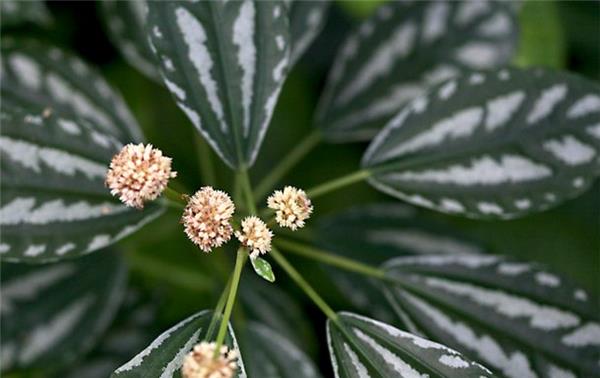
I. Cultivation methods for Pilea
1. Repot Pilea once every spring, using foliage plant potting soil.
2. From April to October, apply a dilute liquid fertilizer or granular chemical fertilizer once a month. Be careful not to let fertilizer touch the leaves; after fertilizing, it is best to lightly sprinkle water to rinse the leaf surface.
3. It is a mesophytic flowering plant; in summer, water should also be sprayed on the leaf surface every day, but in winter the leaf surface must not be sprayed, to avoid black spots.
4. Pilea needs good light, but strong direct sunlight must be strictly avoided.
5. In winter, room temperature only needs to be kept above 0°C.
6. Before budding in early spring, along with repotting and changing the soil, re-prune the older, taller branches to encourage new growth and renew the plant.
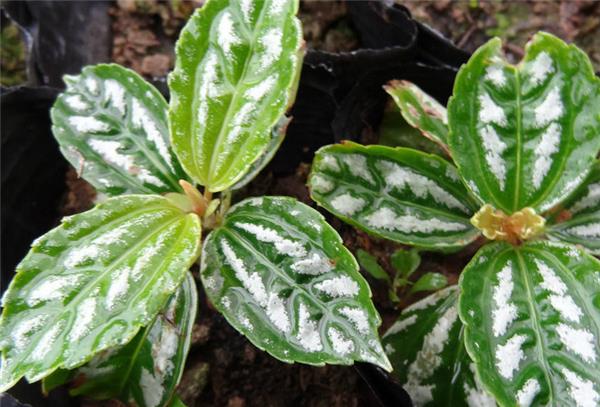
II. Precautions for cultivating Pilea
Repot at least once every spring; during the growing period, fertilize about once a week, applying nutrient solution once. If cultivation has gone on too long and growth becomes slow, prune and take cuttings to renew in a timely manner. Otherwise, the ornamental effect will be reduced.
Pilea likes relatively strong diffused light; in summer, block out more than 70 percent of the sunlight.
In winter, no shading is needed, or only slight shading.
When overwintering, the temperature should be above 13°C; if the temperature stays below 10°C for a long time, the flowering branches will be damaged. However, around 5°C for a short time will not cause damage.
Pilea likes a moist environment; keep the growing medium moist and the air humidity relatively high. In dry seasons, water can often be sprayed on the surrounding environment or the leaf surface.
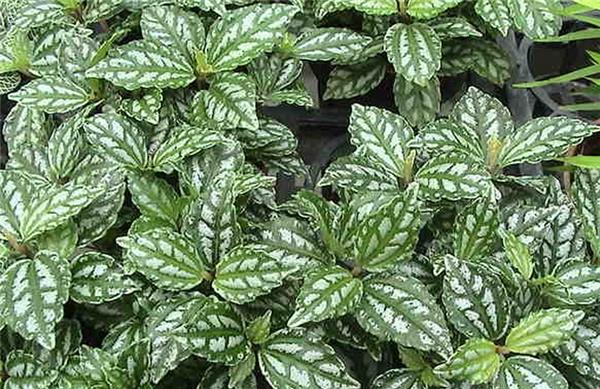
III. Care of Pilea
It likes a warm, moist, and semi-shaded environment, fears strong direct sunlight, and prefers soil rich in humus that is loose and well-drained and aerated. For pot cultivation, use a potting soil mixed from leaf mold or peat soil, garden soil, plus about 1/5 river sand or perlite and a small amount of decomposed cake fertilizer powder. Generally, repot once every spring. During the peak growing season, apply a dilute liquid fertilizer once a month. If too much fertilizer is applied, it easily causes the plant to grow leggy. Watering should follow "dry then wet," and never allow waterlogging.
In spring and autumn, place it in a semi-shaded spot; in summer, place it indoors in a well-ventilated spot with bright diffused light; in winter, place it on a south-facing windowsill. If there is insufficient sunlight for a long time, it not only easily causes the internodes to lengthen, the stems to become soft, and the plant shape to become loose, but the leaves will also become thinner, and the leaf color will fade and lose its luster. After early autumn, reduce fertilization and watering. The optimum growth temperature is 15-25°C, and the winter room temperature must not be lower than 5°C. During overwintering, stop fertilizing and strictly control watering.
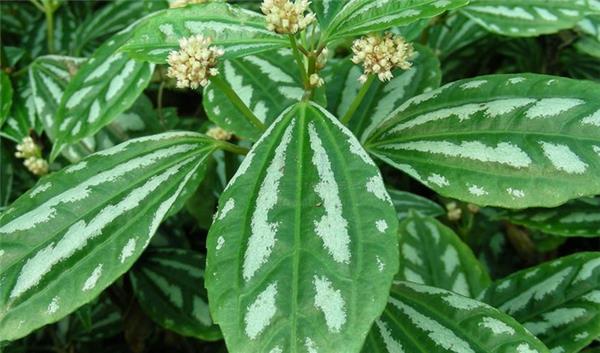
Pilea: this plant is small, tender green, and elegant; when it blooms, lightly shaking the plant sends the pollen springing out like a burst of fireworks, a very beautiful sight, so in the Americas it enjoys the fine name "friendship plant" and can be cultivated for ornamental use.