What are the uses of the Norfolk Island pine? A detailed explanation of its main uses
The Norfolk Island pine (Araucaria heterophylla) is a very common plant for us. Larger trees are generally planted in parks, along roadsides, in home courtyards and other places, while smaller plants are generally grown in pots to green and beautify the home. Below, let's find out exactly what the uses of the Norfolk Island pine are:
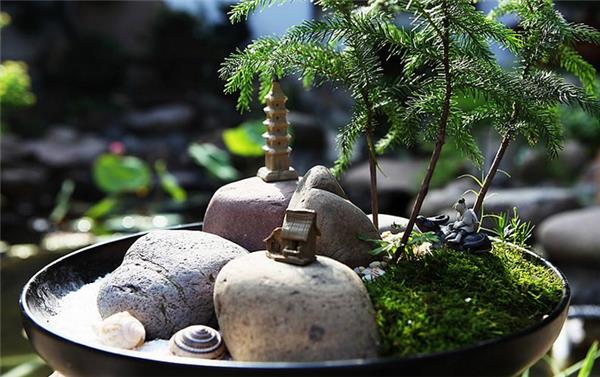
I. Uses of the Norfolk Island pine
1. Purifying the air
Like other green plants, the Norfolk Island pine has certain benefits for air purification, and it is quite effective at removing dust from the air.
2. Accenting the environment
The Norfolk Island pine has small-sized varieties. Grown in pots, it is suitable for accenting and decorating the environment of ordinary homes' living rooms, hallways, studies and so on, appearing very elegant, and it can also be used to arrange various forms of venues, exhibition halls and so on.
3. Giving as a gift
The Norfolk Island pine has a rather attractive tree shape and can be grown in pots to give as a gift. It can serve as a gift for relatives and friends on the occasion of a business opening or a housewarming.
4. Timber applications
The Norfolk Island pine is a fairly well-known landscape tree, with excellent wood quality, and it is also an important timber tree species in Australia and South Africa, suitable for use in construction, utensils, furniture and so on.
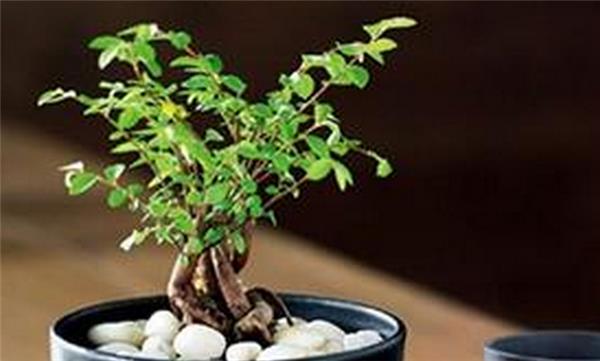
II. Cultivation and management techniques for the Norfolk Island pine
1. For potted Norfolk Island pines, it is best to use a growing medium prepared from humus soil, garden soil and 20% river sand, with a small amount of base fertilizer.
2. Water potted Norfolk Island pines appropriately, just enough to keep the potting soil consistently moist and warm. In hot, dry summer seasons, water should often be sprayed on the leaf surfaces to increase air humidity, which helps keep the leaf color glossy.
3. After new buds sprout in spring and the plant enters its vigorous growth season, a thin fertilizer solution of decomposed and fermented organic fertilizer needs to be applied once a month to supplement nutrient uptake and use. Young trees need to be repotted once every 1 to 2 years, with new potting soil added.
4. The Norfolk Island pine is not tolerant of high temperatures and scorching sun exposure, so in summer it needs appropriate shading, and about every half month it needs to be turned once to prevent the tree shape from growing lopsided. In winter, the Norfolk Island pine should be moved indoors, watering should be controlled, fertilization stopped, and it is best placed in a spot with ample sunlight; keeping the room temperature above 10°C will allow it to overwinter safely.
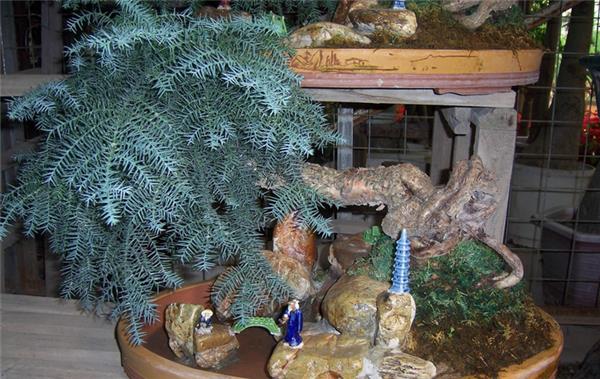
III. Propagation methods for the Norfolk Island pine
Propagation by sowing
Because the seed coat is hard and the germination rate is low with sowing propagation, it is best to break the seed coat before sowing to promote germination. In addition, seedlings from sowing are easily harmed by pests and diseases, so the soil used should be strictly sterilized. It is best to germinate the seeds in a sand bed or use the above-mentioned method of breaking the shell before sowing to increase the seed germination rate; generally they can germinate in about 30 days.
Propagation by cuttings
Propagation by cuttings is relatively easy and is widely adopted. Cuttings are generally taken in spring and summer, but the main branch must be selected as the cutting; plants grown from side-branch cuttings are crooked and not upright. The cuttings are 10 to 15 cm long, and after planting, under conditions of 18°C to 25°C and relatively high air humidity, they can take root in about 4 months. If before cutting, the base of the cutting is soaked in 200 ppm indolebutyric acid (IBA) for 5 hours before being planted, rooting can be promoted earlier.
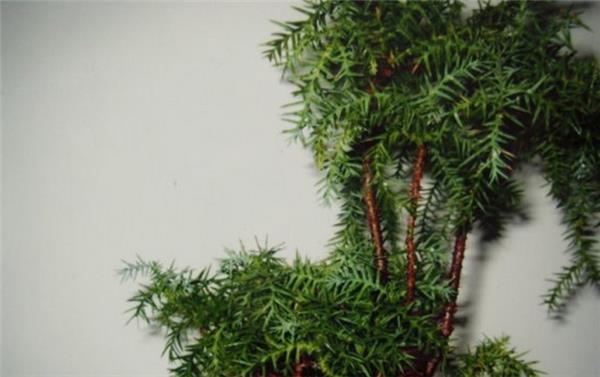
The Norfolk Island pine has a handsome plant shape. Grown in pots, it can beautify the home, purify the air, and also be given as a gift. Its uses are fairly wide-ranging. If you like foliage plants such as the Norfolk Island pine, you might as well try planting it in courtyards and other places.