How to grow anthurium (fire crane flower) in water so it thrives?
The blooming anthurium, with its striking scarlet blooms and fresh green leaves, looks clear and bright when grown in water in a glass bottle, a delight to the eye. Who could dislike such a flower? Its flower shape resembles a goosefoot, so people often call it goosefoot red, and some also call it Anthurium, a plant of the genus Anthurium in the family Araceae. Can anthurium be grown in water? The following text will cover the hydroponic cultivation methods for anthurium, home cultivation methods for anthurium, and some common points to note when growing anthurium.
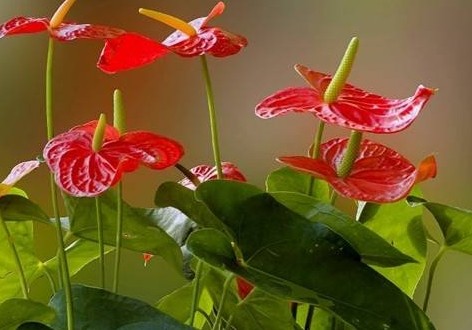
Can anthurium be grown in water?
Anthurium likes warm, humid, semi-shaded environments and is very well suited to hydroponics. When growing anthurium, pay attention to moisture retention; the anthurium's graceful form and beautiful flowers are inseparable from water. Growing anthurium in water does not mean adding too much water to the growing container, but rather paying attention to maintaining the humidity of the anthurium's living environment. Not only should you change and top up the water for the anthurium, you should also spray water in the room where the anthurium is grown, so that the leaves retain sufficient moisture. More importantly, you should spray water on the anthurium's leaves. Moisture is the key to the anthurium's fiery red blooms and graceful form.
Before converting a soil-grown anthurium to hydroponics, it must first be acclimated so that it grows new roots in water, and only then placed in water for hydroponic growing.
1. Dig the potted anthurium out of the soil, trim off rotten roots, fibrous roots and old leaves, wash it clean with clear water, soak it in potassium permanganate solution to disinfect, then rinse the anthurium again with clear water. If growing it hydroponically in a transparent glass container, it is best to cover the outside of the glass with a black plastic bag to prevent strong light. Cover the top with a transparent convenient bag (to retain warmth and moisture). Place it in a spot with scattered light, and keep the temperature above 10 degrees.
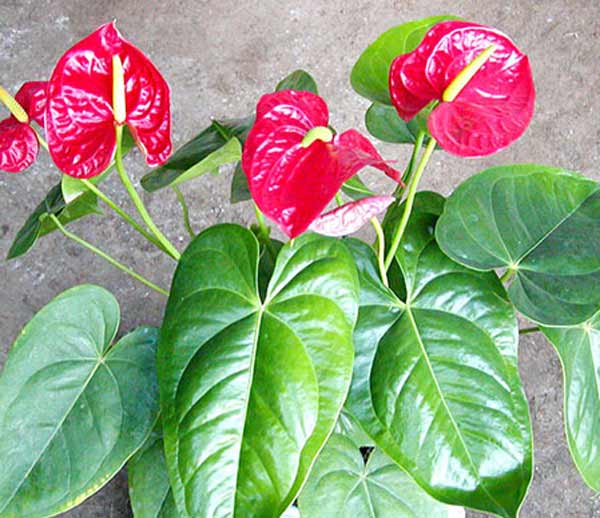
2. During acclimation, change the water frequently: every 3 days for the first half month, and once a week for the second half month. Each time you change the water, add nutrient solution once, and choose a nutrient solution specially made for hydroponic flowers. After one month, the anthurium will have grown new roots, and the newly grown roots will be relatively adapted to the aquatic environment. The leaves will begin to sprout new shoots.
3. Potting the anthurium for hydroponics. If you use a semi-transparent hydroponic pot, it will be somewhat easier. Carefully slip the anthurium roots into the hydroponic basket; river stones or expanded clay pebbles can be placed in the basket to fix the plant's position. Add water to about half or 2/3 full, so that the roots not submerged in water can still breathe from the air.
4. For an acclimated hydroponic anthurium, you can change the water according to actual conditions; when there are many impurities in the water, it should be changed. After a period of time, also wash the hydroponic pot. Nutrient solution should not be added too frequently, because it will cause eutrophication of the water, the microorganisms in the water will multiply faster, and the oxygen content of the water will drop sharply, which is not good for plant growth.
5. If you use a larger pot to grow anthurium hydroponically, you can also keep small fish in the water; the plant and fish benefit each other and form a scene together. It can be said to serve two purposes at once.
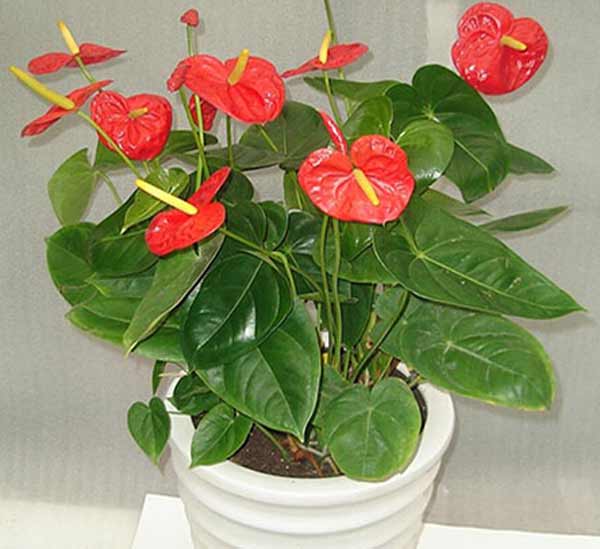
Points to note when growing anthurium in water
First, disinfect the anthurium's roots. You can use clear water (tap water left standing for 2 days) to rinse off the growing medium, then soak in a 1000-fold dilution of potassium permanganate for 30 minutes to disinfect; after washing clean, cut off old roots and residual roots, and remove the flowers.
Then, place the anthurium plant in a container, fill it with expanded clay pebbles, then dilute rooting powder according to the proportion, spray the pebbles damp, and be careful not to let too much water accumulate below; if there is too much water, just pour it out.
In routine management, pay attention to changing the water regularly. Generally, in spring and autumn, change the water once every 5-7 days; in winter, change it once every 7-10 days; in summer, when the temperature is high, change it once every 2-3 days. When changing the water, do not fill it too full; at least 1/2 of the plant's roots should be exposed above the water, so that the exposed part can absorb enough oxygen.
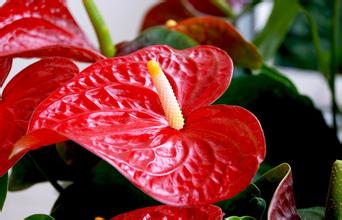
Anthurium likes warm, humid, shady environments. Normally it should be placed in a ventilated spot with scattered light. In summer, it is best not to let it exceed 28°C; in winter, if it drops below 14°C, cold damage will occur, so it must be kept warm. Relative humidity must not be lower than 80%, otherwise the edges of the leaves and the red spathe will dry up, so pay attention to spraying water to ensure air humidity.
To prevent root rot, you can appropriately increase the dissolved oxygen content in the water. The best way to increase oxygen in water is to make the water flow. You can hold the plant with one hand and shake the vase with the other; shaking for 1 minute can increase the dissolved oxygen content in the water by 30%; you can also drip a little hydrogen peroxide into the water; or first take out the anthurium and use an oxygen pump for fishkeeping to "reoxygenate" the water.
Use an oxygen pump for fishkeeping to "reoxygenate" the water.