How to Grow Croton? A Complete Guide to Cultivation Methods and Precautions
Croton, also known as garden croton, is a common ornamental plant in southern regions. It gets its name from the diverse colors of its leaves and is frequently seen in home decor. So how do you grow croton, and what are the cultivation methods for croton? Below we introduce how to grow croton and the cultivation methods for croton.
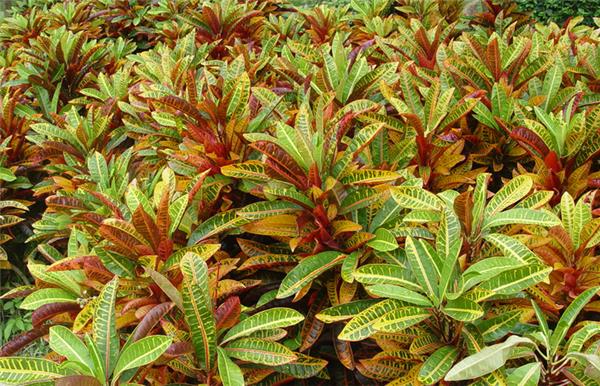
I. Cultivation Methods for Croton
Croton prefers a warm and humid climate, likes sunlight, and is not cold-tolerant. The indoor temperature in winter must not be lower than 15 degrees. It requires leaf mold soil with good drainage and water retention, and is not particular about soil acidity or alkalinity.
Croton is potted in leaf mold soil mixed with 1/3 peat soil, and repotted with fresh soil once every 2 years. In October it should be moved indoors to overwinter, and in spring it should be moved outdoors late. After being moved outdoors, spray water daily to increase air humidity, and in the rainy season move it to a spot with strong light. During the growing period, apply decomposed liquid fertilizer 3 to 4 times, and pay attention to spraying the leaf surface, keeping the air humidity constant. Maintain proper ventilation to prevent scale insects. The lower leaves of croton tend to drop easily; if watered in time and pruned appropriately, leaf drop can be prevented.
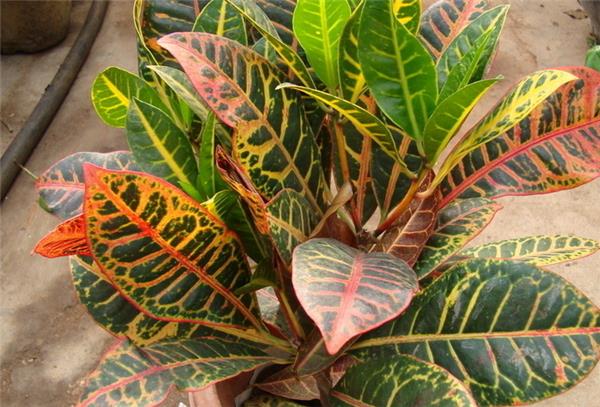
II. Precautions for Growing Croton
1. Croton is a light-loving plant and needs ample sunlight throughout its growing period. If croton receives insufficient light for a long time, the leaf markings and spots will become indistinct, the leaves will lack luster, the branches will become soft, and leaf drop may even occur.
2. Croton likes a humid climate and requires the relative air humidity of the growing environment to be 70-80%. If the relative air humidity is too low, the lower leaves of croton will turn yellow and drop, and the upper leaves will lose their luster.
3. In winter, when temperatures are low, the potting soil should be kept slightly dry. If croton is semi-dormant in winter and receives too much water, it will cause leaf drop, which must be strictly controlled.
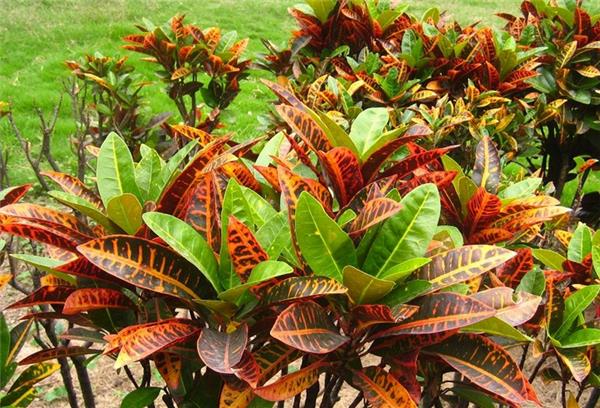
III. Cultivation Techniques for Croton
Croton plants are sensitive to low temperatures and frost. A low temperature of around 6°C lasting for several days or a single night of frost can kill the aboveground branches and leaves. Therefore, before the arrival of frost, they should be moved into a greenhouse in time for cultivation. The minimum temperature in the greenhouse should be kept at 15-20°C. In summer, place them in a well-ventilated spot and maintain a constant temperature. This is beneficial to their growth. They should not be kept indoors for long periods, because long-term insufficient light will cause the colorful markings or spots to fade and lose their luster. In the peak heat and strong light of midsummer, provide appropriate shade to avoid direct strong light scorching the leaves. For potting or repotting, use a soil mixture of dead soil, leaf mold soil and coarse sand, plus about 5% cake fertilizer, irrigation fertilizer or superphosphate. From May to August, the peak growing season, apply liquid fertilizer once every 15 days. After autumn begins, apply phosphorus and potassium fertilizer twice to enhance resistance. After winter begins, stop fertilizing. Keep the potting soil moist. When the air is dry, sprinkle water on the leaves. Use water at the same temperature as the room. When the main stem of a young plant grows slightly thicker, it can be cut back at ground level to sprout into a clump, making the potted plant more attractive. Each spring, carry out appropriate shaping and pruning, cutting off dense branches, diseased branches and dead branches.
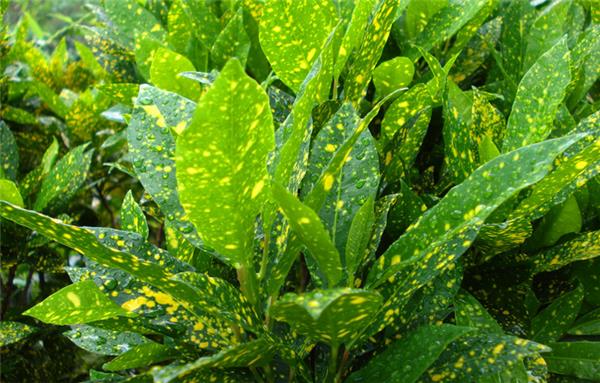
The above is a related introduction to how to grow croton and the cultivation methods for croton. We hope it will be helpful to everyone. Growing croton is not difficult. As long as you master the cultivation methods for croton and provide careful maintenance, you will certainly be able to grow croton with both beautiful form and color.