Detailed Guide to Growing and Caring for Living Stones
Living stones (Lithops) is the collective name for succulent plants of the genus Lithops in the family Aizoaceae, comprising about 80 original species as well as a large number of hybrids and horticultural varieties. Native to the arid regions of South Africa and southwestern Africa, they look adorable and resemble stones. So how should we grow them? Please join us as we take a look at their growing methods and key points to note!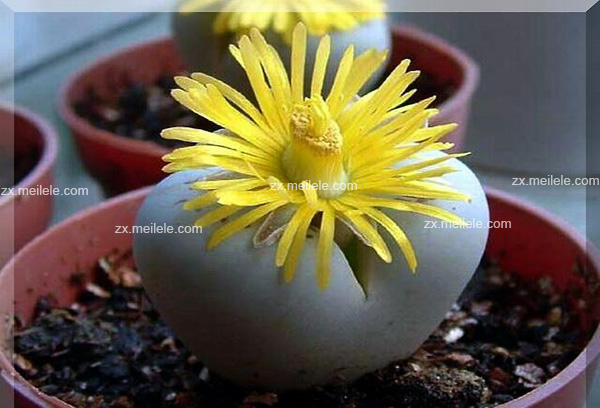
Growing methods:
Since living stones by nature prefer a cool, dry environment with plenty of sunlight, good ventilation is required. Living stones are drought-tolerant, intolerant of shade, and afraid of waterlogging and intense heat. They have the habit of "growing in the cool season and going dormant during the high temperatures of summer." So you can use vermiculite + peat soil.
Home growing: water the vermiculite thoroughly, plant them, and simply straighten out the roots.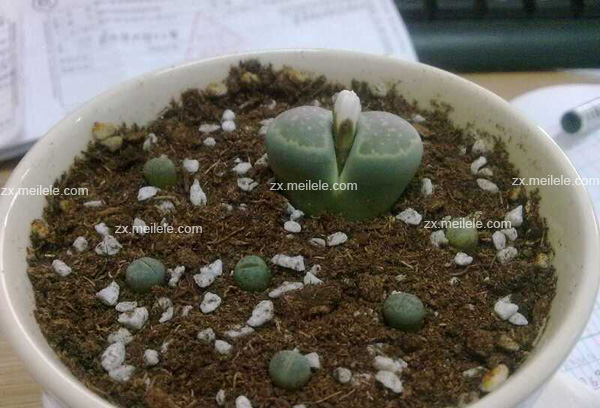
Key points to note when growing:
1. The growing season of living stones runs from September to April of the following year, during which they should be given plenty of sunlight. If light is insufficient, the plants will grow leggy, becoming thin and tall, which not only makes the plant shape unattractive but also affects flowering.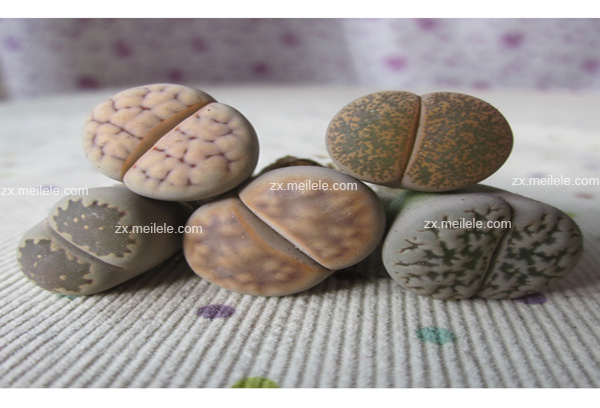
2. During the growing season, watering should follow the principle of "no watering until dry, and water thoroughly when you do." Rain exposure must be avoided at all times, and the soil must not become waterlogged, otherwise the plants will rot. In winter, control watering to let the plants go dormant; they can tolerate 5°C, and even short periods of 0°C. In summer, when temperatures are high, the plants enter dormancy and can be kept in a cool, well-ventilated spot, avoiding harsh sun exposure, and should not be watered too much; only when the soil becomes excessively dry should a small amount of water be given. Inexperienced beginners may even cut off water completely to prevent rot.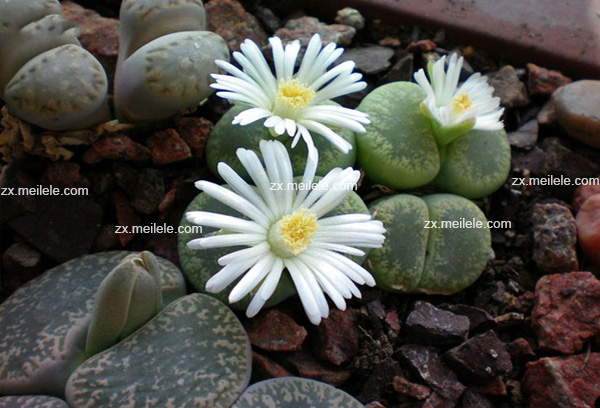
3. Repot with fresh soil every autumn. The potting soil can be leaf mold plus about 2/3 coarse sand, ideally vermiculite, mixed with a small amount of bone meal for best results.
Summary: Living stones are actually quite easy to grow. If you still don't know how to grow them at home, you can search for related information to help you better master growing techniques and make our flowers bloom even more beautifully.
[More information]
| How to Grow Mimosa Pudica | How to Grow Succulent Plants | Effects and Benefits of Jiaogulan | Effects and Benefits of Honeysuckle | Wisteria |
| Effects and Benefits of Osmanthus Tea | How to Grow Serissa japonica | How to Grow the Money Tree | Epiphyllum Images | Plant Images |
| Pelargonium | Lavender Blooming Season | How to Grow Azaleas and Key Points to Note | Chlorophytum comosum 'Variegatum' | What Does a White Rose Mean |