Practical Tips for Home Flower Growing and Daily Care
Hot summer is here again. In this weather, the most important things in growing flowers are choosing seeds and keeping them from getting moldy, applying fertilizer in the right amount so the plant roots do not burn, and doing a good job of cooling the plants down so the leaves and flower crowns do not turn yellow and dry out.
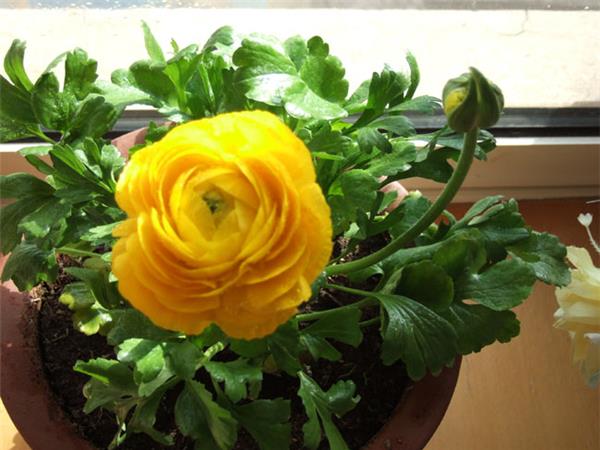
I. Tips for Identifying Home Flower Seeds
1. Visual inspection: judge the quality of the seeds. Look at how plump and uniform the seeds are, how many impurities and broken seeds there are, whether the color is normal, and whether there is any insect damage, fungal spotting or mold.
2. Smell test: use your nose to tell whether the seeds are moldy, spoiled or have an off odor. For example, sprouted seeds have a sweet smell, and moldy seeds have a sour or alcoholic smell.
3. Touch test: if you put your hand into the seed bag and it feels loose and smooth, with little resistance and a rustling sound, and when you grab a handful of seeds they easily slip through your fingers, then the moisture content is low.
4. Bite test: bite down gently with your teeth to cut a seed in half. If it takes effort, the sound is crisp, the cut face of a soft seed crumbles into powder, and the cut face of a hard seed is neat, then the moisture content is low.
5. Listening test: grab a handful of seeds and hold them tight, move your fingers, and listen for a rustling sound; for varieties that still have their fruit coat, pick them up and shake them or toss them and listen. Generally, the louder the sound, the lower the moisture content.
6. When buying seeds, choose seeds produced and sold by reputable seed companies, and ask for the purchase receipt, product instructions and seed label when buying.
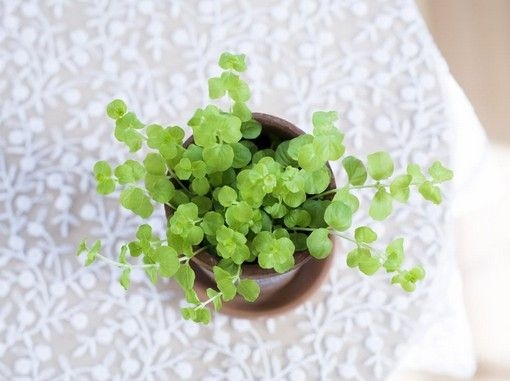
II. Tips for Fertilizing Home Flowers
1. Crushed eggshell fertilizer: crush eggshells and bury them in the flower pot. This is a very good fertilizer and can make potted flowers grow lushly with abundant leaves and bright blooms.
2. Maifan stone fertilizer: sprinkle a layer of maifan stone granules in the flower pot. This can promote flower growth and extend the blooming period.
3. Fruit peel to neutralize alkaline potting soil: to neutralize alkaline soil with fruit peel, soak peeled apple skins and apple cores in cold water, then use this water often to water the pot. This can gradually reduce the alkalinity of the potting soil and help some plants grow.
4. Collecting organic fertilizer for potted flowers: for home flower growing it is best not to use chemical fertilizers often. The main fertilizers needed for growing flowers, such as nitrogen, phosphorus and potassium, can all be collected in daily life. For example: moldy peanuts, beans, melon seeds and miscellaneous grains that can no longer be eaten are all nitrogen-containing fertilizers. After fermentation they can be used as a base fertilizer, or soaked into a solution and used as a top dressing, and both can promote vigorous growth of flowers and trees. Mix these waste materials into the potting soil, add some water, put them in a plastic bag and place it in a corner. After a period of decomposition, they will turn into excellent organic fertilizer.
In early spring, when all kinds of flowers are about to enter their vigorous growing season, you can spray 1 to 3 times with 1% Bordeaux mixture on the leaf surface or the underside of the leaves to prevent disease.
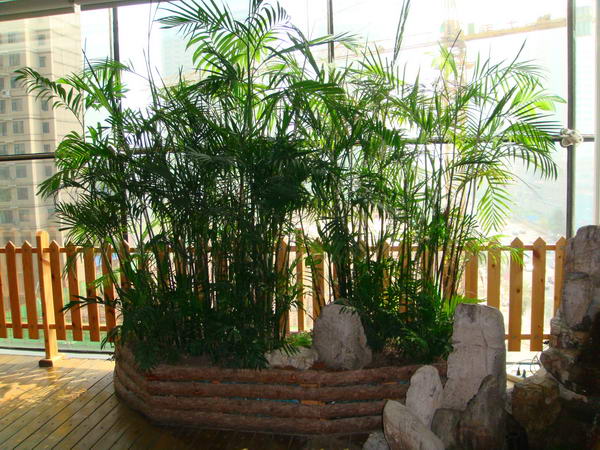
III. Tips for Protecting Home Flowers from High Temperatures
1. Do a good job of shading from strong light. Flowers that fear both high temperatures and strong light, such as fuchsia, cyclamen and orchids, should be given proper shade or kept under a shade.
2. Keep them out of the rain in time. Summer has a lot of rain, and it is fairly heavy and lasts a long time. The sharp drop in temperature after rainfall easily damages the root hairs. Waterlogging after rain blocks the respiration of the roots, which then causes root rot. Therefore, all flowers that are weak or semi-dormant in midsummer should be placed in a rain-sheltered spot or properly covered, and standing water should be drained away promptly.
3. During continuous hot days, you also need to water appropriately, spray the leaves with water, and spray water around the plants to cool them down, creating a cool and humid microclimate for them. However, when watering or sprinkling water, avoid the hot midday hours.
4. For potted plants placed indoors, you also need to pay attention to ventilation. Poor ventilation blocks respiration, affects the normal growth of the flowers, and may even cause them to gradually die. So you can open the windows at night for the potted flowers or place them outdoors for ventilation.
5. For flowers with dense branches and leaves, proper pruning is also needed.
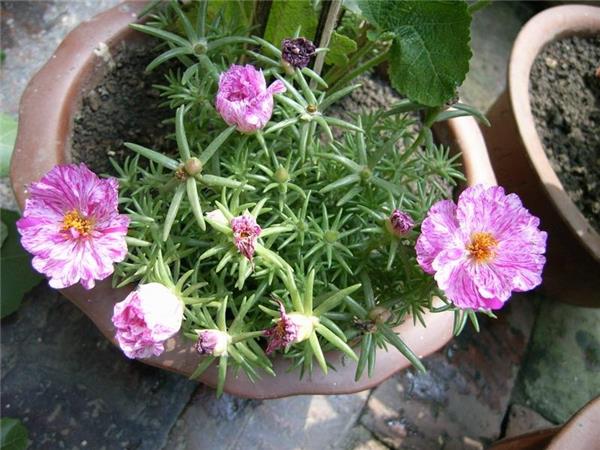
Once you have mastered these little tips introduced above, I believe they will certainly boost your confidence in growing a healthy green plant. In fact, growing flowers is always the same: the most important things are to be careful and attentive and to adapt flexibly, and to be good at finding joy in growing flowers. That way you can easily grow a beautiful pot of flowers.