How to Grow Fragrant Wood (Pistacia weinmannifolia) at Home and an Analysis of Why Its Leaves Turn Yellow
But what habits does fragrant wood (Pistacia weinmannifolia) have, and how should it be grown? In the process of growing fragrant wood, you may run into many problems, for example: why do the leaves of fragrant wood turn yellow?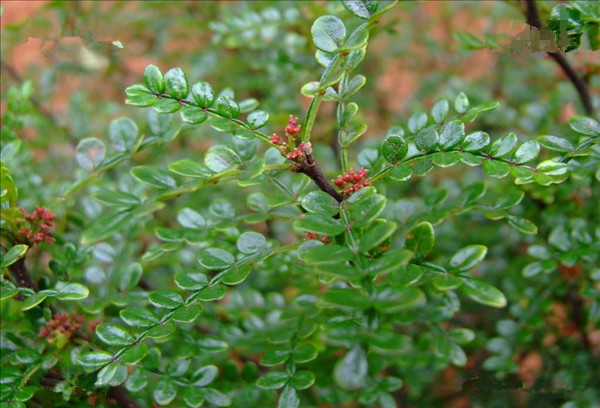
How to grow fragrant wood (Pistacia weinmannifolia) at home:
I. Points to note for seedlings
1. Fragrant wood seedlings are afraid of waterlogging, so do not water too frequently, and use loose soil that does not easily hold standing water.
2. Seedlings are afraid of shade, so they must be placed in a spot with plenty of sunlight, avoiding harsh sun exposure, and their need for sunlight should be met as much as possible; do a good job of frost protection in winter. Increase ventilation and airflow around the seedlings.
4) Seedlings have low fertilizer requirements; fertilizer should be applied thinly, as too much will burn the seedlings or cause leggy growth.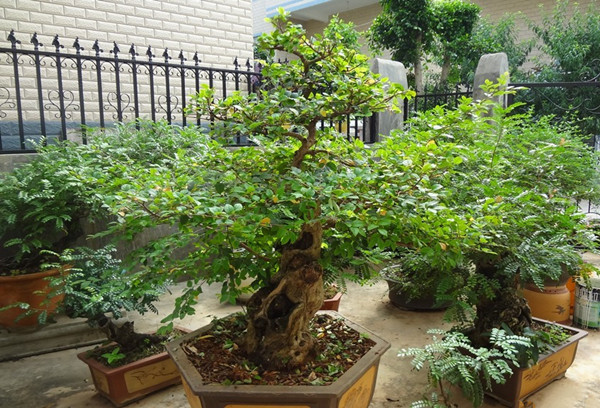
II. Soil and watering
Fragrant wood requires loose, fertile, well-drained soil. Although it is not strict about soil, being able to tolerate drought and poor, thin soil, it can adapt to slightly acidic, neutral and slightly alkaline sandy and clayey soils.
The potting soil used in different places varies, but loose, fertile, well-drained soil is best, so when cultivating fragrant wood, the soil can be prepared by mixing loam, leaf mould and peat soil in a 1:1:1 ratio.
As for watering, wait until the soil in the pot has dried out completely before watering, once every 3-5 days, and each time let the water soak through the soil. The amount of water also varies with the season; from late spring to autumn each year the watering volume is greatest; in winter, when temperatures drop and water evaporation decreases, the amount of water is reduced accordingly.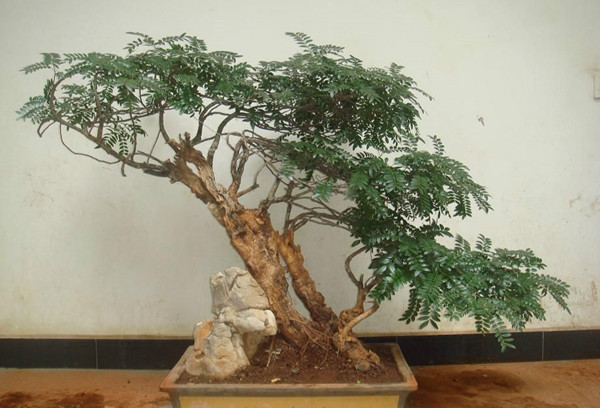
III. Sunlight
Fragrant wood is a plant that likes half shade and half sun, so it can be given sun every day, but not prolonged harsh sun exposure. Generally, placing it on a balcony or in a sunny spot indoors is enough. At the same time, fragrant wood can go several days without sun and it is not a big problem.
IV. Temperature and wind
Although fragrant wood can withstand low temperatures of minus 10°C, as its owner you should still protect your fragrant wood. In winter, as long as it is kept indoors, there is no problem.
Fragrant wood cannot withstand strong wind; if it is windy, the leaves of fragrant wood will drop, so if it gets windy, hurry and move it back indoors.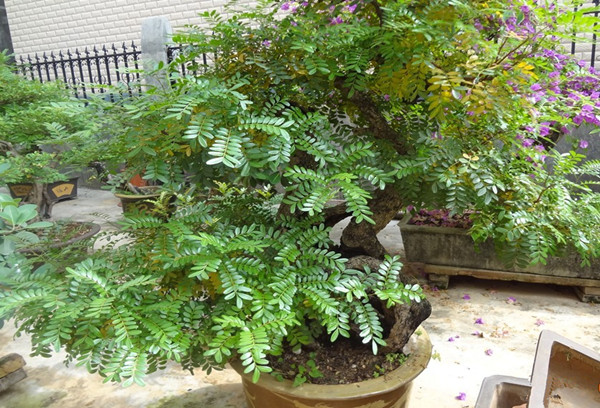
As for the reasons fragrant wood leaves turn yellow, generally speaking there are only two: one is watering too much, which damages the root system of the fragrant wood; the other is not enough sunlight.
Summary: the above are the growing methods for fragrant wood. I hope they can be of help to friends who like growing fragrant wood, or to friends who are running into problems right now.
Related links
| Cuban oregano | Marigold growing | How to care for the happy tree (Radermachera sinica) | The effects of golden pothos | How to grow cactus | Bowl lotus |
| How to grow gardenia | How to grow Christmas cactus | Growing azaleas | How to grow clivia | The effects of lavender |