How to grow anthurium to avoid yellowing leaves
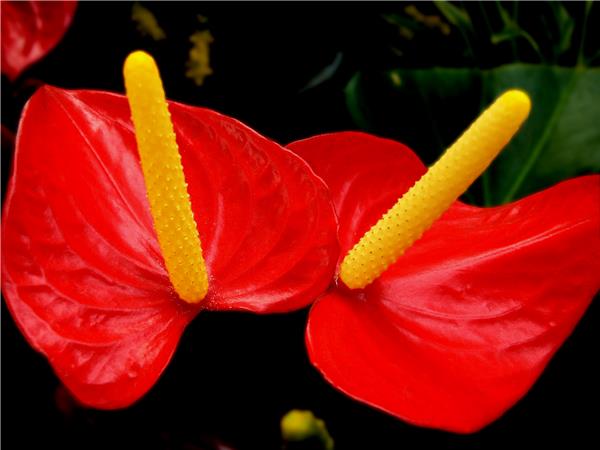
Anthurium is a flower with unique ornamental value. Its flower has only one petal, but a well-grown anthurium can still give a very full and bright impression, not inferior at all to those plants with layer upon layer of petals.
I. Growth habits of anthurium
Anthurium is a tropical flower that prefers shade and dislikes direct sun, prefers moisture and dislikes drought, and likes high temperatures while fearing cold. When caring for it at home, pay attention according to its habits: do not expose it to strong sun, but do not place it in a dim indoor spot for a long time either. It should be placed in a spot with bright indirect light, receiving some sunlight in the morning and evening. Generally, the growing medium for anthurium is peat, which is loose and airy. When the temperature is suitable, the potting soil should be kept moist, or water should be sprayed on the leaves regularly to increase air humidity. The weather is turning cooler now. If the temperature cannot be kept above 12 degrees in winter, watering should be controlled to improve the cold resistance of the anthurium. The lowest temperature must not be below 8 degrees, otherwise it is very easy for the plant to be damaged by cold.
II. Notes on growing anthurium
1. Humidity: Normal growth of anthurium requires air humidity of about 70%, which is generally hard to achieve in ordinary home growing. You can use a clean damp towel to wipe the leaves moist several times a day, or spray water around the plant regularly to increase air humidity.
2. Water and fertilizer: Under normal growth conditions, water the growing soil by letting it dry and become wet alternately each week. In spring, autumn and winter, the frequency and amount of watering can be reduced appropriately. Every half month, apply a 7-8% special nutrient solution or fertilizer water diluted 500 times along with watering.
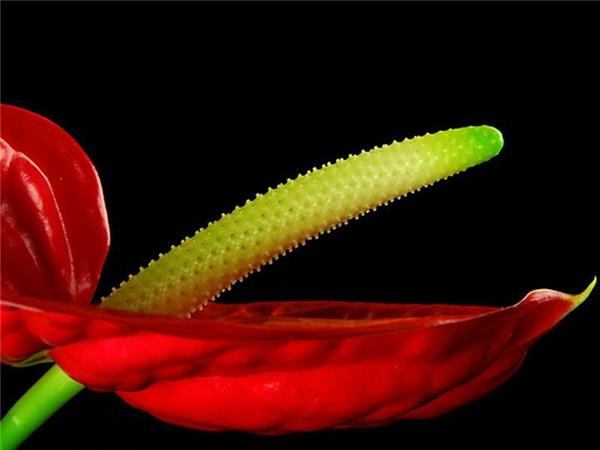
3. Pruning: During the growth of anthurium, the petioles at the base gradually degenerate. When the stipules become dry, they can be cut off in time. After flowering, when the flower stalk turns yellow, it must also be cut off as soon as possible from the base, leaving a 2 cm protective stub.
4. Temperature: When growing anthurium at home, keep the temperature as stable as possible. The optimum growing temperature for anthurium is 16-24°C, and the lowest temperature should be kept above 12°C. However, do not place the pot on a radiator or too close to one. When the summer temperature exceeds 30°C, move the plant to a ventilated room on the relatively north side, and spray water around the plant to cool it down.
5. Light: Normal growth of anthurium requires sufficient bright indirect light. For home growing, generally note the following: in summer, avoid strong direct light on the leaves and flowers; in autumn and winter, when conditions permit, move it near a window to increase light exposure. The plant also needs to be rotated regularly to ensure it receives even light and to promote a full, rounded crown shape.
III. What to do when anthurium leaves turn yellow
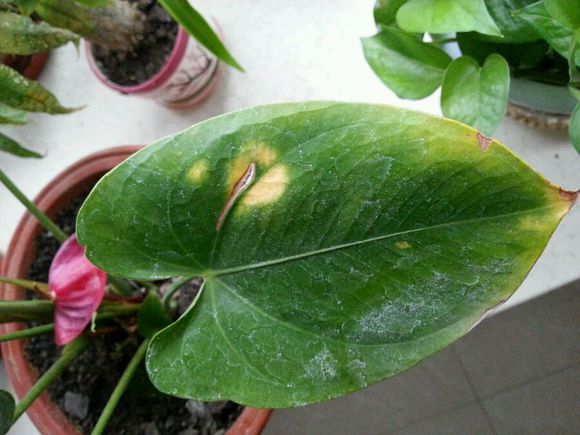
1. Unsuitable soil: In most areas of the north, the medium and water contain more salt and alkali. Because the medium lacks the soluble iron that the plant needs to absorb, the leaves will gradually lose green and turn yellow. Solution: treat the medium and watering water with oxalic acid and the like.
2. Overwatering: Watering too much will keep the medium in the pot too wet for a long time, causing some fibrous roots to rot, hindering normal respiration and nutrient absorption, and causing the leaves to gradually turn yellow and fall off. Solution: water normally.
3. Dry air: In winter, when the indoor air for growing flowers is too dry, symptoms such as dry, yellow leaf tips or scorched leaf edges often appear. Solution: according to the growth characteristics of anthurium, appropriately increase air humidity.
4. Excessive shading: If anthurium is placed in a spot with insufficient light for a long time, its growth will weaken and the leaves will become thin and yellow. Solution: according to the growth characteristics of anthurium, appropriately increase light intensity.
5. Unsuitable temperature: If the indoor temperature is too low in winter, the leaves will turn yellow; if the room temperature is too high, the plant will transpire excessively, which will also make the leaves turn yellow. Solution: keep the greenhouse temperature relatively stable.
6. Uneven fertilization: Excessive fertilization can also cause new leaves to become thick and fleshy, and old leaves to have dry tips and to turn scorched yellow and fall off. Solution: at this point, stop fertilizing immediately, replace with new growing soil, and carry out normal care.
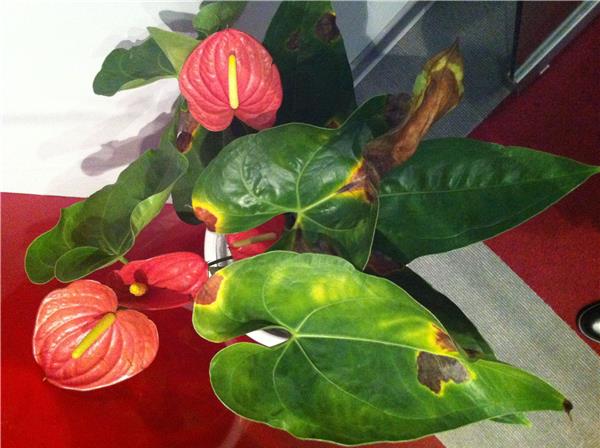
All the conditions plants need to pay attention to are nothing more than factors such as soil, water, light, warmth, fertilizer and disease. Generally speaking, as long as you are careful in these aspects, all plants can be grown well, and anthurium is no exception.