What to Do When a Ginseng Ficus Loses Its Leaves? Teach You the Correct Way to Grow It
What to do when a ginseng ficus loses its leaves? Ginseng ficus mostly grows in the humid, rainy tropical rainforest regions with high temperatures and abundant rainfall. The most suitable growing temperature for a ginseng ficus should not vary too much between day and night; if the temperature difference reaches 10 degrees, it easily drops its leaves and eventually dies. Therefore, when caring for it normally, pay attention to placing it in a place with good light transmission, and in summer be sure to provide appropriate shade. How do you grow a ginseng ficus well?
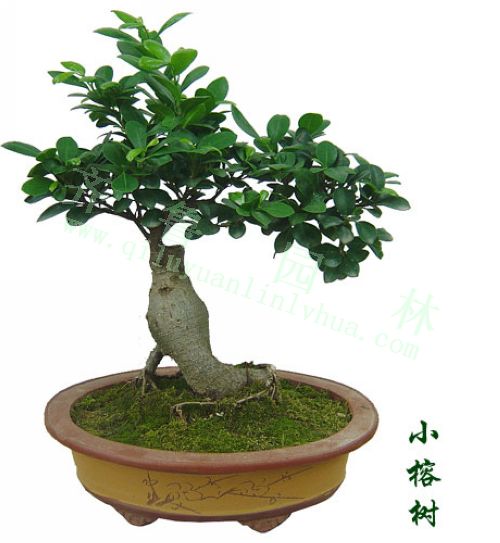
What to Do When a Ginseng Ficus Loses Its Leaves
1. Improper watering: When watering a ficus, you must stick to the principle of not watering until dry, and watering thoroughly when you do. The dryness here refers to the surface of the potting soil being dry, not the potting soil being completely dry. Of course, even if it is completely dry, it will not cause great harm to the ficus in a short time, because the ficus leaves are thick and small and have a certain drought tolerance.
2. Improper fertilizing: Fertilizing a ficus should be done with the method of light fertilizer applied frequently. Avoid using high-concentration chemical fertilizers or organic fertilizers that have not been fermented and decomposed, otherwise fertilizer damage will occur, with leaf drop in mild cases and death in severe cases.
3. Insufficient light: A ficus grows well in an environment with sufficient light. In the high-temperature period of summer, if it can be shaded by 30-50%, the leaf color will appear even more emerald green, but when the temperature is below 32°C, it is best not to shade it, so as to avoid leaf drop.
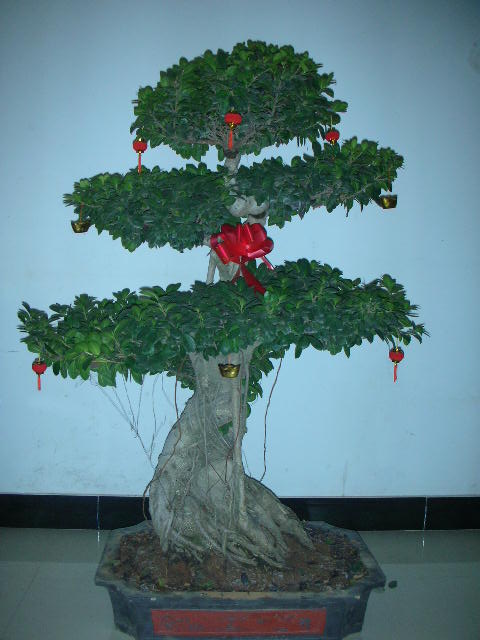
4. Caused by pests: The main pests that cause leaf drop in ficus are red spider mites and scale insects. Although there is also damage from "thrips," this pest only curls leaves and sucks sap, so its harmfulness is somewhat smaller than the above two, and thrips are also easy to control; you only need to remove and destroy the curled leaves. Red spider mites are relatively small, and the usual damaged area is the back of the leaves. They are caused by poor ventilation and dry air. You can rinse the whole plant with plenty of water and then spray with acaricides, such as manjing and kemam. Scale insects mostly damage the stems, leaf stalks, and other areas. They vary in size and color, and in shape are round, oval, and so on. They generally do not move, but they are quite harmful and need timely control. You can brush them off with a toothbrush or wipe them clean with a rag. You can also spray a 0.2% solution of laundry detergent or essential balm for control, or spray pesticides such as methidathion for control; all have good effects.
Growing Methods
When watering a ginseng ficus, you should water when dry and stop when wet, and the potting soil is best kept constantly moist. In summer, place it in a cool place. Fertilizing it should also be based on its growth condition. Generally, during its peak growing season, you can apply a sufficient amount of fully decomposed, diluted soybean cake water and the like once about every other month each year. In winter, be careful to protect it from freezing, and in summer also protect it from direct sun exposure. It is best to pay attention to pest and disease removal all year round.
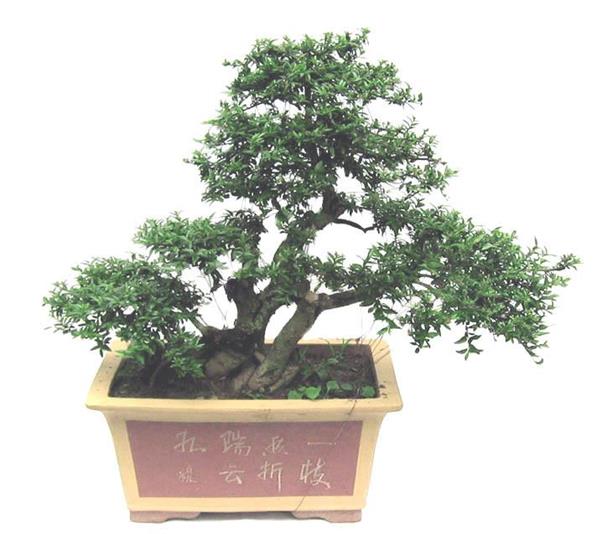
The roots of the ginseng ficus look just like ginseng, so when we plant it, exposing its roots above the soil looks very attractive. Of course, we can also use it to graft different varieties of ficus, and it is even the best gift for birthday congratulations. As for soil, river sand or sandy soil is best for cultivating it. In order to make its roots large and fat, we can add a little fertilizer for it.
How to Grow It as a Bonsai
Temperature: The most suitable temperature for its growth is between 18-33 degrees, and in winter its temperature must not be lower than 10 degrees. Once it falls below 6 degrees, it will very easily suffer cold damage.
Light: The ginseng ficus likes a moist and warm environment. In spring and autumn, we can place it in a spot with appropriate light, letting it fully receive sunlight. In summer, however, it must be placed in a spot without direct sunlight.
Watering: When watering it, follow the principle of alternating dry and wet. Its potting soil is best kept constantly moist.
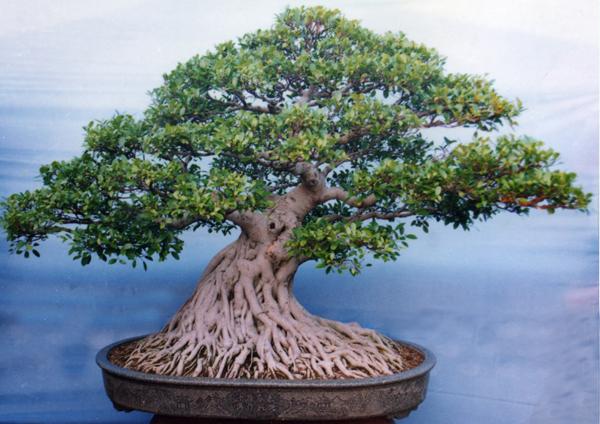
Fertilizing: During the growing season, the ginseng ficus can normally be fertilized once every month, mainly with phosphorus and potassium fertilizers, and it is best to bury them shallowly near the plant's roots.
Repotting: It is best to repot and change the soil once every year in spring, and it is best to add base fertilizer at that time, as this will be even more beneficial to its growth the following year.