Bougainvillea dropping leaves? A complete guide to care methods
Bougainvillea loves warmth and ample sunlight, is not cold-tolerant, and dislikes waterlogging. It grows best in fertile, loose, well-drained sandy soil; in heavy clay, alkaline, low-lying, easily waterlogged soil it not only grows poorly but also easily rots at the roots and dies. The growing mix should be prepared with 4 parts leaf mold, 2 parts garden soil, 1 part decomposed manure, 1 part sawdust, and 2 parts river sand; when potting, also mix in 30 grams of decomposed cake fertilizer as a base fertilizer. So what should you do when bougainvillea drops leaves? And how do you grow bougainvillea?
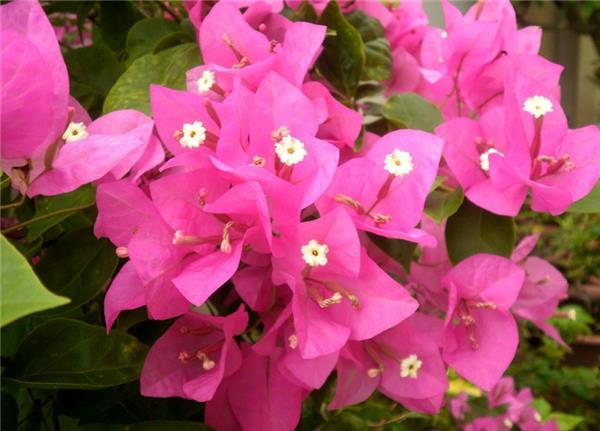
What to do when bougainvillea drops leaves
(1) Bougainvillea is a strongly sun-loving plant that thrives in full sunlight. If it is placed in a shaded environment, it easily drops its leaves.
(2) In hot seasons, insufficient water supply, or in winter, excessive watering, both easily cause leaf drop. Therefore, watering should be done as appropriately as possible.
(3) Bougainvillea likes a warm, humid climate, and its optimum growing temperature is between 20°C and 30°C. If the winter room temperature falls below 12°C or fluctuates up and down, some leaves also easily fall off.
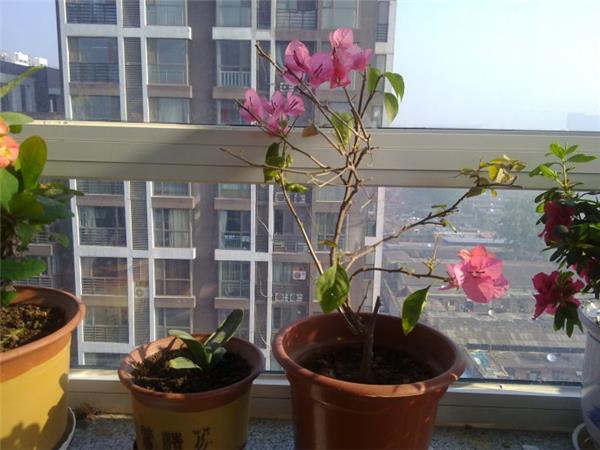
(4) Applying undecomposed organic fertilizer or liquid fertilizer that is too concentrated easily damages the roots, causing the leaves to scorch and drop, and even the whole plant to die. Therefore, fully decomposed fertilizer must be used, and the method of "light fertilizer applied frequently" should be adopted.
How to grow bougainvillea
Bougainvillea needs a certain amount of nutrients, and during the growing season appropriate fertilization is required to meet its growth needs. The fertilizer should be decomposed, and fertilization should be applied in small amounts many times, with a dilute concentration; otherwise, it easily damages the root system and affects growth. Starting in May, apply a 10%-15% cake fertilizer solution once every half month to promote the growth of spring shoots; in the high-temperature season of July to August, to meet its growth needs, apply a 10% cake fertilizer solution with a small amount of superphosphate or a small amount of compound fertilizer solution once every 15-20 days; after September, apply less nitrogen fertilizer, and you can use burnt mud ash and a small amount of superphosphate to promote the bougainvillea's bracts to open in a bright red and beautiful color.
Bougainvillea needs less water than other flowers; during the growing season, it is enough that the potting soil is neither dry nor wet. Before new branches grow, cut off short branches, dense branches, weak branches, and the top shoots, and shorten the horizontal branches to encourage more flowering mother branches to sprout from the base, ensuring vigorous flowering. Before flowering, carry out intermittent water withholding, and according to the sunny or cloudy weather and the dry or humid air, carry out intermittent water withholding to promote flowering.
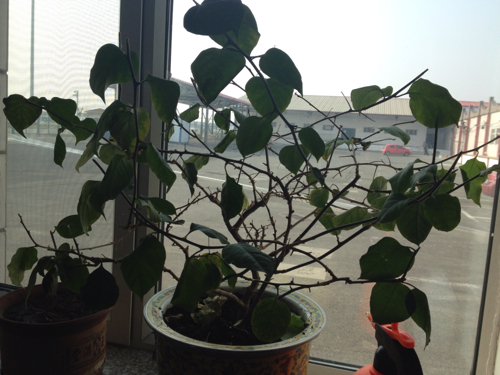
You can go 10-12 days without watering, and observe the soil; when the soil is dry and whitish, the branches lose water and droop slightly, and the leaves are somewhat yellow and withered, water a little, then continue withholding water; repeat this 2-3 times to stop its top growth, concentrate nutrients, and promote flower bud differentiation; when a red flush appears at the tips of the branches, water thoroughly again, apply calcium phosphate once every two weeks, and in 40-50 days it will enter full bloom.
Notes on bougainvillea
1. During the growing season of bougainvillea, keep the temperature appropriately controlled; generally in winter it should be kept above 5°C, and at the lowest it must not fall below 3°C.
2. It relatively loves sunlight, but in summer it should be given appropriate shading, and in winter it should be ensured 8 hours of light.
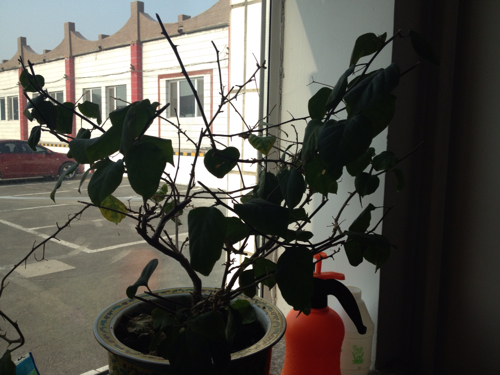
3. In terms of soil choice, choose relatively fertile, loose soil with strong drainage.
4. Watering should be moderate; in the plum rain season, ensure a certain degree of drainage, otherwise root rot will occur.
5. Before flowering, you can appropriately repot and change the soil, and at the same time carry out appropriate pruning.